 Lorraine Williamson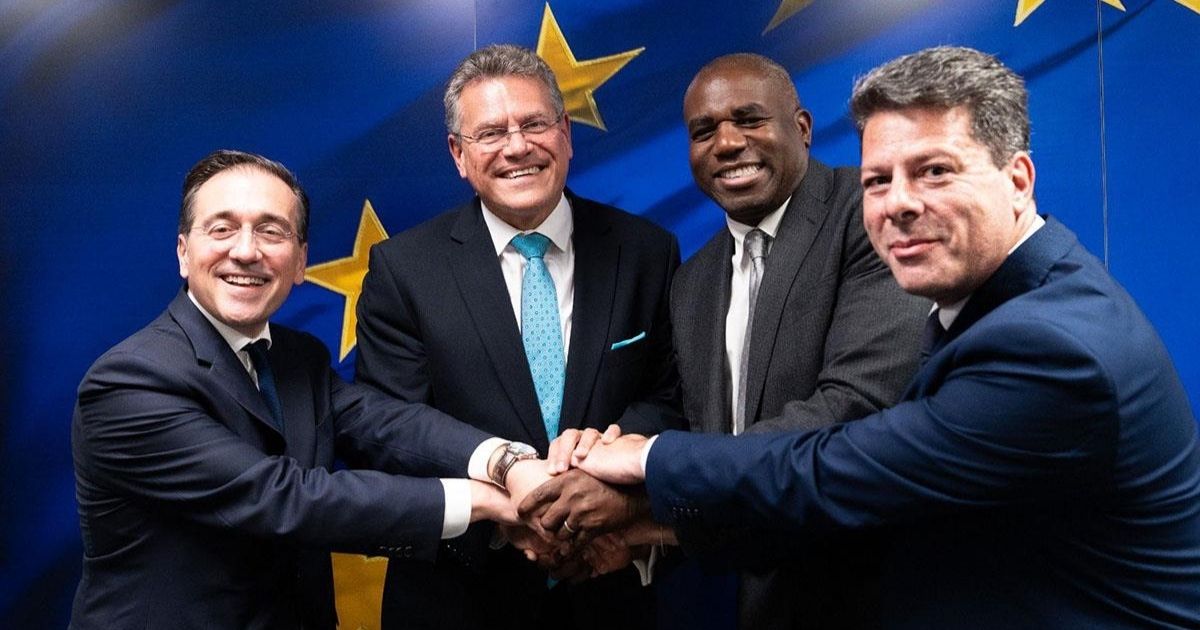
For years, Gibraltar has been one of Brexit’s last unresolved problems. What is new now is not the original political agreement reached in 2025, but the publication of the draft treaty text itself. That matters because the legal detail now shows more clearly how the proposed post-Brexit arrangement would work on the ground, from border checks to the movement of workers and goods.
If ratified and applied as planned, the agreement between the EU and the UK over Gibraltar would remove the physical frontier barriers with Spain, protect the flow of people and goods, and spare La Línea and the surrounding Campo de Gibraltar the kind of hard border many feared once the EU’s Entry/Exit System comes into force. The European Commission says the aim is to secure the future prosperity of the whole region while protecting Schengen, the single market, and the customs union.
Why this is back in the news now
The key point for readers is timing. Spain, the UK, and Gibraltar already announced a political breakthrough in June 2025. What has happened today, is the publication of the draft treaty text, allowing governments and parliaments to examine the actual wording of the proposed deal. The UK government said the text was published on Thursday and presented as a measure to secure Gibraltar’s economic future while protecting British sovereignty.
This marks the move from political promise to legal text, and that shift often reveals how ambitious agreements will work in reality.
What would actually change at the border?
The most visible change would be at the frontier itself. Under the framework agreed by Spain, the UK, the EU, and Gibraltar, checks on people would no longer take place at the current land crossing in the same way. Instead, the relevant Schengen checks would move to Gibraltar’s port and airport, with Spain carrying out those controls on the EU side and Gibraltar authorities continuing their own checks on the British side.
For people in La Línea and Gibraltar, that is the heart of the deal. The question is not only diplomatic. It is whether the border becomes easier to live with.
Why southern Spain has so much at stake
This is one of those international agreements whose real meaning is local. The UK government says around 15,000 people cross the land frontier every day, and many of them depend on that route for work. A harder post-Brexit border would have hit not only Gibraltar but also nearby Spanish communities whose economies are closely tied to that daily movement.
That is why the treaty matters beyond constitutional arguments. In practical terms, it is about jobs, commuting times, deliveries, airport access, and the wider economy of La Línea and the Campo de Gibraltar.
Goods, business, and the economic logic of the deal
The agreement is also meant to make trade smoother. Alongside the movement of people, it sets out arrangements designed to remove checks on goods and create closer customs cooperation between Gibraltar and the EU. The broader goal is to prevent Brexit from turning this small but economically linked area into a bottleneck.
Gibraltar’s government has said this legal clarity is badly needed and that local business organisations support the publication and implementation of the treaty. It has also linked the timetable to the arrival of the EU’s new Entry/Exit System, which could otherwise have caused serious disruption at the frontier.
Sovereignty remains politically sensitive
The deal may be practical in its effects, but it remains politically delicate. Both Spain and the UK insist their legal positions on sovereignty remain unchanged. That balancing act has been central throughout the talks and remains essential to selling the agreement domestically on both sides.
Spanish Foreign Minister José Manuel Albares has now asked to appear before Congress to explain the treaty. Meanwhile, El País reports that the text has also been shared with Andalucian and local authorities. In the UK, political scrutiny is also expected as Westminster examines the terms.
From diplomatic text to daily reality
The draft treaty is not the final chapter yet. It still has to move through the relevant approval stages. But the publication of the text is a major step because it shows that the Gibraltar question has moved beyond vague assurances and into concrete legal proposals.
For people who live and work around the border, that is what matters most. This story is no longer only about who won a diplomatic argument. It is about whether La Línea, Gibraltar, and the wider surrounding area are finally heading towards a more stable, less disruptive post-Brexit future.