 Lorraine Williamson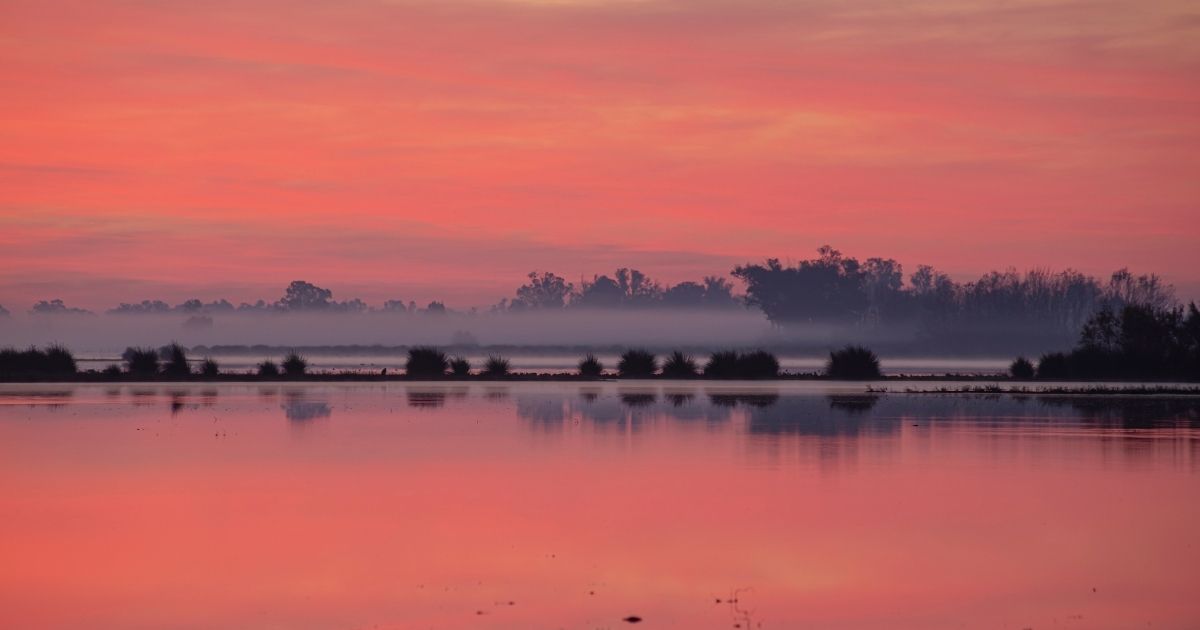
Satellite imagery is offering an increasingly stark view of what is happening inside Doñana National Park. New research suggests its vast marshlands are not just shrinking, but doing so faster than scientists previously believed.
A study led by researchers at the University of Seville indicates that large parts of the marisma — one of Europe’s most important wetland ecosystems — could disappear within the lifetime of today’s children unless water use and climate pressures are urgently addressed.
A European wetland under strain
Stretching across parts of Huelva and Seville, Doñana’s marshes play a vital role in the survival of thousands of migratory birds. Each year, species from across Europe and Africa rely on its shallow waters to feed, breed or overwinter. Its global importance is reflected in its UNESCO World Heritage status.
Yet despite this protection, the wetland has been steadily losing water. What is new is the level of precision now revealing how quickly that loss is unfolding.
What the satellites are showing
Using high-resolution data from the Sentinel-2 satellite programme, the research team analysed changes in surface water and soil moisture across nearly two decades, from 2005 to 2024. Advanced AI-based algorithms allowed them to detect even subtle shifts in wet ground and water depth.
The findings are troubling. Around 15% of Doñana’s wet ground has already vanished since 2005, with most of that loss occurring after 2010. Water depth has fallen, flooded areas have shrunk, and seasonal marshes are failing to refill as they once did.
Rising temperatures and prolonged drought years clearly play a role. However, the study also points to sustained groundwater extraction — much of it illegal — as a major accelerant.
A shrinking timeline
Based on current trends, the researchers estimate that Doñana’s marshlands could largely dry out within about 61 years. Under more extreme climate scenarios, that timeline shortens dramatically, potentially falling to just 45 years. Only under far more favourable conditions — cooler temperatures, higher rainfall and stricter water controls — could the wetlands survive well into the next century.
The message is clear. Time still exists, but the window is narrowing.
What could still make a difference?
The researchers stress that collapse is not inevitable. Closing illegal wells and enforcing groundwater controls would deliver immediate gains. Changes to surrounding agricultural practices are also critical, particularly a shift away from water-intensive crops and inefficient irrigation systems.
Restoration work could help stabilise damaged zones, reconnecting surface water with depleted aquifers and reintroducing vegetation that helps retain moisture. The study also highlights the potential role of treated wastewater as a supplementary water source for both farming and ecological recovery.
A wider warning for Spain
Doñana is not an isolated case. Across southern Spain, wetlands are under growing pressure from climate change, water scarcity and land use demands. What makes Doñana different is the clarity of the evidence now emerging.
Satellite monitoring is removing any doubt about what is happening on the ground. Whether this iconic landscape survives will depend on political will, enforcement, and how seriously water scarcity is treated in the years ahead.
Source: Europa Press