 Lorraine Williamson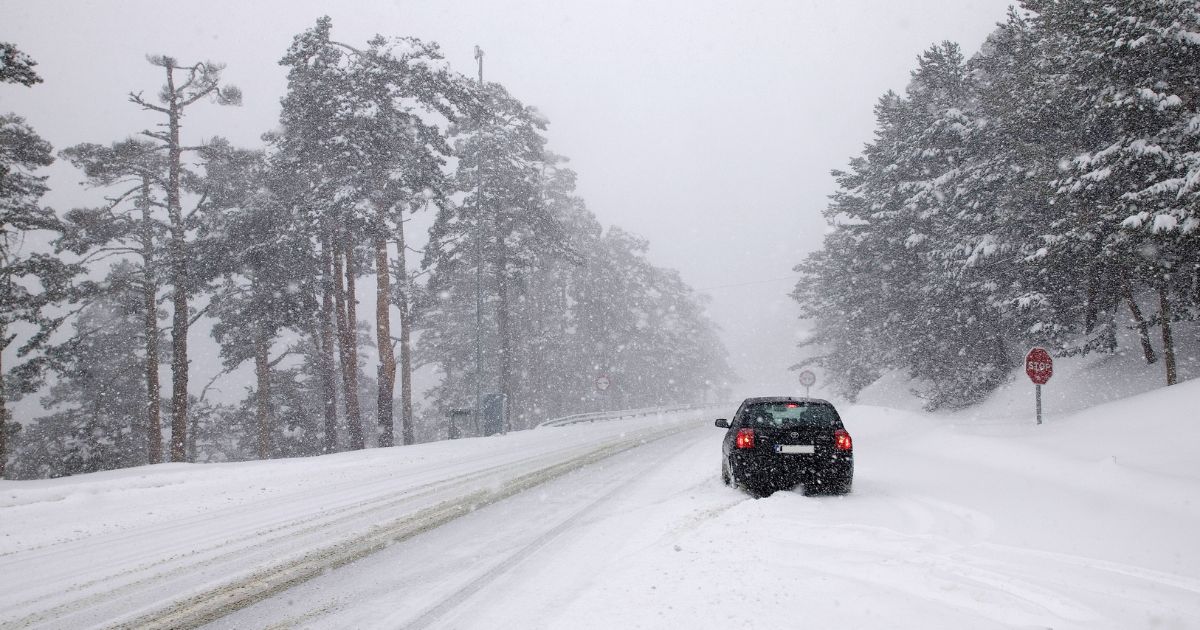
Sunday’s red-alert rain on the Costa del Sol is only part of the story. As Spain heads into Three Kings Eve, the Dirección General de Tráfico (DGT) is warning that a sharp drop in temperatures could turn many journeys into slow, disrupted drives overnight and into Monday.
This DGT snow travel advice was issued ahead of a busy return weekend, with Storm Francis and an Arctic air mass set to lower the snowline and complicate road conditions.
The timing matters. Sunday afternoon into early Monday is when snowfall is expected to intensify in several areas, precisely as many people travel back from weekend trips and as families move around for Reyes plans.
Where conditions could deteriorate fastest
AEMET’s special advisory points to a volatile mix: heavier rain in parts of the south and east, while snow spreads across northern ranges and then drops to lower elevations in the centre and east from Sunday onwards.
The DGT flagged the Cantabrian range early in the episode, with snow affecting routes that include the A-67 corridor between Palencia and Cantabria. As Sunday turns into Monday, forecasts also allow for snow reaching low levels in parts of the centre and east, including the Madrid area and the Henares corridor in the early hours.
The main corridors the DGT is watching
Rather than focusing only on small mountain roads, the DGT warns that high-capacity routes could also be hit. These are among the key corridors highlighted:
-
Northwest / Cantabrian access: A-66/AP-66, A-67
-
Madrid links north and northeast: A-1, A-2, A-15
-
Aragón / Ebro and Catalonia connections: A-23, AP-2/A-2, AP-7 (Tarragona area)
-
Castilla y León / Sierra routes: AP-6, A-61, A-51
-
Valencian interior access: A-3
The practical advice that makes the biggest difference
If you have to drive through areas with snow in the forecast, the DGT’s message is straightforward:
Check the weather and the road status before you leave, and be prepared to change plans. Carry chains or use winter/all-season tyres if you may hit snow, and follow instructions on the road and from Guardia Civil traffic officers.
If snow starts falling while you’re already on the motorway, the DGT also asks drivers to keep the left lane clear, so gritting and snowplough vehicles can get through. It’s a small behaviour change that can prevent long standstills.
What the “snow colours” mean on Spanish roads
Spain often uses a colour-coded system to show how difficult conditions are. In simple terms, it runs from green (snow beginning, caution) through yellow (restrictions begin), red (travel becomes difficult and restrictions tighten), to black (road closed). Watch for the colour status on official updates and roadside signage.
Where to get live updates tonight and on Monday
The DGT recommends sticking to official channels for real-time changes, including its traffic updates page, the 011 phone line, and its social accounts. The same live data is also available through the DGT’s National Access Point (NAP), which feeds traffic information to navigation and service providers.