 Lorraine Williamson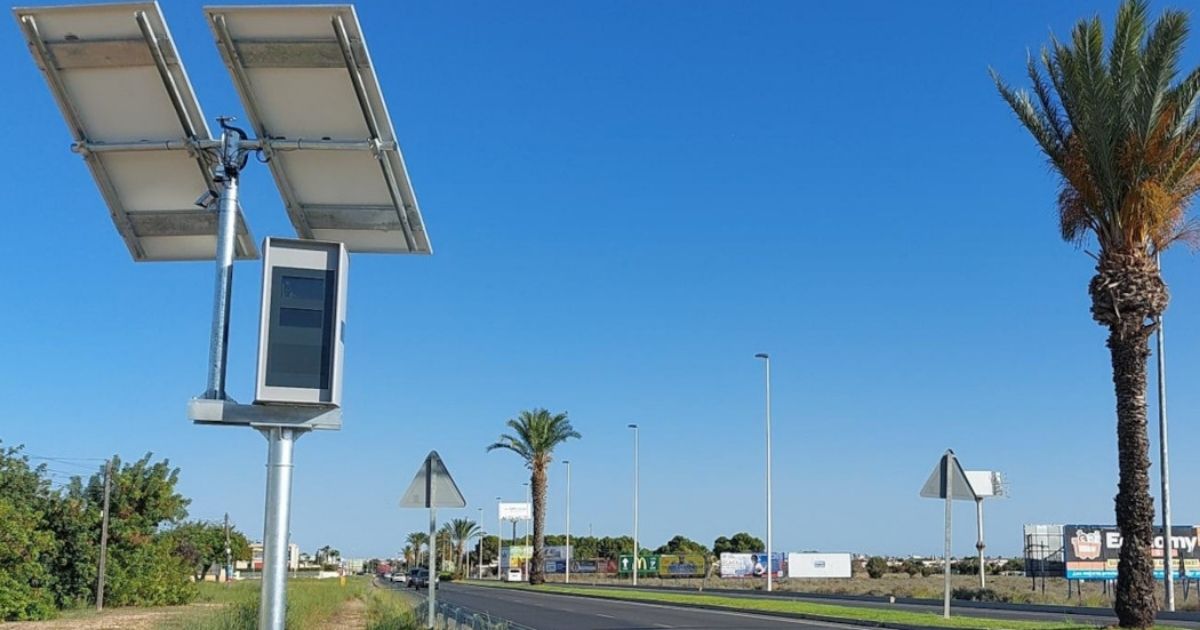
Spain’s traffic authority has activated 33 new speed cameras across 11 autonomous communities, as part of the DGT’s broader plan to expand speed enforcement on conventional roads and high-occupancy lanes.
The rollout includes 20 fixed cameras and 13 average-speed “radar de tramo” systems — the type that measures your speed over a section of road, rather than at a single point.
Why this matters right now
The timing is not accidental. DGT has framed the rollout in the run-up to major travel periods, when traffic volumes rise, and speeding becomes a predictable factor in serious collisions.
DGT’s plan, launched in 2025, aims to reach 122 new speed control points, with 106 already in service, and the remainder to be installed during 2026.
These three speed cameras in the Valencia region issue the most fines
A “grace month” — but don’t rely on it
One detail will catch a lot of drivers out: the DGT says that during the first month, motorists detected speeding will typically receive an informative warning letter, rather than an immediate fine.
After that initial phase, normal sanctions apply — including fines and, where relevant, points penalties.
Why tramo radars are changing behaviour
Fixed cameras are familiar. Tramo radars are different.
If you brake for a camera and speed up again moments later, tramo controls still catch the overall pattern. That’s why these systems are increasingly used on stretches where speeding is habitual rather than accidental.
How to check whether your route is affected
DGT says the new cameras are signposted, and their locations are published through official channels. If you drive regularly for work — especially on interurban routes — it’s worth checking the DGT list rather than relying on word-of-mouth.
The takeaway
Treat the “warning letter month” as a transition period, not a free pass. Once fines begin, tramo radars in particular tend to catch the drivers who assume one quick brake is enough.