 Lorraine Williamson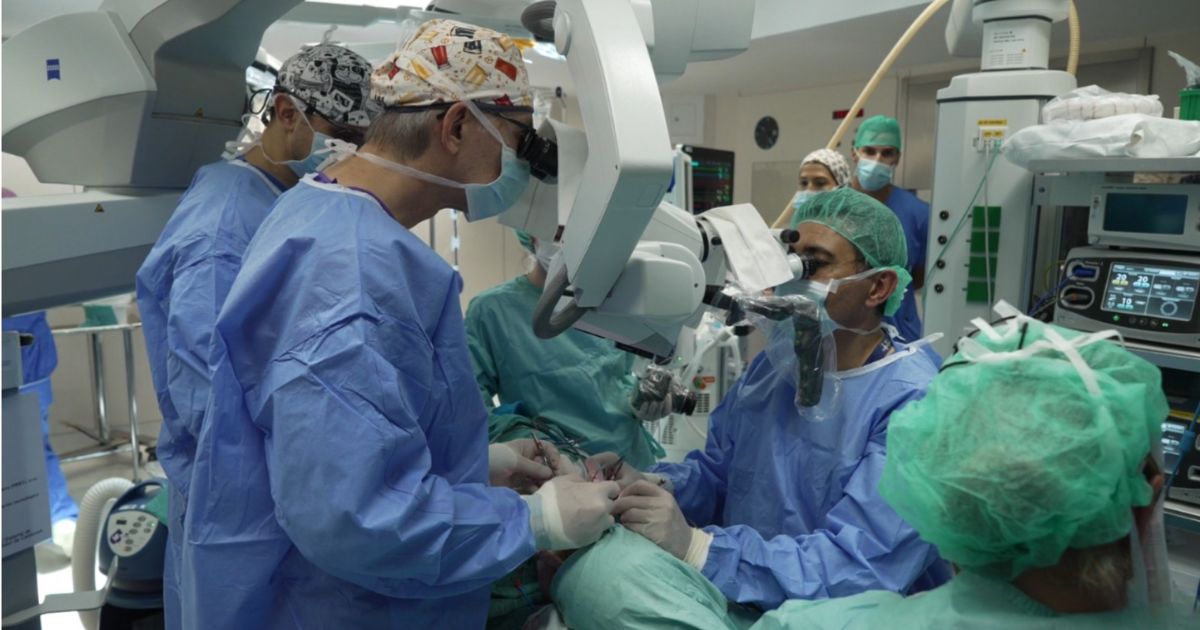
A Barcelona hospital has carried out what it says is the world’s first face transplant using tissue from a donor who had chosen medically assisted death, a milestone that links Spain’s assisted-dying framework with one of medicine’s most complex transplant procedures.
The operation took place at Vall d’Hebron University Hospital, involving around 100 health professionals and a long microsurgery procedure lasting about 24 hours, according to the hospital and regional reporting.
The patient: a life changed by a devastating infection
The recipient, identified publicly as Carme, was left severely disfigured after a serious infection that damaged facial tissue and function. The transplant aimed not only to restore appearance but to recover essential abilities such as eating, speaking, and facial movement.
Why the donor’s decision mattered
In this case, the donor had been authorised for PRAM (Spain’s legal assisted-dying provision). They chose to donate organs and tissues, including facial donation, under the same donation safeguards that govern all transplants. The planned nature of the donor’s death allowed clinicians to prepare in a way that is rarely possible in urgent donation contexts.
Vall d’Hebron described the decision as an exceptional act of altruism, emphasising that the donor’s choice was made within established ethical and legal protocols.
Spain sets new organ transplant record
Spain’s transplant leadership, with new ethical terrain
Spain has long been a global benchmark for organ donation. This case adds a new dimension: how assisted-dying law intersects with donation, and how hospitals ensure consent remains robust and free of pressure. International coverage has highlighted the case as both a medical and ethical landmark.
New possibilities
Face transplants are not “one and done”. Recovery can take months, sometimes longer, as nerves reconnect and function gradually returns. The hospital says the procedure opens new possibilities for patients with severe facial damage. Meanwhile, it also underlines the need for careful oversight in rare donation scenarios.
Sources: Catalan News, Euro News, El País