 Lorraine Williamson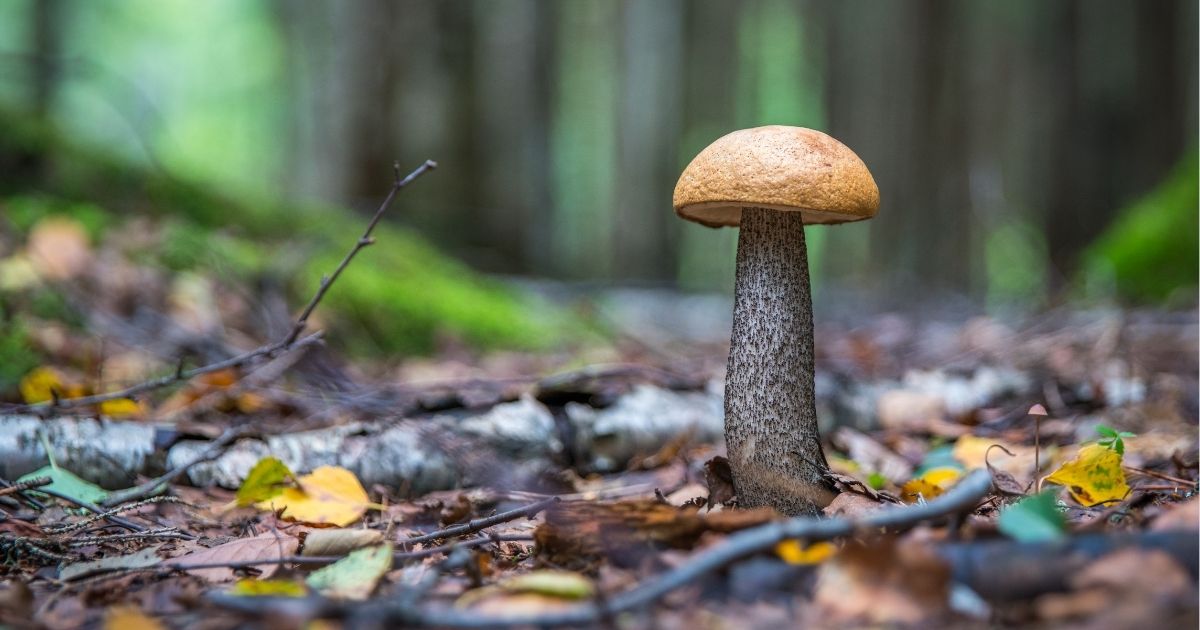
When the first rains of October soak the soil and the air turns crisp, Spain’s forests come alive with one of the most treasured signs of autumn: mushrooms. For many Spaniards, mushroom picking is far more than a hobby. It’s a seasonal ritual that combines food, family, and a deep respect for the countryside.
From the Basque Country to Catalonia, from the oak woods of Castilla y León to the pine forests of Andalucia, families head out with wicker baskets and knives in hand, hoping to return with edible treasures. But amid the excitement, there are rules, traditions, and above all, dangers that every mushroom hunter needs to know.
Spain’s rich variety of edible mushrooms
Spain is blessed with an extraordinary fungal biodiversity. The prized boletus edulis—with its firm texture and nutty taste—often takes pride of place in Spanish kitchens. Autumn also brings níscalos (Lactarius deliciosus), the saffron-coloured pine mushroom beloved in Catalonia and Aragón, usually fried with garlic or cooked in stews.
Equally sought after are golden chanterelles (Cantharellus cibarius), which fill the air with a fruity aroma, and the black trumpet of death (Craterellus cornucopioides), whose dramatic appearance hides an intense flavour perfect for sauces. Large parasol mushrooms, delicate cream varieties near thistles, and fairy rings on open lawns add further colour to the hunt.
For foragers, the thrill lies as much in spotting these species hidden under fallen leaves as in taking them home to cook.
The risks: What not to pick
The dangers, however, are real. Spain’s Food Safety Authority (AESAN) issues annual warnings: poisonous mushrooms can look deceptively similar to edible ones, and cooking them does not neutralise their toxins. Some deadly varieties, such as the death cap (Amanita phalloides), are almost indistinguishable from harmless field mushrooms to the untrained eye.
For beginners, the rule is simple: if you are not 100% sure, do not pick it. Many first-time foragers choose to join guided routes, common in areas like the Sierra de Aracena, where experts explain what to collect and what to avoid.
Rules and responsible foraging
Spain’s mushroom tradition is popular, but it comes with responsibility. Some regions require permits—such as parts of Castile-La Mancha and protected parks in Andalucia—to prevent over-harvesting. Others allow free picking, provided foragers respect nature and private land.
A few golden rules keep the ecosystem healthy:
-
Use wicker baskets, which allow spores to spread.
-
Cut mushrooms carefully with a knife, leaving the base intact.
-
Leave young mushrooms to grow, and only pick what you plan to eat.
-
Never trample vegetation or disturb wildlife.
These practices not only protect the environment but also ensure that others can share in the joy of foraging.
Mushroom culture is more than food
In many parts of Spain, mushroom hunting has become a cultural event. In Catalonia, entire families take to the forest at weekends, later gathering around the table to cook their finds. And in the Basque Country, markets overflow with freshly collected fungi, while in Castilla y León, local councils organise mycological festivals complete with tastings, exhibitions, and guided walks.
Spain is also a major mushroom producer, cultivating thousands of tonnes each year for domestic and European markets. Yet for most Spaniards, the experience of hunting in the wild—feeling the damp forest floor underfoot and uncovering something hidden in the moss—remains irreplaceable.
A season of reward and caution
Mushroom picking in Spain blends gastronomy, tradition, and a respect for the natural world. The rewards are delicious, but the dangers are serious, and care must always come before curiosity. For those who prepare well, follow local rules, and perhaps learn alongside an experienced guide, the season offers one of the most magical ways to experience the Spanish autumn.
Source: Expogourmetmagazine