 Lorraine Williamson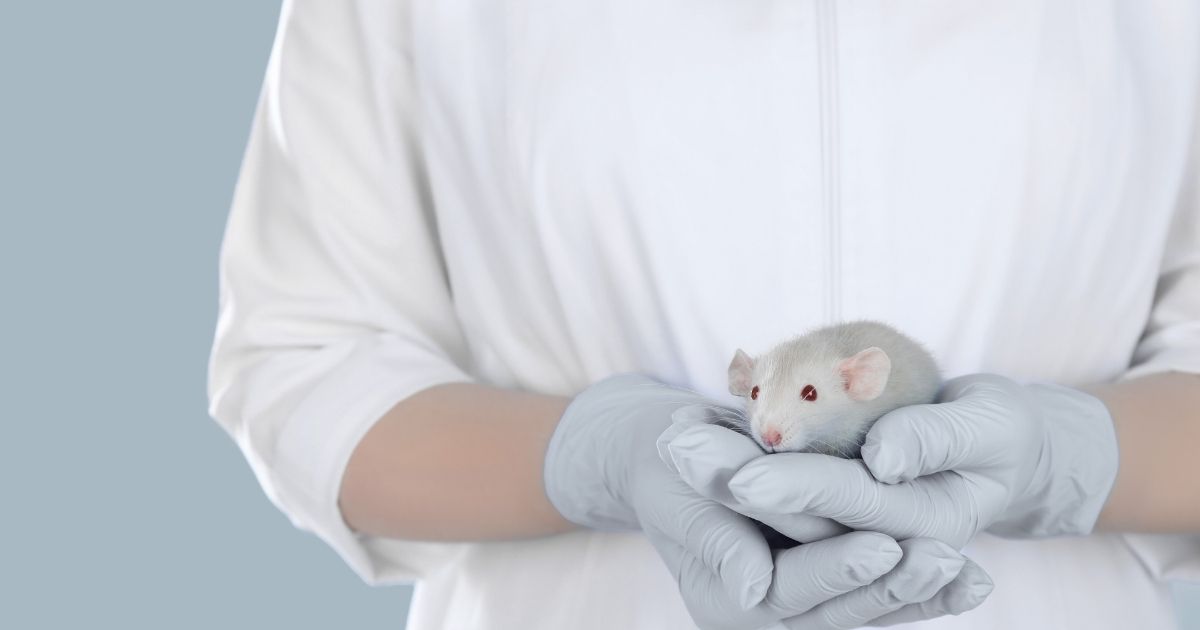
Spain used fewer animals for scientific research in 2024 than at any point in the past decade, according to newly published data. The downward trend reflects tighter regulation, changing research practices, and a growing push towards alternatives — even as scientists insist that animal testing has not disappeared altogether.
The figures form part of Spain’s latest national transparency report on animal testing, compiled by scientific bodies and government departments. While the numbers remain high, the long-term direction is clear.
A steady fall over fifteen years
In total, just under 890,000 animals were used in Spain for research and educational purposes last year. That represents a significant drop compared with both the previous year and earlier benchmarks from the late 2000s, when animal testing levels were considerably higher.
Researchers attribute several reasons to the decline. Ethical scrutiny has increased. Approval processes are stricter. And in many fields, newer methods now reduce the need for live animals.
Which animals are most affected
Small laboratory animals still account for the majority of procedures. Mice remain the most commonly used species, largely due to their role in biomedical research and disease modelling.
Fish and birds follow, although recent years have seen a sharp fall in the number of fish used, while the use of birds and some less traditional species has risen slightly. By contrast, experiments involving large mammals, such as dogs, horses, and cattle, have continued to decline.
How invasive are the experiments?
Most research procedures are classed as low or moderate in terms of animal suffering. Mild procedures account for around half of all cases, with moderate procedures making up most of the remainder.
Only a small proportion fall into the most severe category. In some studies, animals are euthanised without undergoing additional procedures, a practice that is also recorded separately within the reporting system.
Ethical controls and legal oversight
Spain applies some of the strictest animal welfare rules in Europe. Every research project involving animals must be approved in advance by an ethics committee and justified scientifically.
Researchers are legally bound to follow the “three Rs” principle: replacing animals where possible, reducing the number used, and refining procedures to minimise suffering. Studies may only proceed when no suitable alternative exists.
Why animals are still used
The vast majority of animal testing in Spain takes place within biomedical research. Cancer treatments, cardiovascular disease and neurological disorders remain key areas where animal models are still considered necessary.
Scientists argue that, despite technological advances, certain stages of drug development and disease research cannot yet be replicated reliably without animal involvement.
Transparency and the push for alternatives
Pressure to reduce animal testing further is growing. Public reporting has become more detailed, and research institutions are increasingly open about how and why animals are used.
At the same time, investment in alternatives is expanding. Human cell cultures, organ-on-chip technology and advanced computer simulations are all being developed to replace animal testing wherever possible.
A slow shift, not an overnight change
The latest data underline a long-term transition rather than a sudden breakthrough. Animal testing in Spain is declining, but not disappearing.
For now, the challenge lies in balancing medical progress with ethical responsibility — while ensuring that transparency and public scrutiny remain central to the debate.
Source: Informacion.es