 Lorraine Williamson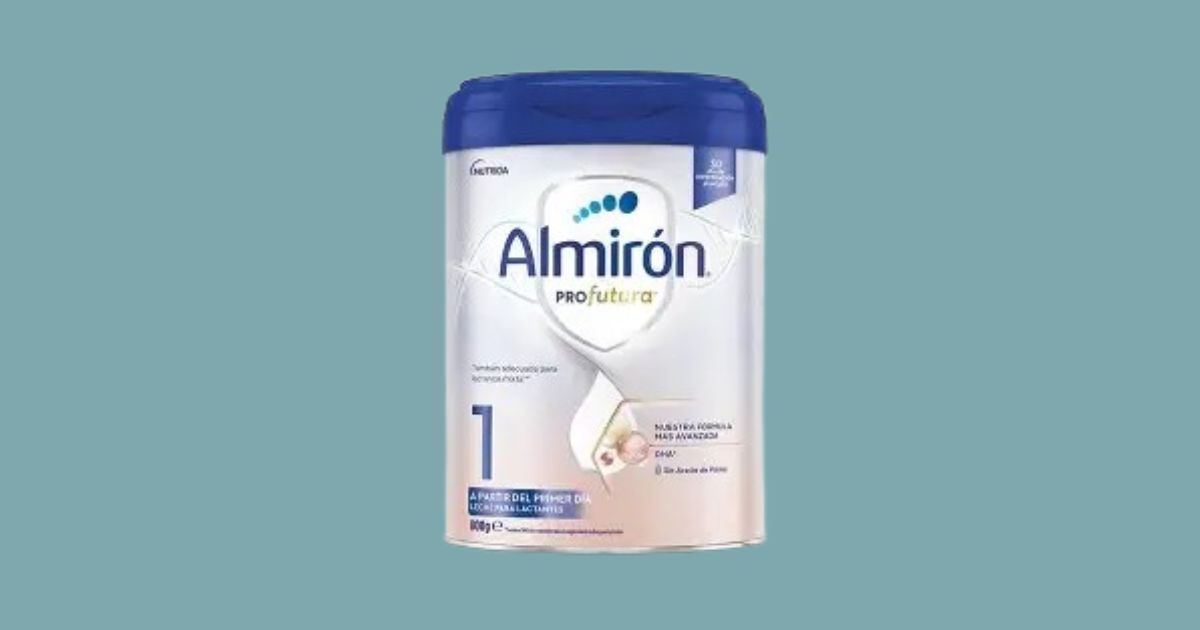
Spanish food safety authorities have escalated public warnings after detecting potential contamination risks in multiple infant milk powder products sold in Spain. The Agencia Española de Seguridad Alimentaria y Nutrición (AESAN) has issued official alerts for several formula brands following notifications from European partners about possible bacterial toxins in specific batches.
Infant formula is specially formulated to meet the complete nutritional needs of babies when breastfeeding isn’t possible or sufficient. This category is subject to strict safety and hygiene regulations, given its role in early nutrition.
What products are affected?
Almiron Profutura 1 (AESAN Alert ES2026/043)
AESAN confirmed an alert for ALMIRON PROFUTURA 1 infant formula after authorities in Ireland reported a possible presence of cereulide, a toxin produced by Bacillus cereus, in this product. Affected units have a best-before date of 19/08/2027 and are packaged in 800 g containers. Parents and caregivers are strongly advised not to use or feed this product to infants and to follow retailer procedures for returns.
Damira Natur 1 & 2 (AESAN Alert ES2026/039)
In a separate alert, authorities notified AESAN of potential cereulide risks in DAMIRA NATUR 1 (lot 8000003307) and DAMIRA NATUR 2 (lot 8000003302), both also in 800 g formats and distributed from France. The manufacturer, Lactalis Nutrición Iberia, has initiated voluntary withdrawals of these lots, and consumers are again urged to stop using and return affected products.
Why this matters
Cereulide is a heat-stable toxin that can be produced by Bacillus cereus. It isn’t necessarily destroyed by normal formula preparation and has been associated with symptoms like nausea, vomiting and diarrhoea in food-borne illness cases. Because infants have particularly vulnerable digestive and immune systems, even low-level contamination can pose a health concern.
This cluster of alerts follows earlier actions related to infant formula contamination — notably a large December 2025 recall involving Nestlé’s Nidina 1 and other formula products after possible Bacillus cereus presence was identified.
What should families do?
If you have any of the affected products at home:
-
Check the packaging for the exact brand and lot information listed above.
-
Do not use or feed the product to infants.
-
Contact the retailer or manufacturer’s customer service for refund or replacement instructions.
-
Consult a healthcare professional if an infant has consumed a product now under alert and shows symptoms.
AESAN has communicated these alerts through the Sistema Coordinado de Intercambio Rápido de Información (SCIRI) so that regional health authorities and retailers can ensure effective removal of affected lots from shelves.
What’s next?
Parents and carers should monitor official AESAN updates, as authorities may broaden alerts or add further product information if new batches are identified. Retailers and pharmacies are also legally required in Spain to enforce withdrawals and notify customers. Given the widespread distribution of infant formula products, vigilance remains essential for families with infants reliant on powdered milk feeds.