 Lorraine Williamson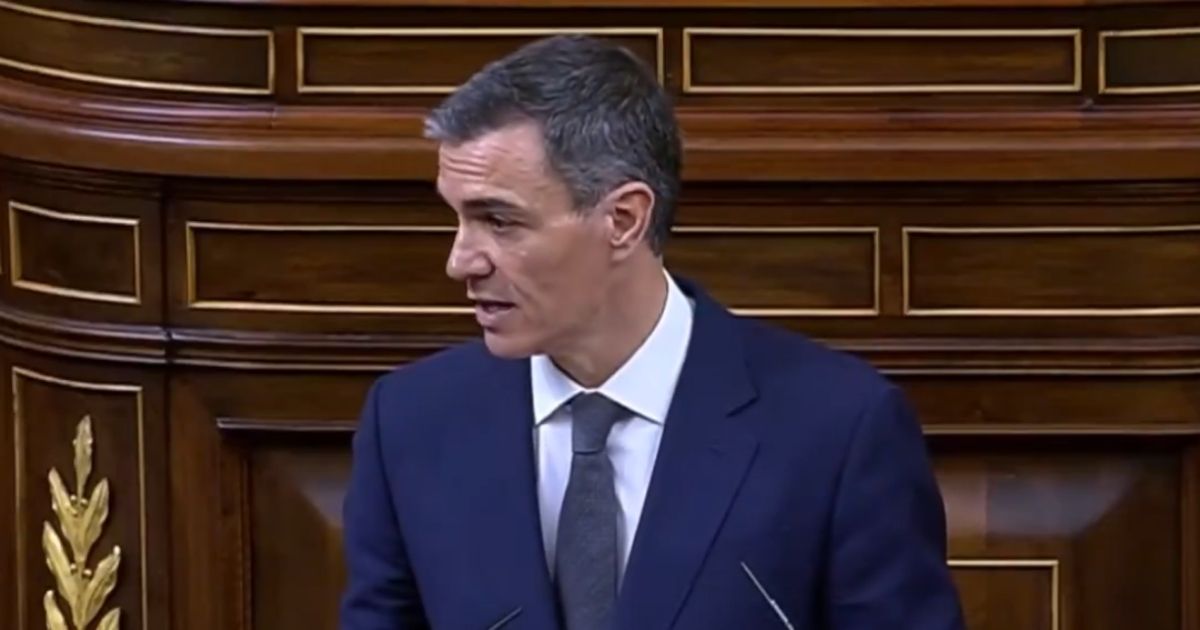
Spain’s prime minister has pledged a full and transparent inquiry into the Adamuz train crash investigation, telling victims’ families that the state will do everything possible to uncover the cause of the disaster and ensure accountability where needed.
Speaking during a tense parliamentary debate, Pedro Sánchez addressed the relatives of those who died directly, promising that the findings of the investigation would be made public and that any failures would be confronted.
The crash on 18 January left 46 people dead and more than 100 injured, making it one of the worst rail disasters in Spain in more than a decade.
What investigators believe happened
Preliminary findings suggest a fracture in a rail weld on the high-speed line between Madrid and Seville near Adamuz may have played a role in the derailment. The section of track had recently undergone maintenance and inspections, according to government officials.
Sánchez told parliament that all checks had been carried out under existing protocols, but acknowledged those standards may now need to change.
“If the investigation shows that current procedures were not sufficient, they will be strengthened,” he said, adding that improving safety would be a priority once the final report is delivered.
Government defends rail safety record
The prime minister insisted that Spain’s rail network remains among the safest in the world and warned against drawing premature conclusions before investigators finish their work.
He said investment in rail infrastructure has increased significantly in recent years, with funding directed toward maintenance, modernisation and staffing. However, he conceded that public confidence has been shaken and that restoring trust will require transparency.
Opposition demands accountability
Opposition parties used the debate to criticise the government’s handling of rail infrastructure. Partido Popular leader Alberto Núñez Feijóo accused the administration of negligence and called for political responsibility, arguing that the crash might have been preventable.
Vox leader Santiago Abascal also called for resignations, claiming that systemic failures within the rail system must have consequences at the highest level.
Government allies rejected those accusations, accusing the opposition of politicising a national tragedy. They argued that reforms should focus on improving safety and coordination across Spain’s rail networks rather than assigning blame before the investigation concludes.
Wider rail concerns in Spain
The Adamuz crash has intensified scrutiny of rail infrastructure across the country. Recent disruptions and safety concerns on commuter lines — particularly in Catalonia — have fuelled calls for stronger oversight, more funding, and clearer accountability.
Sánchez announced an additional €1.8 billion investment in rail maintenance and safety, along with increased staffing at Renfe and the national rail safety agency. The funding forms part of a broader effort to rebuild public confidence after the disaster.
Adamuz crash report
The final report into the Adamuz crash is expected in the coming weeks. Authorities say their findings will be published in full and that any necessary legal or political action will follow.
For now, the Adamuz train crash investigation remains one of the most sensitive issues in Spanish politics — combining grief, public safety concerns, and growing pressure on the government to deliver answers.