 Lorraine Williamson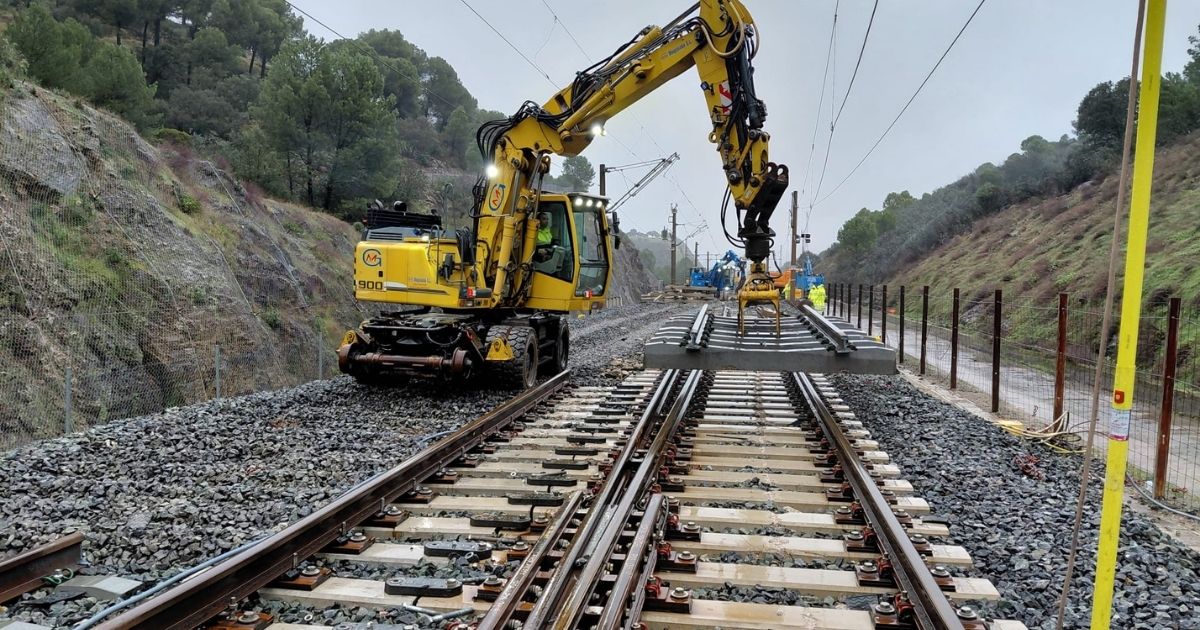
The technical investigation into the devastating Adamuz high-speed train crash in Córdoba is facing delays as investigators wait for key documentation and lab authorisation, even as workers press ahead with repairs and the official death toll rises.
Twelve days after the collision on 18 January, when an Iryo high-speed train derailed and was struck by a Renfe Alvia service, the number of confirmed fatalities has reached 46 with hospital deaths continuing to occur among those seriously injured.
Key evidence still to be examined
Officials from the Comisión de Investigación de Accidentes Ferroviarios (CIAF) report they are awaiting crucial records relating to a welded rail joint suspected of playing a central role in the derailment. This involves documentation on the aluminothermic weld that joined rail sections from different years, and the detailed logs from the black boxes of the trains involved.
Without these materials and judicial authorisation to conduct certain external laboratory tests, the investigation has been slowed, prompting the CIAF to use a different, recent minor track break on the Madrid–Barcelona line to rehearse analytical methods while waiting.
Repairs ongoing as service remains suspended
Separate from the investigation, ADIF teams and contractors continue repair work on the damaged stretch of the Madrid–Andalusia high-speed line. According to transport authorities, around 40 specialists are on site replacing damaged sleepers and rails in a bid to restore full AVE service, possibly by 7 February, although that timeline is still tentative and weather conditions could affect it.
Renfe, meanwhile, is operating a hybrid alternative between Madrid and southern destinations that includes bus links around the affected segment.
Political and public pressure mounts
The accident has intensified scrutiny on Spain’s railway safety regime. Opposition figures and union leaders have called for independent assessments of rail infrastructure and maintenance practices, extending criticism to the government’s handling of safety and resource allocation.
What’s next in the Adamuz probe
Investigators hope that once they secure the pending documentation and judicial clearances for laboratory analysis, clearer insight into mechanical or structural causes will emerge. The task remains methodical and complex; only with complete evidence can the CIAF produce a final technical report that withstands scrutiny from regulators, operators, and the public.
For families, campaigners and rail users alike, the focus now is on truth and accountability — not just reconstruction of the line, but a full accounting of how such a tragedy occurred and how future ones can be prevented.