 Lorraine Williamson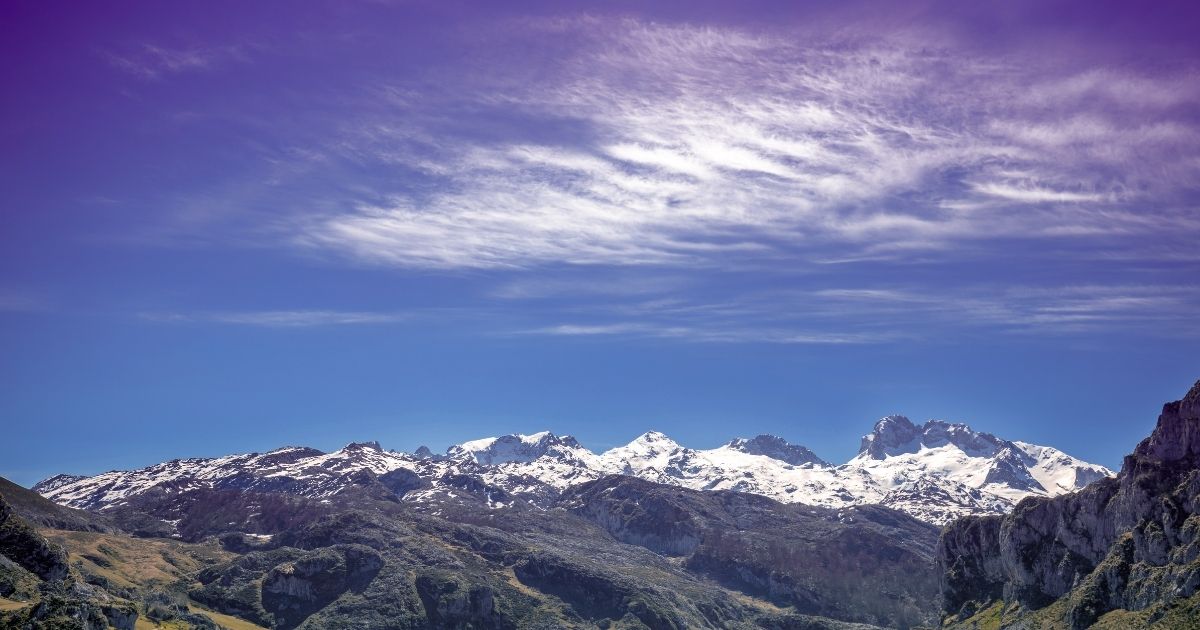
Spain has landed a new travel bragging right. Picos de Europa has been placed at the top of Time Out’s 2026 ranking of the world’s most beautiful places, beating destinations in Indonesia, Portugal, the US, and Bhutan. It is not an official global title, of course, but it is the kind of travel accolade that can quickly put a place back into the spotlight.
For Spain, that matters. At a time when many parts of the country are trying to balance tourism growth with overcrowding concerns, Picos de Europa offers a different kind of draw: mountains instead of mega-resorts, hiking instead of hype, and villages, lakes and limestone peaks rather than another postcard beach strip.
Why this corner of Spain stood out
Time Out highlighted the range’s unusual geography as the reason it rose above the rest. The publication described the mountains as a place where steep peaks rise only around 20 kilometres from the coast, creating a landscape of deep gorges, dramatic summits, beaches and the Cantabrian Sea in the same frame. It also picked out the Naranjo de Bulnes, the Lakes of Covadonga, and mountain villages such as Sotres and Caín among the most striking sights.
That description fits the reality of the area. The range stretches across Asturias, Cantabria and Castilla y León, while official regional tourism information describes it as home to the highest peaks in the Cantabrian Mountains. Turismo Asturias lists an official maximum altitude of 2,648 metres at Torrecerredo, as well as major visitor highlights including the Ruta del Cares, Covadonga, Bulnes and the glacial lakes of Enol and Ercina.
More than a pretty view
One reason the ranking works so well for Spain is that the Picos de Europa is not just scenic. It combines big-mountain drama with cultural and rural tourism. The area links protected landscapes, pilgrimage heritage, traditional villages and food culture, from mountain cheese production to classic northern walking routes. Turismo Asturias also notes that the wider area forms part of a Biosphere Reserve, adding another layer to its environmental importance.
That makes it a strong symbol of the kind of travel many readers are increasingly looking for: cooler temperatures, open space and nature-led breaks rather than another high-season scramble for a sunbed. In that sense, the ranking taps into a wider shift already visible across parts of northern Spain. That last point is an inference based on current travel patterns and the kind of experiences highlighted by the official tourism material.
If readers are tempted to go
Time Out singled out the 23-kilometre Ruta del Cares as one of the must-do experiences in the area. Official tourism guidance also points visitors towards routes around Covadonga, visitor centres in Cangas de Onís, and access points for Bulnes and the surrounding high-mountain terrain.
That said, the same official information makes clear this is not somewhere to treat casually. Some routes are gentle, others are serious mountain walks, and visitors are advised to check practical information before heading into the park. Pets, for example, must be kept under control and on a lead.
A timely win for green Spain
Travel rankings come and go, but this one lands neatly for Spain. While the country is often sold abroad through its coasts and cities, the Picos de Europa offer a reminder that some of its most memorable landscapes are inland, cooler and quieter. If the accolade encourages more people to look north and travel more thoughtfully, it may prove more valuable than the headline itself.