 Lorraine Williamson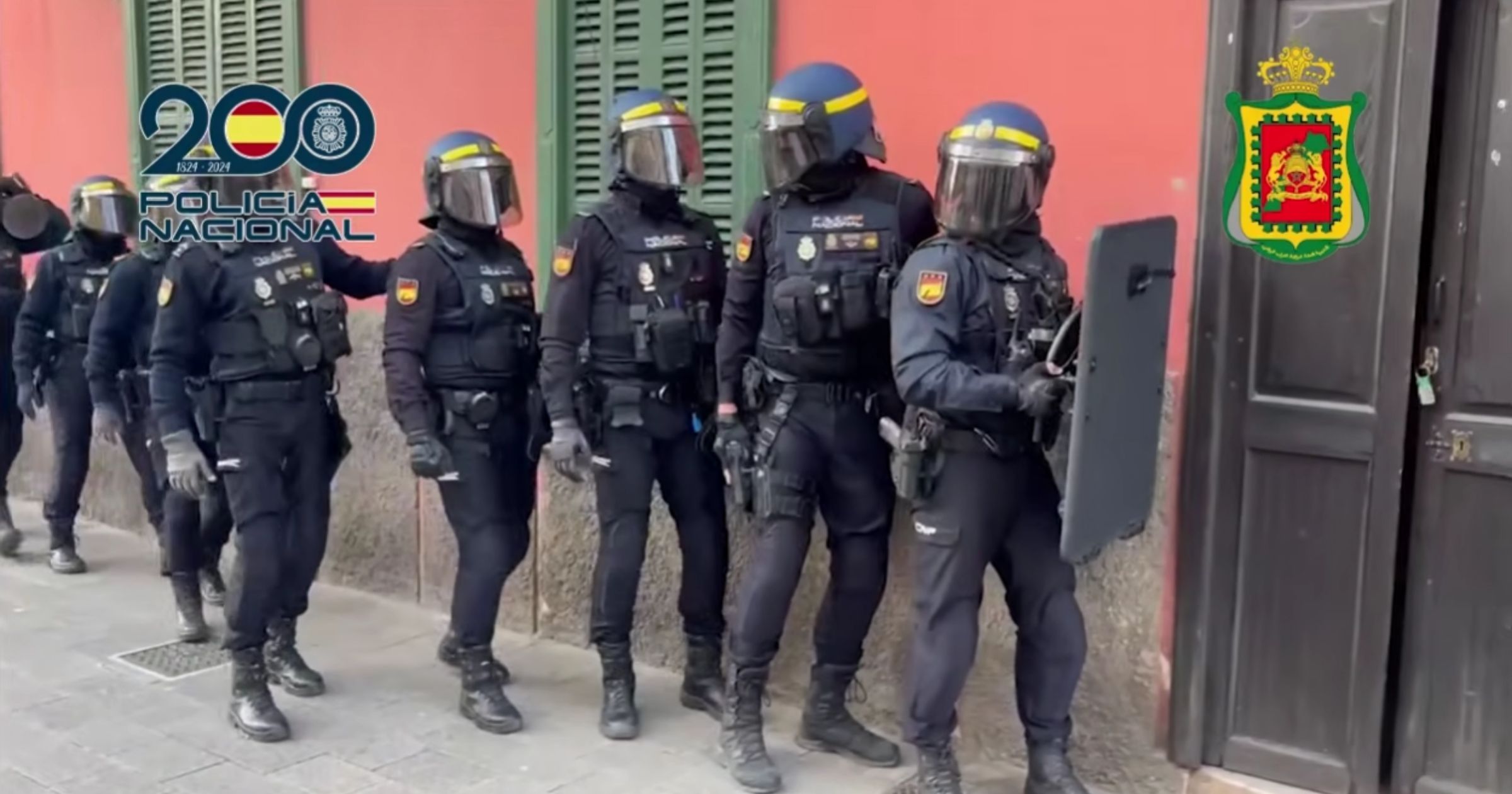
Spanish and Moroccan authorities have arrested three people in a joint anti-jihadist operation, including a suspect in Palma who police say had become radicalised and was planning to travel to a conflict zone. Policía Nacional announced the arrests on Wednesday, describing the case as the latest result of long-running cooperation with Morocco’s DGST intelligence service.
According to the Spanish police account, the operation was carried out simultaneously in Spain and Morocco. Policía Nacional said the two countries have worked together for more than a decade and have carried out 31 joint operations leading to 150 arrests for jihadist terrorism since 2014.
Palma arrest puts Mallorca at the centre of the case
The most significant arrest on the Spanish side was made in Palma, where police detained a man described in multiple reports as the alleged leader of the cell. El País reported that the wider operation dismantled a jihadist group that was allegedly planning an attack in Spain using a so-called lone actor. The newspaper said two further suspects were arrested in Tangier, where they were allegedly involved in financing and logistical support for jihadist fighters in the Sahel and Somalia.
Cadena SER’s Radio Mallorca also reported that the man arrested in Palma is suspected of radicalisation, indoctrination, and self-indoctrination linked to Daesh (ISIS) propaganda, and that investigators believe he was planning a major attack in Spain. The broadcaster said he was detained in the street in Palma and later transferred to Madrid as the investigation continued under judicial secrecy.
What police say the suspects were doing
The clearest official information so far comes from Policía Nacional’s public statement, which said the Palma suspect had planned to travel to a conflict zone. El País adds a broader picture, reporting that investigators believe the group had moved beyond online radical activity and into operational planning, although the attack was not said to be imminent. That distinction matters. It suggests the case had already crossed into a far more serious phase than simple extremist messaging online.
The same El País report says the two suspects arrested in Morocco were connected to support networks for fighters active in African conflict zones where jihadist violence remains intense. That gives the case a cross-border dimension and helps explain why it was handled as a joint Spain–Morocco security operation rather than a purely domestic arrest.
Counter-terrorism work
Spain has carried out repeated anti-terror operations in recent years, but this case stands out because of the alleged operational ambition attached to the Palma suspect. It is also another reminder of how central Spain–Morocco cooperation has become in counter-terrorism work, especially where investigators believe networks, finance or ideology cross both sides of the Strait.
However, the broader significance lies in what the case says about current security priorities in Spain: lone-actor risk, cross-border intelligence sharing, and the continued monitoring of extremist networks with links to North Africa and the wider Sahel region. That is an inference from the reporting, but it is strongly supported by the details now in the public domain.
More details are likely to follow
At this stage, some parts of the case remain under judicial secrecy, which means the public record is still incomplete. What is clear is that the arrests took place today, that one suspect was detained in Palma, and that Spanish police are presenting the operation as another major example of security cooperation with Morocco. More official detail is likely once the court process moves forward.