 Lorraine Williamson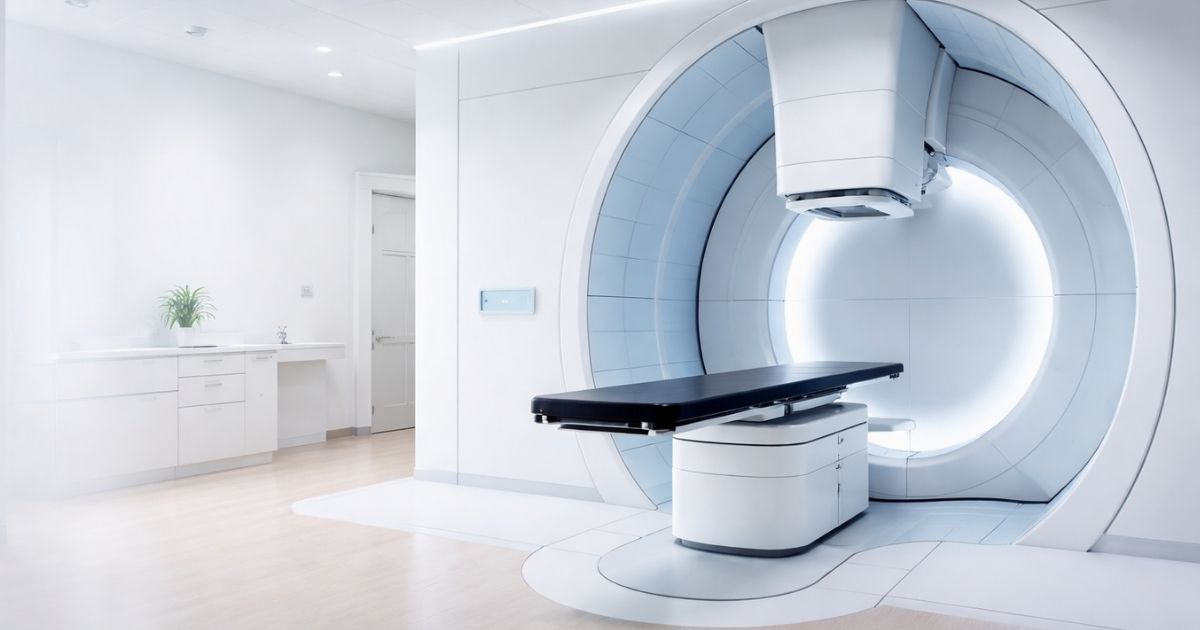
Amancio Ortega’s wealth has long made headlines, but the story gaining ground in Spain now is not about dividends or fashion. It is about hospitals, cancer treatment, and whether one of the country’s biggest private fortunes is helping to change what patients can expect from the public health system. Recent advances in Madrid and Malaga suggest that a donation announced years ago is now moving into a more visible phase.
At the heart of that shift is proton therapy, one of the most precise forms of radiotherapy currently available. In 2021, the Amancio Ortega Foundation agreed to donate €280 million to help install 10 proton accelerators in Spain’s public health system, in partnership with the Spanish government and several autonomous communities. The foundation says the programme also includes training and technical support linked to the installation of the equipment.
From headline donation to real hospital progress
For a long time, this was the kind of story that sounded impressive on paper but distant in everyday life. That is beginning to change. In Madrid, Hospital de Fuenlabrada has now received its proton therapy equipment, with local reporting saying it is expected to become operational in early 2027 once assembly, calibration and staff training are completed.
In Andalucia, there has also been a fresh step forward. Cadena SER reported on 20 March that the Junta had approved the proposed contract award for works on the new proton therapy centre at Malaga’s Materno Infantil hospital. The report said the centre would cover nearly 4,000 square metres and form part of a wider push to make advanced cancer treatment available within the public system.
That matters because proton therapy is still associated with highly specialised care, limited availability and long development times. Bringing it into public hospitals is not just a technical story. It is about whether families facing cancer can access cutting-edge treatment closer to home and without depending entirely on private providers or travel to a small number of specialist centres. This is an inference based on the nature of proton therapy and the public-hospital rollout described by the Foundation and regional reporting.
Why proton therapy attracts so much attention
Proton therapy is designed to target tumours with greater precision and to reduce damage to surrounding healthy tissue. According to reporting on the Fuenlabrada project, this can be particularly important in paediatric cancers and in certain neurological, digestive, gynaecological and prostate tumours.
That helps explain why Ortega’s healthcare donations have generated such sustained interest. They are not funding a vague future promise. They are linked to equipment that could change treatment options for some of the most complex cancer cases in the country’s public hospitals. The Foundation’s wider oncology support work predates the proton therapy programme and includes earlier efforts to renew diagnostic and radiotherapy equipment in public hospitals across Spain.
A gift that also keeps the political debate alive
In Spain, philanthropy on this scale rarely escapes political argument. Ortega’s donations to public healthcare have for years prompted a broader debate about the relationship between private wealth and public services. Some critics have argued that essential healthcare should never depend on the generosity of billionaires, while supporters point to the practical result: expensive equipment arriving in hospitals that might otherwise have had to wait far longer. Xataka noted last month that the scale of the Foundation’s funding has reignited that debate.
That tension is unlikely to disappear, especially at a time when Spain is also grappling with wider pressure on public finances and health services. But as construction advances and equipment starts arriving, the argument is becoming less abstract. The real test will be whether these centres open on time, are properly staffed and deliver faster, fairer access for patients. Recent reporting suggests progress is real, but full deployment will still take time.
What this means for families in Spain
This is not really a story about every household budget in the direct, everyday sense of rent or food prices. It is stronger as a story about public healthcare capacity and what families may one day gain from better cancer treatment within the state system.
Cancer reaches into ordinary family life in a way few policy stories do. If these projects are completed and fully integrated into the public system, Ortega’s donations may end up being remembered less as a rich man’s gesture and more as part of a major shift in how advanced oncology care is delivered in Spain.
Andalucia launches digital health card allowing access via mobile