 Lorraine Williamson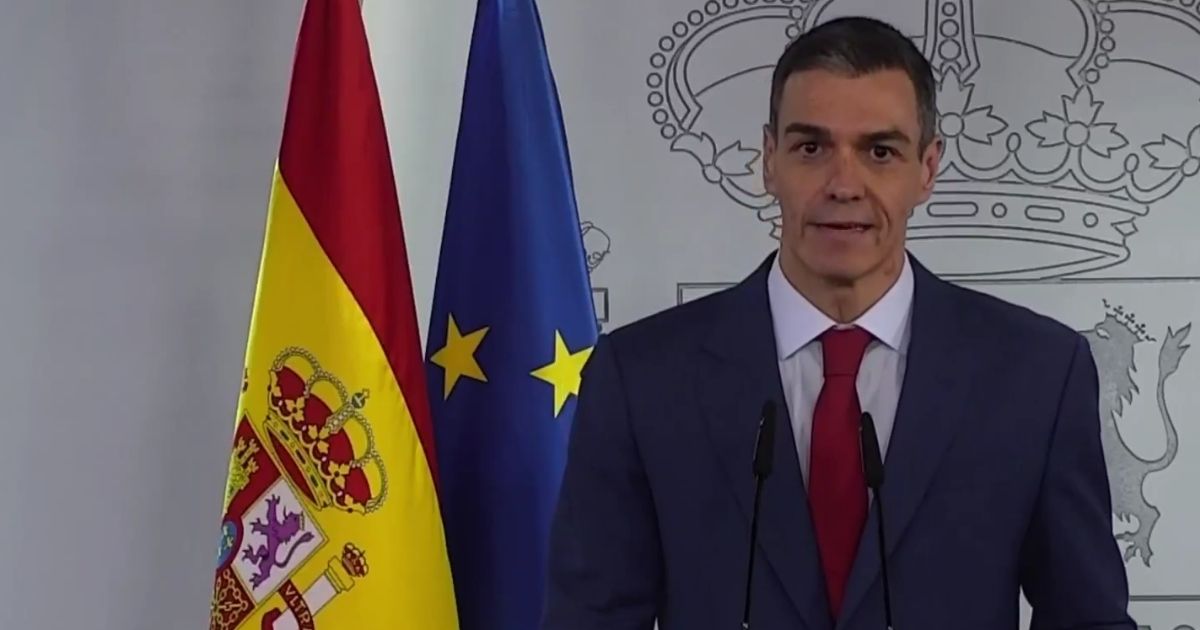
Trump trade threat to Spain turned into a full-blown political confrontation on Wednesday after Pedro Sánchez responded to Donald Trump’s warning that the US could “cut off” trade with Spain.
In a televised address, Spain’s prime minister framed Madrid’s stance in blunt terms: “No to war.” He said Spain would not become “complicit” in a conflict it believes is escalating dangerously, even if doing so risks retaliation.
Why Trump is threatening Spain
The clash centres on Spain’s refusal to allow US aircraft to use the jointly operated bases at Rota and Morón for operations linked to the Iran strikes, according to reporting on both sides of the Atlantic. Trump also used the moment to attack Spain’s defence spending and Nato burden-sharing, presenting Madrid as the outlier in an alliance under pressure.
The White House rhetoric is sweeping. But it’s also politically loaded: “trade” becomes the weapon of choice when a security argument risks looking messy.
Sánchez’s line: diplomacy, not escalation
Sánchez condemned the Iran campaign as a “disaster”, arguing that breaking international law cannot be answered by breaking it again. He invoked the legacy of the 2003 Iraq war, warning Europe would pay the price if the conflict widens into a long, destabilising cycle.
That “No to war” slogan has a history in Spain. It is a deliberate domestic signal as much as a foreign-policy stance — a reminder of the mass protests that shadowed the Iraq invasion and shaped a generation of Spanish politics.
Can the US really “sever trade” with Spain?
This is where the drama meets the paperwork.
Trade policy for Spain is largely EU-level rather than bilateral. Any attempt to target Spain alone would immediately become a dispute with Brussels. Reuters also notes that legal routes to a blanket embargo would be highly controversial, with experts pointing to the hurdles involved in using emergency economic powers.
That said, pressure can still bite without a formal “cut-off”: targeted tariff threats, delays, procurement pressure, or simply uncertainty that spooks contracts.
What it could mean for expats and businesses in Spain
In the short term, the biggest impact may be indirect.
Markets tend to react fast to geopolitical shocks. Airlines and insurers watch the risk picture closely, and fuel costs can jump on expectation alone. Exporters and importers may also see more volatility if the row hardens into policy.
The next 48 hours
Two things matter now: whether Spain holds firm on base access, and whether Trump’s threat turns into anything concrete. If it does, the EU response will likely be the real story — because the moment trade becomes official policy, it stops being a Spain–US spat and becomes a Brussels–Washington fight.