 Lorraine Williamson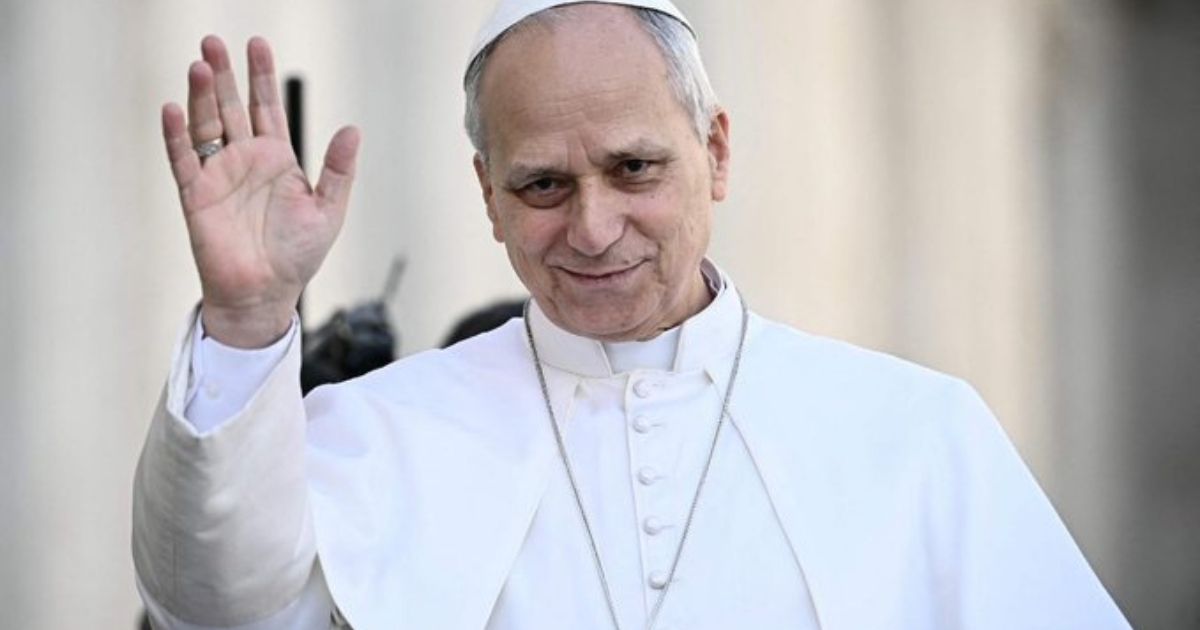
The most striking part of the latest report from Spain’s Church–politics front is not simply that the Pope is worried about the far right. It is what he is reportedly worried about: the use of religion as a political tool.
According to El País, Pope Leo XIV told members of the executive committee of Spain’s Bishops’ Conference (CEE) in a Vatican meeting on 17 November that his biggest concern in Spain was “the ideology of the far right”, warning that these groups sought to win the Catholic vote and “instrumentalise the Church”. El País says this was confirmed by two sources familiar with the meeting.
Why this matters now in Spain
This lands at a moment when migration, identity and religion are colliding more openly in Spanish public life.
El País links the Pope’s concern to clashes over migration policy and rhetoric, including tensions between bishops and Vox after Church figures backed migrant regularisation measures and criticised discriminatory local decisions. The paper says migration was a key breaking point in the confrontation.
That makes this more than a Vatican quote story. It becomes a warning about how quickly religious language, social policy and party mobilisation can fuse into one political battlefield.
Spain’s political centre of gravity moves right as PP signals openness to Vox
The argument inside Spain is not just left vs right
A lot of coverage frames this as a straightforward Church-versus-far-right clash. The reality appears more complicated.
The issue described by El País is not only ideological disagreement. It is a fight over legitimacy: who gets to speak for Catholic values in Spain, and whether bishops can defend positions on migrants or social issues without being accused of acting as proxies for the government. El País reports that some ultra-conservative groups and voices have accused Church leaders of betrayal and political collusion.
In that sense, the Pope’s reported warning reads as an attempt to draw a line: Rome may engage in moral questions, but does not want the Church folded into any party machine.
Migration is the fault line that keeps reopening
El País says one trigger for the deterioration was the Church’s support for policies to regularise undocumented migrants, a stance strongly opposed by Vox. The report also references earlier rows, including reactions to a municipal decision in Jumilla (Murcia) affecting Islamic celebrations and the bishops’ criticism of it as discrimination.
That helps explain why the Pope’s concern reportedly centres on the far right’s political strategy in Spain. Migration has become the point where theological language, public policy and electoral messaging collide most sharply.
Abuse compensation and Vatican pressure add another layer
The same Vatican meeting reportedly also addressed the long-stalled issue of compensation for victims of sexual abuse within the Church in Spain.
El País reports that the bishops left Rome with a clear instruction to resolve the matter quickly, and that the CEE later shifted position, reaching an agreement with the Spanish government in January to compensate all victims. If accurate, that would suggest the November meeting had broader consequences than one political warning.
In practice, it means the Vatican was reportedly pushing on two fronts at once: internal Church credibility and external political pressure.
Why the report has wider resonance beyond Spain
El País also places the episode in a larger international context, linking it to ultra-conservative Catholic networks and digital campaigns that, according to the report, targeted Leo XIV before his election. The article argues that this helps explain why he is especially alert to attempts to weaponise Catholic identity in national politics.
Whether or not further details emerge, the significance for Spain is already clear: the Vatican appears to be signalling that the Church should resist being dragged into partisan identity wars, even when those wars are fought in explicitly religious language.
What this changes in the Spanish debate
If El País’s account is correct, the key takeaway is not that Rome has entered day-to-day Spanish politics. It is that Rome is trying to keep the Church from being absorbed by them.
That matters in Spain, where Church-state history is unusually charged and where migration and cultural identity are already among the most polarising issues in public debate. The Pope’s reported warning sharpens a question likely to keep growing this year: can the Spanish Church defend social positions without becoming a campaign asset for one side — or a target for the other?