 Lorraine Williamson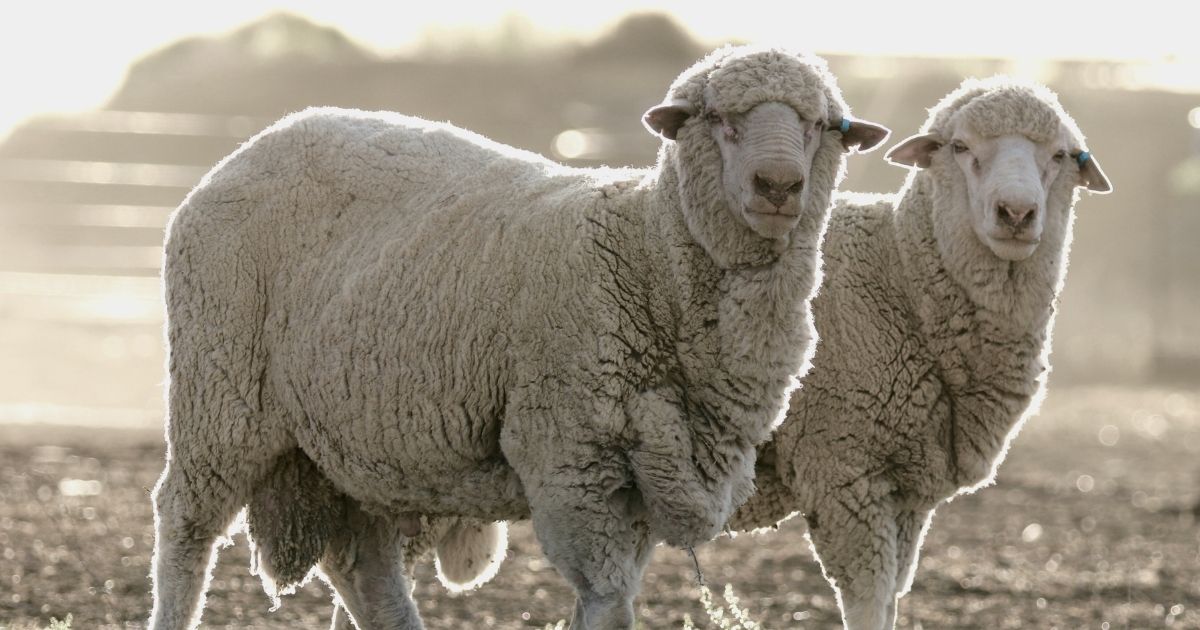
Spain once guarded Merino sheep like a state secret. Now it is trying to rescue them from a quieter threat: a market that stopped paying for wool. The Spanish merino wool revival is being driven by a mix of sustainability, luxury fashion, and rural survival, as breeders and designers push to restore value to a fibre that helped shape Spain’s economic history.
This is not just a style story. It’s an argument about what Spain’s countryside is for, who gets to make a living there, and whether “natural” materials can compete in a world trained to buy cheap and fast.
A global breed with a Spanish origin story
The Merino’s beginnings are still debated by researchers, but what’s widely accepted is that the breed was refined in Spain over centuries, selected for wool fineness and consistency. For a long time, the Crown restricted exports because Merino wool was a strategic asset. When animals were eventually exported in the 18th century, the genetics spread worldwide — and today huge Merino populations abroad trace back to Spain’s flocks.
That long arc matters because it explains the odd contradiction of modern Merino: the world sells Merino as premium, but Spanish shepherds often struggle to get paid for the raw material.
The real crisis was not the sheep. It was the price
From the mid-20th century onwards, wool prices collapsed as synthetics took over wardrobes. In many areas, wool became a by-product while costs rose, successors disappeared, and farming shifted towards faster returns. RTVE describes how the breed remained important, but wool alone stopped paying the bills.
When wool loses value, a chain reaction follows. Flocks shrink. Traditional knowledge fades. Rural depopulation accelerates. And landscapes change, because grazing has always been a form of land management as much as food production.
The strategy: make Spanish wool “provable” again
The new push is built around quality and traceability, not nostalgia. Spain’s Merino breeders’ association positions its work around conservation and improvement of the breed, and official breeding programmes approved by Spain’s agriculture ministry set out structured goals for the population.
There is also a science component. Work linked to the University of Córdoba has focused on genetic improvement approaches for Spanish Merino in a cooperative context, reflecting the wider push to raise and standardise fibre quality across flocks rather than relying on a few standout farms.
In plain terms: if Spain wants buyers to pay more, it needs wool that is consistently fine, reliably processed, and easy to certify.
Why luxury fashion is getting involved
High-end fashion is one of the few markets that can pay enough to pull a rural fibre back into profitability. Spanish designer house Oteyza has framed its Merino work as a long-term attempt to rebuild a national wool culture, linking craftsmanship with innovation and a tighter supply chain.
That approach is significant because it treats wool as a strategic material again. Not “farm waste”, but the starting point of a value chain that can keep more money in Spain — from fleece to fabric to finished garment.
The countryside angle: wool as land care, not just cloth
There’s another argument running alongside fashion: biodiversity and fire risk. Grazing keeps scrub in check, maintains open habitats and supports mosaics of pasture and woodland that can be healthier than abandoned land. RTVE also highlights how Merino sheep link to landscape stewardship and rural life, which is increasingly part of how the breed is being “sold” to modern consumers.
That’s where transhumance re-enters the story. The seasonal movement of flocks along historic routes is not just heritage theatre; it’s a functioning system of extensive grazing. UNESCO lists transhumance on its Intangible Cultural Heritage register, recognising the practice across multiple countries, including Spain.
The hard part: competing with synthetics and imported Merino
The Spanish merino wool revival has momentum, but the market still rewards cheap fibres and high-volume supply. Spain is trying to rebuild a premium lane: higher standards, stronger provenance, and partnerships that bring processing and design closer to the farms.
Whether that becomes a true turnaround will depend on something unfashionable: boring infrastructure. Sorting, washing, spinning, weaving, logistics, contracts, and long-term buying commitments. Without those, “support rural wool” stays a slogan.
Andalucia and beyond: why this story will keep growing
This is also a story that is likely to show up more often in Spain’s drought-and-depopulation debate. If policymakers want rural areas to stay inhabited, they need industries that work with the land, not against it. Merino farming, done well, is one of the few models that can link environment, heritage and income in a single chain.
Spain’s Merino once reshaped the world. The question now is whether Spain can rebuild enough of that value at home — and persuade modern shoppers that real fibre, with a real origin, is worth paying for.