 Lorraine Williamson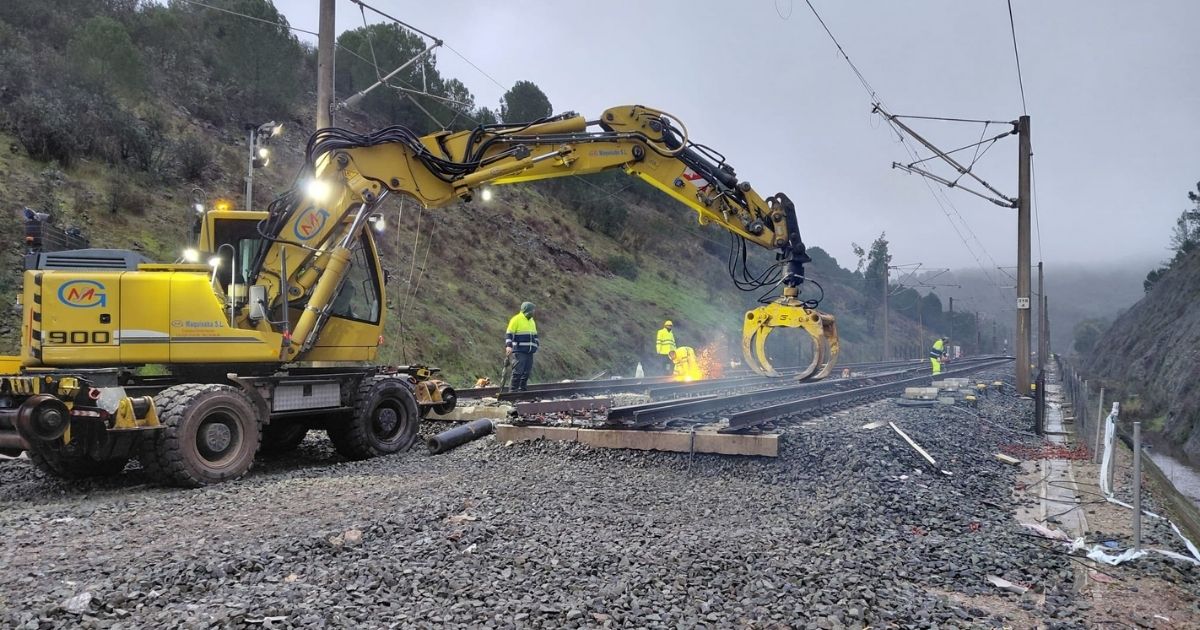
The Adamuz train crash inquiry is still in its early, evidence-gathering phase, according to a first report delivered by Guardia Civil investigators to the court in Montoro (Córdoba). The key point is blunt: the cause has not been pinned down yet — and the report keeps eight working scenarios open while crucial technical checks remain outstanding.
That doesn’t mean eight equally likely causes. It means investigators are trying to avoid locking onto a single narrative before the hard data is in — especially the analysis of rail fragments and the download of “black box” information from the trains involved.
Why the focus is on the track
The clearest line of inquiry centres on the infrastructure at the precise point of the derailment. The report examines whether the accident began with a rail fracture, a defective weld, or a wider issue involving the surrounding track system — sleepers, ballast, and fixings.
Investigators have requested documentation linked to the works carried out on that stretch, including tender and contractor paperwork, and identification of staff involved in weld work. They are also seeking technical details about the batch and origin of the rail used in the area.
Maintenance, oversight and “human factors”
Alongside the infrastructure questions, the report also explores whether gaps in prevention, inspection routines or supervision could have allowed a developing fault to go undetected. In other words, the inquiry is looking not only at what failed, but at whether anything should have spotted the warning signs earlier.
A “human error” scenario is not excluded, but early reporting suggests investigators see it as less central at this stage, partly because train driver drug and alcohol checks reported so far do not indicate obvious impairment.
Why “sabotage” is mentioned — and what it does and doesn’t mean
Some headlines have focused on the report’s reference to sabotage or even terrorism. The crucial point for readers is that this language appears because investigators have asked about laboratory capability to detect traces that could indicate tool use or corrosive/explosive substances — not because any such evidence has been confirmed.
Put simply: the Adamuz train crash inquiry is keeping doors open until forensic testing can close them. That is normal in a major fatal investigation, especially before independent expert reports and lab results are complete.
The missing pieces that matter most
Two strands will shape the next phase:
First, the forensic and engineering analysis of rail and weld fragments taken from the site. Second, the court-authorised extraction of technical data from the trains’ recording systems, which investigators say they cannot complete until judicial custody rules allow it.
Meanwhile, the legal side of the case is growing. Earlier this week, El País reported dozens of victim complaints filed with the investigating court, with more expected as injured passengers decide whether to join the proceedings formally.
Working through the evidence
The next milestone is the lab work. If it strongly supports a track fracture or weld failure, attention will likely turn to maintenance schedules, inspection regimes and the chain of responsibility for infrastructure works. If results complicate that picture, the inquiry has already mapped other routes — including rolling stock issues or incidents involving earlier trains on the line.
For now, the most accurate reading is also the least dramatic: investigators are working through the evidence carefully, and the public still does not have definitive answers.