 Lorraine Williamson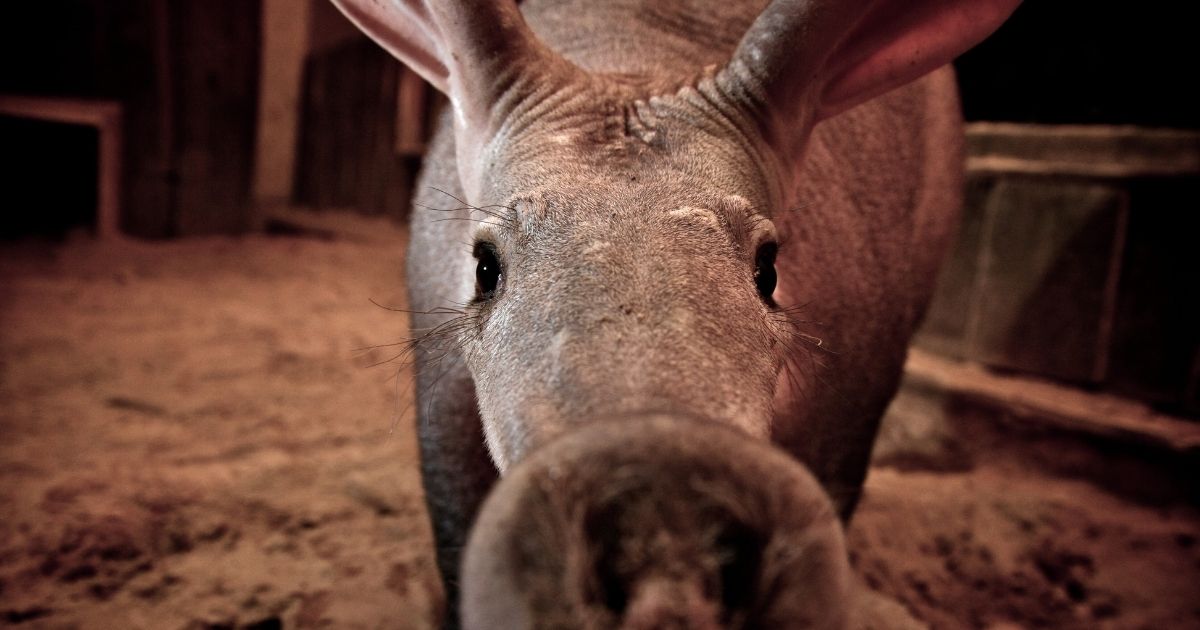
A new arrival at Bioparc Valencia isn’t the sort of baby most visitors expect to celebrate. No big eyes. No instant cuteness. Just a wrinkled, nocturnal specialist that spends its life tunnelling through soil and hunting termites in the dark.
That is precisely why this week’s Bioparc Valencia aardvark birth matters.
The park says a healthy calf has been born weighing just over 1.6 kilos, and that it brings the total to 11 aardvark births since Bioparc opened in 2008 — a standout record for a species considered notoriously difficult to breed in human care.
For now, the youngster is not on public display. Keepers are following a strict monitoring protocol, keeping mother and calf in a quiet off-show space during the crucial early weeks.
Why this animal is rarer than it looks
The aardvark (known in Spanish as oricteropo or cerdo hormiguero) is often described as a biological oddity — the so-called “Frankenstein animal”, because it seems stitched together from other creatures: pig-like snout, rabbit-like ears, kangaroo-ish tail, and heavy digging claws.
But its real uniqueness isn’t the face. It’s the family tree.
The aardvark is the only living member of its entire mammal order, Tubulidentata, which makes every healthy birth a small boost for a lineage that has been evolving on its own for millions of years.
A delicate start behind the scenes
Bioparc’s team says calm is essential because aardvarks are easily stressed and the early weeks are a vulnerable stage. The calf is nursing and being closely checked as it grows, while staff keep disruption to a minimum.
It’s a reminder that zoo conservation work rarely happens in the public eye. Often it’s quiet husbandry: temperature control, diet adjustment, careful observation, and letting natural behaviour take the lead.
Built for the night shift
In the wild, aardvarks are nocturnal burrowers. They sleep underground by day and forage at night, feeding mainly on ants and termites, using powerful claws to break into nests and a long, sticky tongue to collect prey.
That lifestyle is one reason breeding can be challenging. Aardvarks need the right environment, the right rhythms, and a diet that supports a highly specialised insect-eating biology.
What Bioparc wants this birth to represent
Bioparc positions the birth as part of its broader conservation mission, tied to coordinated breeding programmes and collaboration with other institutions to support genetic diversity and long-term population resilience.
In a world where biodiversity loss often feels abstract, a 1.6-kilo calf in a quiet enclosure in Valencia is a tangible example of what “conservation” can look like — meticulous, patient, and quietly hopeful.
When will visitors see the baby?
There’s no fixed date yet. The park says the priority is welfare, and the calf will only be shown when the team is confident it can cope with the noise and movement of public viewing.