 Lorraine Williamson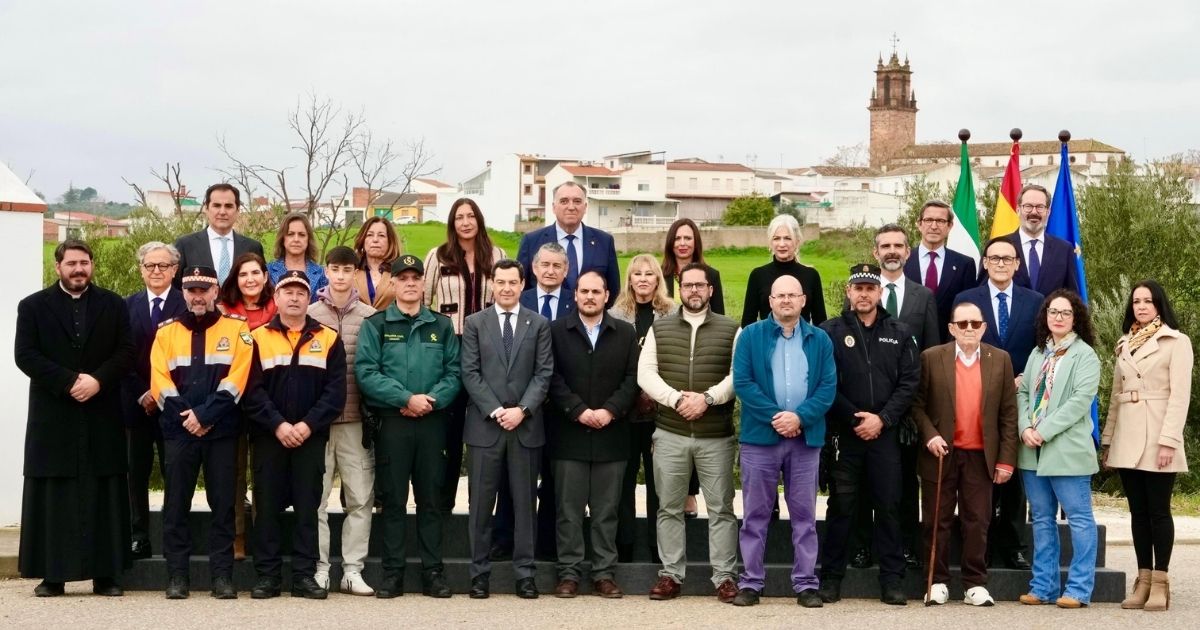
A month after the Adamuz rail disaster, the Adamuz train crash investigation is shifting from shock to procedure — the slow, technical machinery that decides how quickly evidence is tested, who is allowed into the case, and when families might finally get firm answers.
Spain’s Court of Instruction No. 2 in Montoro (Córdoba) has now received 34 formal complaints from victims and has opened 148 preliminary case files, triggered largely by medical reports submitted through official channels.
The decisions that will shape the case
The judge still has several big procedural calls to make. Among them are whether to admit popular prosecutions (acción popular), whether to appoint independent experts, and which laboratory should be tasked with analysing key physical evidence linked to the track.
Prosecutors have also argued that the train data recorders — often described as the “black boxes” — should be opened under judicial supervision, with an additional independent engineering assessment running in parallel to the official technical inquiry.
Why the “black box” data still hasn’t been extracted
Alongside the court case, Spain’s rail accident body, the CIAF, is conducting a technical investigation. But it has repeatedly stated that key steps — including extracting data from onboard recorders — remain dependent on judicial authorisation.
A CIAF note published by Spain’s Transport Ministry sets out the status of that technical work and the limits imposed while the judicial process is underway.
El País has also reported that the technical team invited the EU rail agency (ERA) to observe the process, a move framed as a transparency measure while the inquiry waits to access critical data and finalise lab testing.
Victims: “We feel forgotten”
For survivors and bereaved families, the legal numbers are only part of the story. In recent interviews, victims describe anxiety, sleeplessness, and frustration with bureaucracy while trying to organise collectively to share information and push the case forward. Renfe has said it is assisting 151 people through its support plan.
Andalucian president Juanma Moreno has also framed Adamuz as more than a transport tragedy, announcing that this year’s Medalla de Andalucía a los Valores Humanos, la Solidaridad y la Concordia will be awarded to the town. In a message posted on X, he said residents had sent “so many requests” for the honour and that awarding it to Adamuz was “only just” — a gesture he described as heartfelt and shared across the region.
The political aftershock in Andalucia
The crash has also triggered political commitments in Andalucia. Juanma Moreno has announced a two-year follow-up commission, presented as a way to monitor support for victims and keep rail infrastructure on the agenda, alongside a symbolic honour for Adamuz.
Lessons and accountability
The case is now at the stage where process becomes momentum. If the court moves quickly on expert appointments, lab selection, and controlled access to recorder data, the investigation can begin to produce hard conclusions rather than headlines.
For victims, that matters for one reason: not only to understand what happened, but to ensure the lessons — and any accountability — are strong enough to prevent a repeat.