 Lorraine Williamson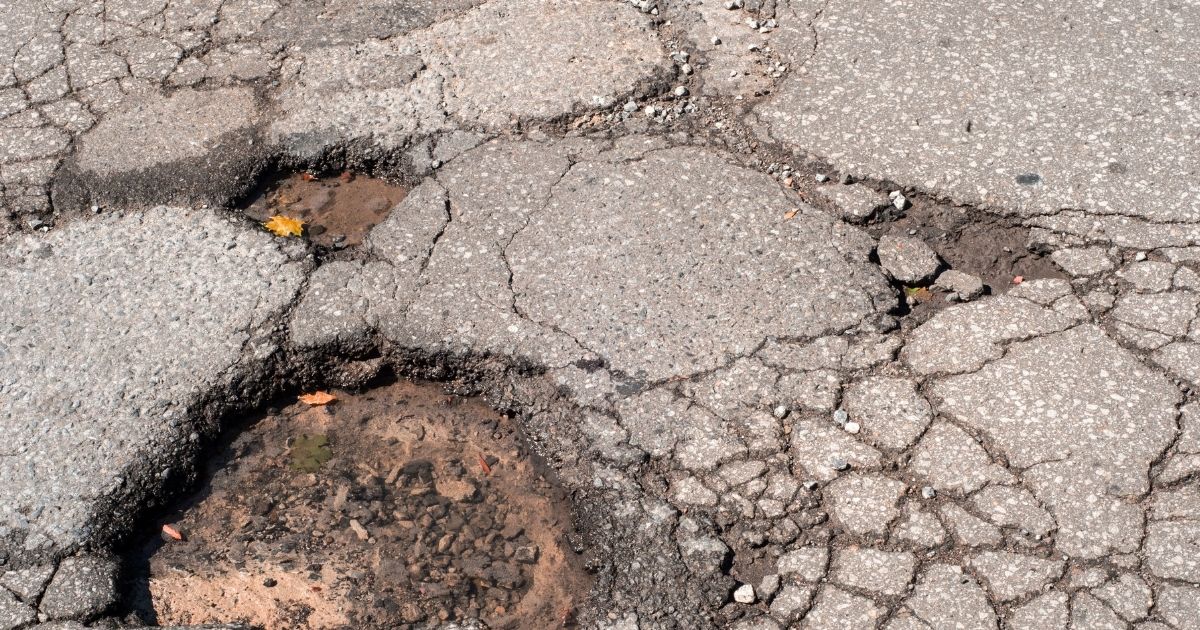
Across parts of Spain, drivers are encountering a new hazard on familiar routes. What were once minor potholes have widened into deeper road collapses following recent storms, exposing long-standing concerns about maintenance and infrastructure investment.
Transport companies, commuters and local residents say the combination of heavy rain and ageing road surfaces has created sudden depressions, uneven asphalt and sections of carriageway that now require urgent repair. The issue is not confined to one region but is being reported on major routes across the country.
According to reporting by 20minutos, the problem reflects a wider deterioration in Spain’s road network after years of deferred maintenance.
A problem emerging across major routes
Drivers on the A-49 in Huelva province have reported large holes and weakened road surfaces, while on the A-4 near Despeñaperros, motorists describe stretches of damaged asphalt and sudden depressions. These are key transport corridors used heavily by freight traffic, increasing the risks when road surfaces fail.
Further east, parts of the A-7 in Málaga province have also seen significant deterioration. Regional reports describe numerous damaged sections along the coastal motorway, with uneven surfaces and potholes becoming harder to spot during rainfall.
For drivers, the result is not only inconvenience but concern about safety and vehicle damage. Tyres, suspension systems and wheel rims are among the most commonly affected components when vehicles hit deep road defects.
Why rain causes rapid deterioration
Heavy rain can accelerate road damage when water seeps into small cracks in the asphalt. As moisture penetrates the surface, it weakens the underlying layers and washes away supporting material. Over time, this can lead to larger collapses or depressions.
Recent storms have compounded the problem in several regions. In parts of Andalucía, including areas of the Axarquía, local authorities have temporarily closed roads because of landslides, mud or falling rocks. Standing water has also created hazardous driving conditions in some locations.
Experts say regular maintenance and resurfacing programmes can reduce the risk of severe damage developing. However, when repairs are delayed, deterioration can accelerate quickly during periods of heavy rainfall.
Widespread concerns about infrastructure condition
Transport and industry organisations have repeatedly warned that Spain’s road network requires significant investment. Figures cited in national reporting suggest that a large proportion of the network is now in poor or very poor condition, with the number of severely damaged kilometres increasing in recent years.
The impact extends beyond safety. Businesses reliant on road transport report higher costs linked to vehicle wear, repairs and fuel consumption. For private drivers, unexpected damage to tyres or suspension can also be costly.
At the same time, Spain has one of the older vehicle fleets in Europe, meaning many cars may be more vulnerable to damage on deteriorating roads. This has prompted renewed calls for sustained maintenance programmes and infrastructure upgrades.
Calls for repairs and longer-term planning
Industry representatives and transport groups are urging authorities to prioritise structural repairs and preventative maintenance, particularly on busy motorways and freight routes. The aim is not only to fix existing damage but to strengthen roads against future extreme weather.
As Spain experiences more intense rainfall events in some regions, the resilience of infrastructure is likely to become an increasingly important issue. For drivers, the immediate priority is awareness: reduced speeds, caution in wet conditions and attention to road-closure notices can help reduce risks.
The recent deterioration of several major routes has brought renewed attention to the state of Spain’s roads. Whether it leads to a broader investment push remains to be seen, but the issue is now firmly back in public discussion as the country moves towards the wetter months of the year.