 Lorraine Williamson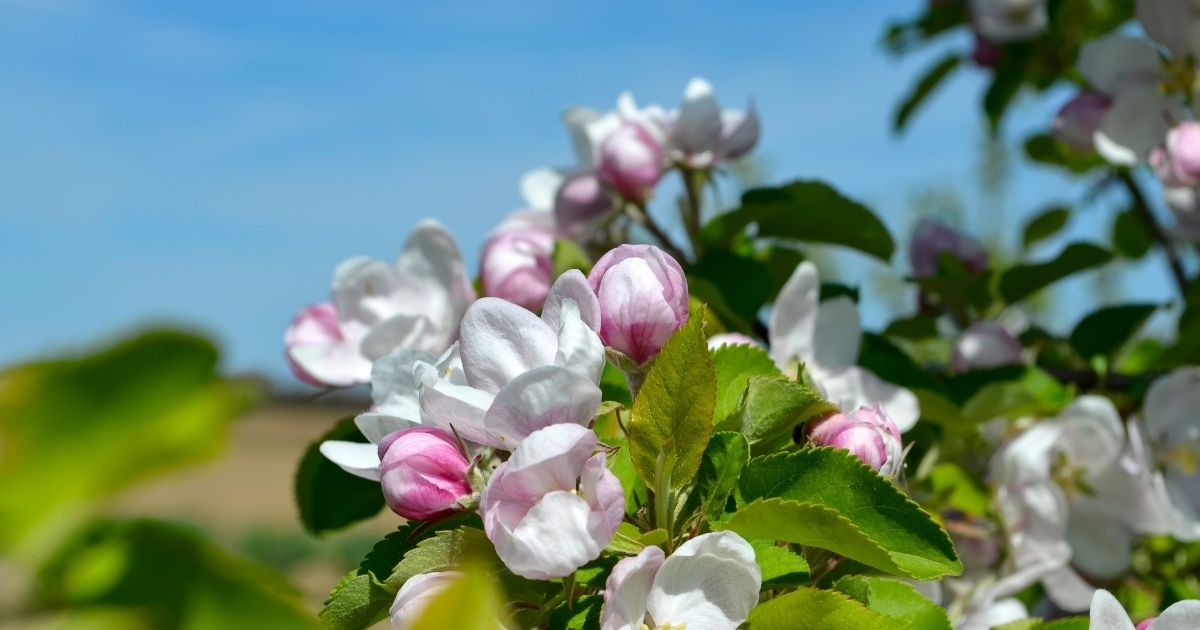
February in Spain has its own rhythm. The crowds of summer feel far away, yet the country is quietly shifting towards spring. Days stretch a little longer, café terraces fill again, and the first blossoms begin to colour the countryside. For residents and long-term visitors, this is often one of the most enjoyable months of the year.
The February lifestyle in Spain is about small pleasures rather than big events. Markets brim with seasonal produce, local fiestas begin to appear in town squares, and there’s a sense of calm before the spring travel rush. It’s a month that rewards slowing down and paying attention to everyday life.
Longer days and outdoor living return
By mid-February, daylight is noticeably increasing. Evenings linger just enough for a post-work paseo, and many coastal areas already feel warmer when the sun is out. In Andalucía and along the Mediterranean, terraces are filling again at lunchtime.
This gradual return to outdoor living is one of Spain’s most appealing seasonal shifts. Locals start to reclaim parks, promenades and plazas. It’s not yet hot enough to rush indoors, but the coldest winter days are usually behind us.
For many residents, February is when routines reset. Walks become longer. Weekend drives into the countryside feel more inviting. The pace remains gentle, but the mood lifts.
Markets at their best
February is a strong month for seasonal produce. Citrus fruits are at their peak, with oranges, mandarins and lemons dominating market stalls. Avocados, artichokes and leafy greens are also widely available, particularly in southern regions.
Local markets feel especially vibrant at this time of year. There are fewer tourists, more space to browse, and a strong sense of everyday community life. Shopping locally is not just practical; it’s part of the social rhythm of Spanish towns.
Many residents use this month to return to simple, seasonal cooking. Warming stews, fresh salads and citrus-based desserts all feature heavily in February kitchens.
Early signs of spring
Across parts of Spain, almond blossom begins to appear from late January through February. In regions such as Murcia, Valencia and parts of Andalucía, the countryside slowly turns pale pink and white.
These early blossoms are often the first visible sign that winter is loosening its grip. Weekend walks and countryside drives become popular again, especially on clear days. Even in cooler northern regions, gardens and parks begin to show early growth.
This seasonal shift often changes how people use their time. Outdoor cafés become busier. Local walking routes fill up again. There’s a renewed sense of movement after the quieter winter weeks.
Local festivals and everyday traditions
February is also a month of smaller, local celebrations. Carnival season begins in many towns, bringing colourful parades, music and community events. While larger cities host well-known festivities, smaller municipalities often offer a more traditional atmosphere.
Beyond organised events, everyday traditions continue to shape daily life. Morning coffee at the neighbourhood bar, fresh bread from the bakery, and evening strolls remain central to the Spanish lifestyle. These routines become more visible again as the weather improves.
For those living in Spain year-round, February is a reminder of why the country’s lifestyle is so appealing. It’s less about headline events and more about the consistent quality of life.
A month to reset before spring
February sits between winter and spring, offering a quieter moment before the busier months ahead. It’s a good time to explore local areas without crowds, try seasonal food, and settle back into outdoor routines.
As the days lengthen and temperatures gradually rise, Spain begins its slow transition into spring. The February lifestyle in Spain reflects this shift: calm, local and quietly optimistic.
For many, it’s one of the most comfortable times of year to enjoy daily life — not rushed, not crowded, but full of small seasonal pleasures that make living in Spain feel distinctive.