 Lorraine Williamson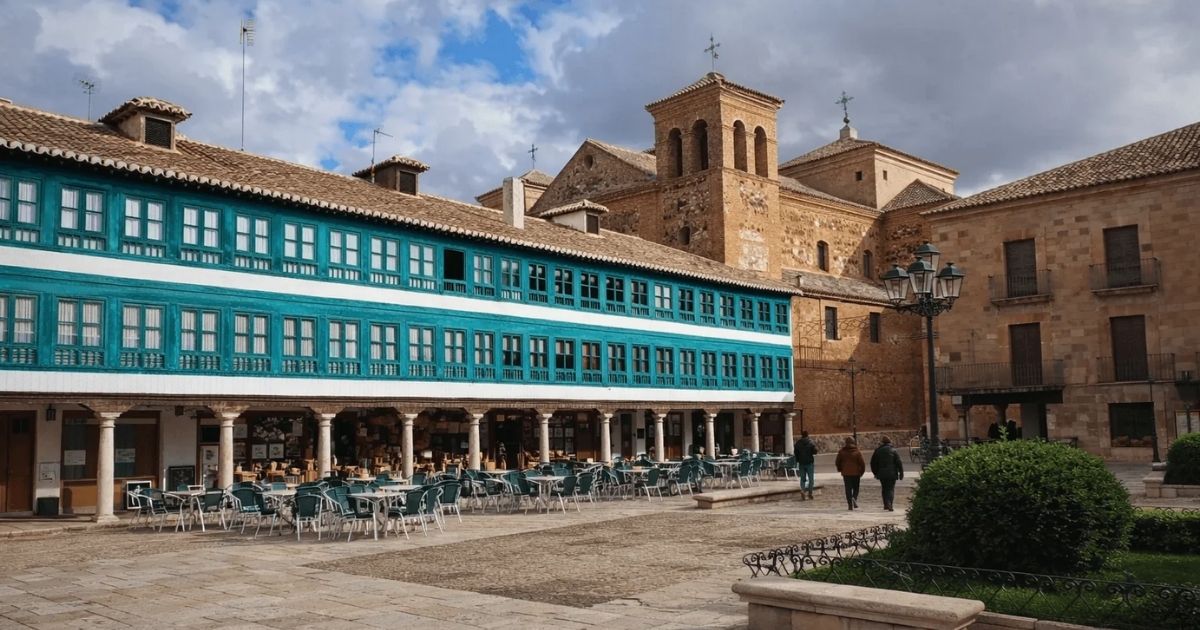
Spain doesn’t have a shortage of beautiful places. It has more than 8,000 municipalities. Yet when Friday afternoon rolls around, the same villages keep floating to the top of weekend plans — not just in travel media, but in the quick, impatient world of search.
A recent ranking published by Noticias del Vino lists 50 of the country’s most “famous” villages and sets out why they pull in visitors year after year. The top ten reads like a guide to how weekend travel works in 2026: short journeys, high visual reward, and places that feel complete even if you only have half a day.
The real reason these places dominate weekend search
If you look past the names, the pattern is surprisingly consistent.
These villages tend to offer one strong “hook” you can picture before you arrive. A circular plaza. Windmills on a ridge. A castle that owns the skyline. A gorge that turns every street into a viewpoint. They’re easy to sell to yourself in one sentence, which is exactly how most weekends are decided.
They also fit a broader travel shift. Spain saw record levels of overnight stays in non-hotel accommodation in 2025 — apartments, rural stays and campsites — as travellers looked for flexibility and value. Short breaks feed that trend, especially when hotel prices rise, and people start splitting time between day trips and one-night escapes.
The ten villages everyone keeps clicking on
Rather than a straight countdown, it makes more sense to see the top ten as four types of weekend magnet — each with a different promise.
1) The plaza places: where the weekend starts with a square
Some villages win because they offer a ready-made centre. You arrive, sit down, look up, and feel you’re “somewhere”.
Chinchón is the headline act here. Its Plaza Mayor, ringed with wooden balconies, is the kind of place that photographs itself — and it’s close enough to Madrid to be a low-effort yes.
Almagro draws for similar reasons, but with a cultural edge. Its historic theatre tradition and distinctive central architecture give it an identity beyond being merely pretty.
Tembleque is the quieter cousin — a classic Castilian plaza that appeals to people who want “real Spain” in a single frame.
Lerma, meanwhile, feels almost grand rather than cosy. It’s a place for slow walking and big spaces, the kind of stop that suits a Castile and León road trip as much as a weekend dash.
2) The skyline sellers: villages built around one unforgettable view
Other places are pure silhouette.
Consuegra is the most obvious example: windmills lined along the Cerro Calderico, with the castle beside them like a companion piece. It’s an image people already have in their head before they set off, reinforced by official tourism coverage of the site and the wider “windmill routes” of Castilla-La Mancha.
Belmonte works the same trick through fortress drama. One castle. One skyline. One strong reason to go.
Ciudad Rodrigo flips it into walls and ramparts, a border town feel where the fortifications and views do the heavy lifting.
3) Landscape theatre: when the setting does half the storytelling
Then there are the villages where geography is the attraction.
Alcalá del Júcar clings to rock above the river, with houses that seem to borrow the cliff as an extra wall. It’s the kind of place people post because it looks improbable.
Tordesillas is less visually extreme, but it adds the river and a historic centre that people actually want to wander. Its global claim to fame — the 1494 treaty — gives it an easy “tell someone later” story.
4) The “plot twist” stop: pilgrimage, Gaudí and unexpected Spain
Astorga is the outlier that makes perfect sense once you think about it. It sits on the Camino de Santiago, so it already has built-in footfall and a travel rhythm. Add a Gaudí-designed episcopal palace and Roman traces, and you have a town that feels like several different Spains stacked together.
How to visit Spain’s most visited villages without feeling like you’re in a queue
If you’re going to chase Spain’s most visited villages, timing is everything.
Arrive early, do the iconic viewpoint first, then pivot away from the postcard street. Eat later than the day-trippers. Walk one neighbourhood beyond the centre. These villages become popular because they compress beauty into a small space, meaning the best moments often happen just outside the obvious frame.
And if you can go midweek, even once a month, you’ll understand why locals love these places when the algorithms aren’t watching.
Spain´s magical villages
Source note
The top ten referenced here comes from Noticias del Vino’s wider ranking of 50 popular villages across Spain.