 Lorraine Williamson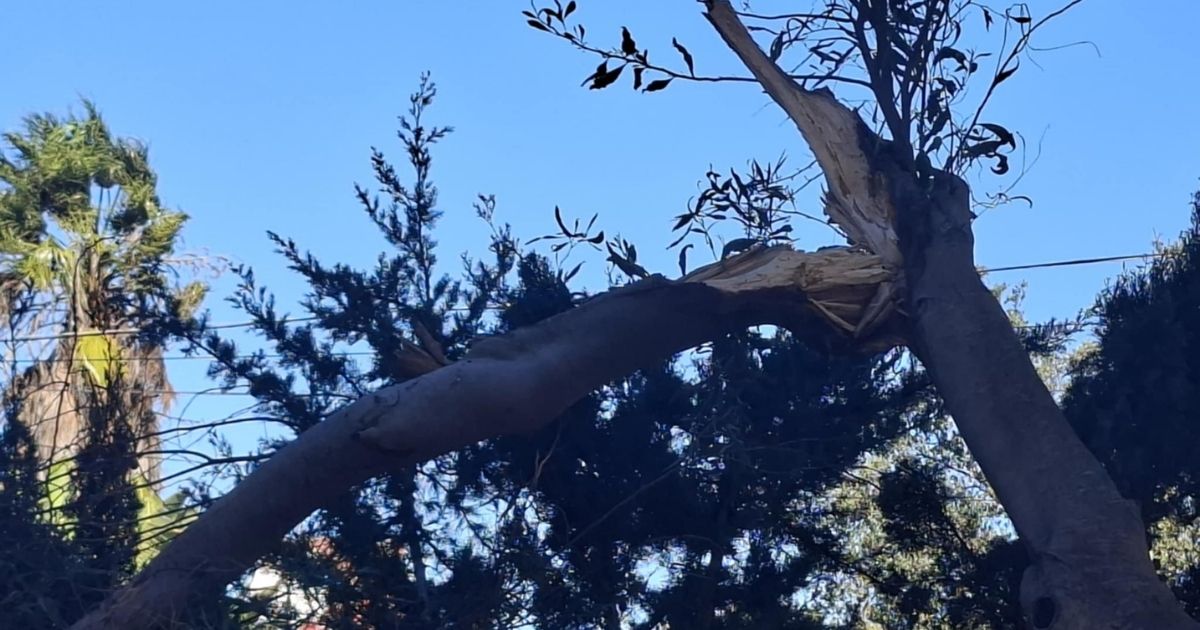
Saturday’s storm story has moved fast from forecast to disruption. Storm Oriana disruption is now being felt most sharply along Spain’s eastern corridor, where hurricane-force gusts have forced rail suspensions, triggered traffic restrictions, and left emergency services dealing with hundreds of incidents linked to falling trees and flying debris.
The most serious conditions remain in Castellón, where AEMET’s highest wind warning has coincided with gusts reported at 172 km/h in parts of the province.
Rail shock: Renfe suspends key Mediterranean routes with no alternative service
Renfe has suspended multiple services across the Mediterranean Corridor for the full day on Saturday, affecting long-distance routes such as Euromed and Intercity, as well as regional services in the Valencia–Castellón area. Several reports note that no replacement transport has been put in place for some suspended routes, leaving passengers stranded or forced to replan at short notice.
For a country where weekend travel often hinges on the coastal rail spine, it is a significant knock-on effect — and a reminder that high winds can shut networks even when rainfall is easing.
Road restrictions: 80 km/h cap and overtaking limits in Castellón
Spain’s traffic authority has introduced special measures across Castellón province, including a temporary 80 km/h speed limit and restrictions on overtaking for heavy vehicles, as gusts increase the risk of high-sided vehicles losing stability.
The warning is not theoretical. Local coverage reports lorries overturning and lane closures on key routes, alongside multiple incidents involving street furniture and construction elements being blown loose.
Es-Alert warnings and hundreds of callouts: “stay indoors if you can”
Emergency messaging has been reinforced via Es-Alert in parts of the Valencian Community, urging residents to avoid unnecessary travel and outdoor activity during the worst hours.
In Castellón de la Plana alone, local police and firefighters dealt with around 300 incidents linked to the wind, while municipal emergency planning has led to the closure of parks and the suspension of outdoor activity in affected areas.
Across Spain, the same pattern has played out at a smaller scale: a calmer moment can still produce sudden damage. On the Costa del Sol, for example, residents reported trees cracking and heavy branches dropping during morning outings — a near-miss that underlines why officials keep repeating the same advice: don’t shelter under trees, and avoid parks when gusts pick up.
A less obvious risk: extreme fire danger despite winter cold
One of the more counterintuitive side effects of Oriana is that strong, dry wind can drive extreme wildfire risk even in February. The Valencian Community has activated its highest pre-emergency level for forest fire risk, including bans on fire and restrictions on certain work in forested zones.
Gradual improvement
National forecasts suggest a gradual improvement into Sunday, but Saturday is still very much “live” — and the day’s most important updates are now about transport, road safety, and incident totals, not just rainfall.
If you’re travelling today, check operator updates before leaving, plan for cancellations, and treat Es-Alert messages as urgent — because in winds like these, the danger often comes from what breaks, not what falls from the sky.