 Lorraine Williamson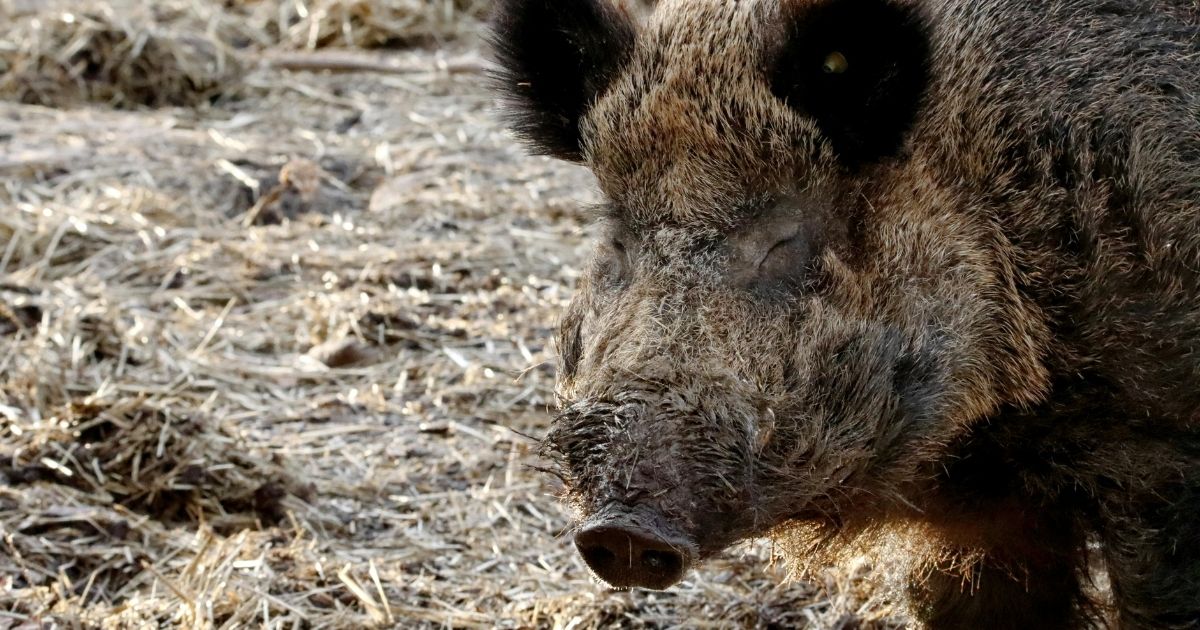
For months, Catalonia’s African swine fever outbreak had a grim consistency: wild boar, a defined perimeter, and repeated assurances that farms were untouched. That fragile certainty has now shifted.
Catalan authorities have confirmed two new positive cases in wild boar outside the original six-kilometre “zone zero” linked to the first focus in the Collserola hills. The animals were detected in the Molins de Rei / El Papiol area of metropolitan Barcelona, and while officials stress there are no pig farms in that immediate zone, the move beyond the initial radius forces a tighter, more complicated containment phase.
Why these two cases matter more than the headline suggests
African swine fever is not a risk to humans, and it does not make pork unsafe to eat. The danger is economic and logistical: the virus spreads efficiently among pigs and wild boar, and any loss of control can trigger trade restrictions or prolonged market uncertainty.
Spain’s pork sector has good reason to be nervous. Industry voices in Catalonia warn that every new positive delays recovery and weighs on prices, with export markets watching closely.
What authorities are doing on the ground
The response isn’t just paperwork. Measures reported in the affected municipalities include intensified carcass search and removal, disinfection steps, and expanded surveillance — including tools such as drones and assessments of wild boar density aimed at slowing the spread.
At the same time, Catalonia has already been operating under restrictions designed to cut human and animal movement risks in affected natural areas, alongside reinforced biosecurity expectations for farms within the wider surveillance zones.
“Outside zone zero” doesn’t mean “out of control” — but it raises the stakes
A key nuance: the new positives sit outside the tightest ring, but still within the broader surveillance framework that has been in place since the outbreak began. Even so, moving beyond the initial radius often makes containment harder because it increases the number of access points — roads, green corridors, peri-urban zones — where infected animals can travel and where monitoring becomes more complex.
That is why authorities have added municipalities like Molins de Rei and El Papiol to higher-risk planning and are reinforcing controls, even as they insist the domestic pig sector remains unaffected so far.
What to watch next
The immediate question is whether new positives keep appearing beyond the original perimeter in the coming days. If they do, expect further expansion of high-risk zones and tougher controls on access and movement in surrounding natural areas.
The other line to track is the one the pork sector cares about most: confirmation that no farm outbreaks are present. So far, official briefings continue to stress that the detections remain confined to wild boar.
For now, the outbreak has entered a more delicate phase — not because it threatens consumers, but because it tests whether Catalonia can keep the virus pinned to wildlife without it bleeding into the supply chain Spain depends on.
Sources: Reuters, El País, Ministerio de Agricultura, GenCat