 Lorraine Williamson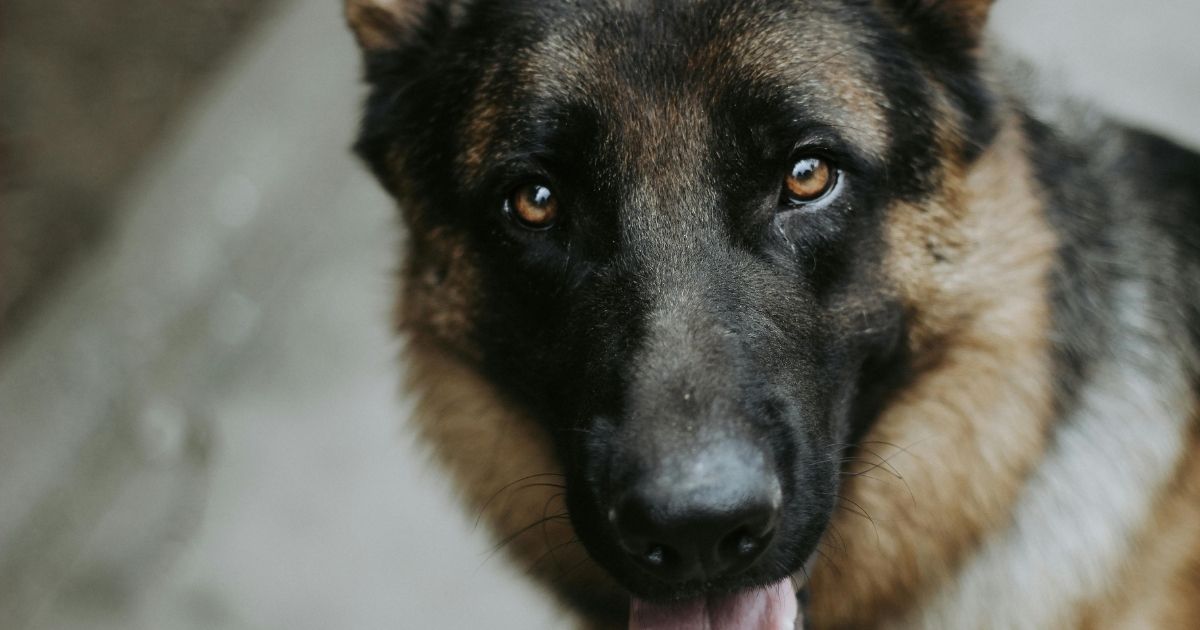
At Madrid-Barajas, some of the airport’s most effective security staff don’t wear uniforms. They work on four legs, scanning baggage and cargo for drugs and explosives in minutes. But the Guardia Civil union AUGC says these detection dogs are being asked to deliver top performance while living in facilities that fall short of basic modern standards.
The complaint centres on the kennels used by around 15 Guardia Civil detection dogs at Adolfo Suárez Madrid-Barajas Airport, which the union says are suffering from damp, lack of maintenance and limited space.
The paradox: “elite” work, sub-standard accommodation
AUGC’s canine section argues the issue isn’t new — and that is precisely the problem. In comments reported in Spain, union representative Valentín Blanco says the facilities have been flagged before, but essential refurbishment has not happened.
One detail stands out: the union claims there are no proper partitions between kennel spaces, meaning dogs can remain in constant visual contact with each other, a set-up that can increase tension and make rest harder. It also points to ageing or broken fixtures.
Blanco’s comparison is blunt. If Spain’s environmental unit SEPRONA encountered similar conditions in a private setting, he argues, there would be consequences. (Infobae)
Why handlers say it’s also a security problem
The union is careful to frame its warning in operational terms as well as welfare.
Detection dogs work in loud, high-stimulus settings and need a clean, calm recovery space. Poor conditions, AUGC argues, can contribute to stress and health issues — and a stressed dog is less reliable. In an airport environment, that is a performance risk, not a cosmetic one.
It’s an argument many travellers will immediately understand: canine units are used because they are fast, accurate and flexible. If welfare conditions undermine that, the knock-on effects fall on security and efficiency.
A wider pattern of complaints about canine facilities
AUGC has raised similar concerns before. In 2021, the association publicly complained about the state of installations for the Guardia Civil’s canine service at El Pardo, citing neglect and a lack of maintenance resources.
That history matters because it suggests the Barajas case is not a one-off “bad building”, but part of a longer-running debate about budgets, priorities and the day-to-day realities behind high-profile security work.
What the union wants — and what hasn’t been answered yet
AUGC is calling for immediate investment to modernise the Barajas kennels and bring them into line with current welfare expectations for working dogs. It is also pressing for clearer accountability: who is responsible for maintaining the facilities, and what timeline exists for refurbishment.
At the time of writing, there has been no detailed public response addressing the specific claims about the Barajas kennels.
For now, the union’s message is straightforward: if Spain relies on these dogs as frontline security assets, their living conditions should reflect that — not work against it.