 Lorraine Williamson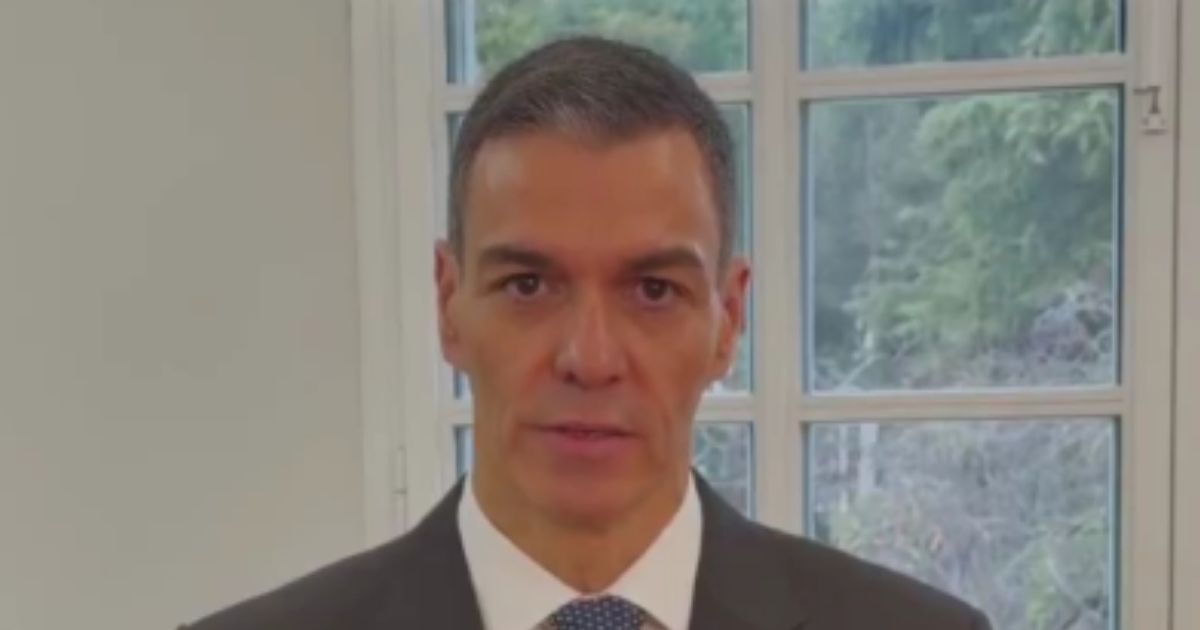
Spain is still grappling with the emotional and political aftermath of the devastating train crash near Adamuz (Córdoba) on 18 January, one of the deadliest rail disasters in the country’s recent history. The accident, in which two high-speed trains collided after a derailment, has left 46 people dead and hundreds injured, and has sparked an intense public and political demand for answers and action.
On 30 January, Prime Minister Pedro Sánchez addressed the families of the victims and pledged that the state will not abandon them or shy away from uncovering the truth behind the tragedy. Speaking at the forum “Mujeres liderando la ONU del siglo XXI” in Madrid, he assured relatives that authorities will “reach the end” of the investigation and implement all necessary improvements to prevent future accidents.
Sánchez reiterated that Spain’s institutions will continue working to answer families’ questions and provide sustained support so that, beyond their grief, they do not also face economic hardship or isolation. The president emphasised that “the state will not look the other way” and that action, not just words, is required.
Government response and criticism
The comments came a day after a funeral in Huelva, attended by King Felipe VI and Queen Letizia, for those who died in the crash. Several senior government figures represented the executive branch at the ceremony, though Sánchez himself did not attend, prompting sharp criticism from the opposition.
The main opposition party, the Partido Popular (PP), has seized on Sánchez’s absence and broader handling of the crisis to demand accountability and further scrutiny, even pressing for a new investigation committee in the Senate. Critics argue the government has been slow in acknowledging failures in rail safety and infrastructure investment.
In response, the Minister of Transport, Óscar Puente, defended the government’s actions before the Senate, outlining ongoing efforts to address systemic issues and maintain transparency as investigations continue. Puente also discussed the challenges posed by recent rail incidents and reiterated the need to restore public confidence in the network.
Compensation and ongoing inquiry
Alongside political and emotional fallout, the government has moved to provide financial relief to victims’ families. A €20 million compensation package was approved, offering up to approximately €216,000 per deceased person from combined government and insurance sources, and scaled payments for those injured.
Meanwhile, the official investigation into the collision — the first between two high-speed trains on Spain’s network — is focusing on technical and infrastructure factors, including a possible track fracture that led to the derailment. The Railway Accident Investigation Commission (CIAF) continues to gather evidence and technical data to determine what went wrong.
Coming weeks
As families seek closure and answers, the government faces deepening scrutiny over both the causes of the Adamuz disaster and the broader state of Spain’s rail safety regime. With political tensions rising and legal and technical investigations ongoing, the coming weeks will be critical in shaping public confidence in state institutions and the future of the nation’s high-speed rail network — a symbol of national pride now under the spotlight.
Sources: Europa Press, RTVE, 20 Minutos