 Lorraine Williamson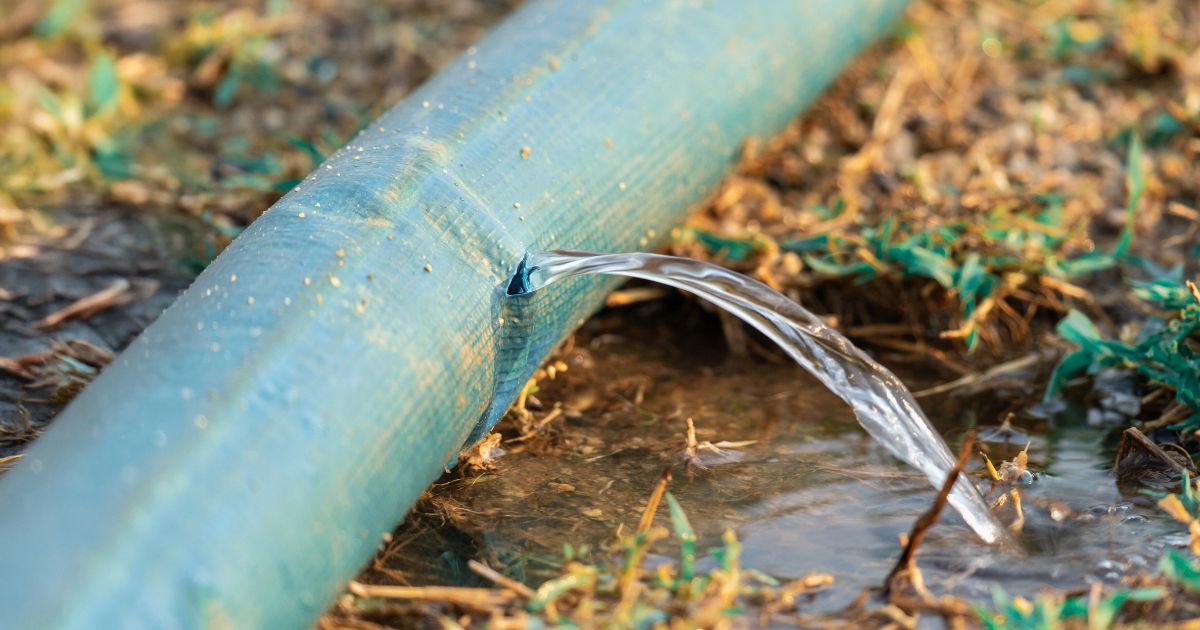
In the Alpujarras town of Órgiva, clean drinking water is disappearing underground at an alarming rate. Over just three months, around 17 million litres were lost through leaks, burst pipes and ageing infrastructure. For a village of its size, the figure is staggering.
The losses have triggered growing concern among local officials and residents alike. In a province already living with the realities of drought and water restrictions, watching potable water vanish into the soil has become both an environmental and financial headache.
An expensive problem that keeps resurfacing
According to the town council, the annual cost of wasted water is approaching €200,000. Mayor Raúl Orellana has described the situation as “structural”, warning that the problem has been left unresolved for decades. Each repair brings only temporary relief.
Maintenance teams continue to locate leaks, replace damaged sections and monitor meters. Yet the network’s age works against them. Much of the system was laid long before modern standards, and it simply cannot cope with current pressure levels. Even recently repaired sections are prone to failing again.
Consumption figures that do not add up
The scale of the crisis becomes clearer when looking at usage data. Deputy mayor José Miguel Herrera says Órgiva’s water consumption mirrors that of a city with more than 60,000 inhabitants. The town’s real population is only a fraction of that.
Residents are not using excessive amounts of water. Instead, the figures reflect what is being lost unseen. The discrepancy underlines how deeply flawed the system has become and why incremental fixes are no longer enough.
Private networks add another layer of risk
Beyond the municipal supply, the area is served by dozens of small private water networks. Many are outdated and fail to meet legal drinking water standards. Oversight is complex, responsibilities are fragmented, and leaks are harder to trace.
Water inspectors have previously raised concerns about the condition of these networks. Their poor state not only increases losses but also raises questions about water quality and long-term safety.
Political deadlock stalls long-term renewal
Plans for a comprehensive overhaul of the water network have already been drawn up. The proposal aimed to modernise supply lines and create a resilient, sustainable system fit for the future.
However, political divisions within the local council have blocked approval. For the governing group, the stalemate represents a missed opportunity. Water infrastructure, they argue, should rise above party politics. Without cooperation, the town remains locked into a cycle of patchwork repairs.
A warning sign for rural Spain
What is happening in Órgiva is far from unique. Across Spain, particularly in smaller municipalities, ageing water networks are struggling under the combined pressures of climate change, population shifts and decades of underinvestment.
In drought-prone regions like Andalucia, every lost litre matters. Without serious investment, millions more litres of treated drinking water will continue to be wasted. Órgiva’s experience offers a clear lesson: without structural solutions, rural water systems remain dangerously vulnerable.
Sources: El Debate, El Diario, El Independiente