 Lorraine Williamson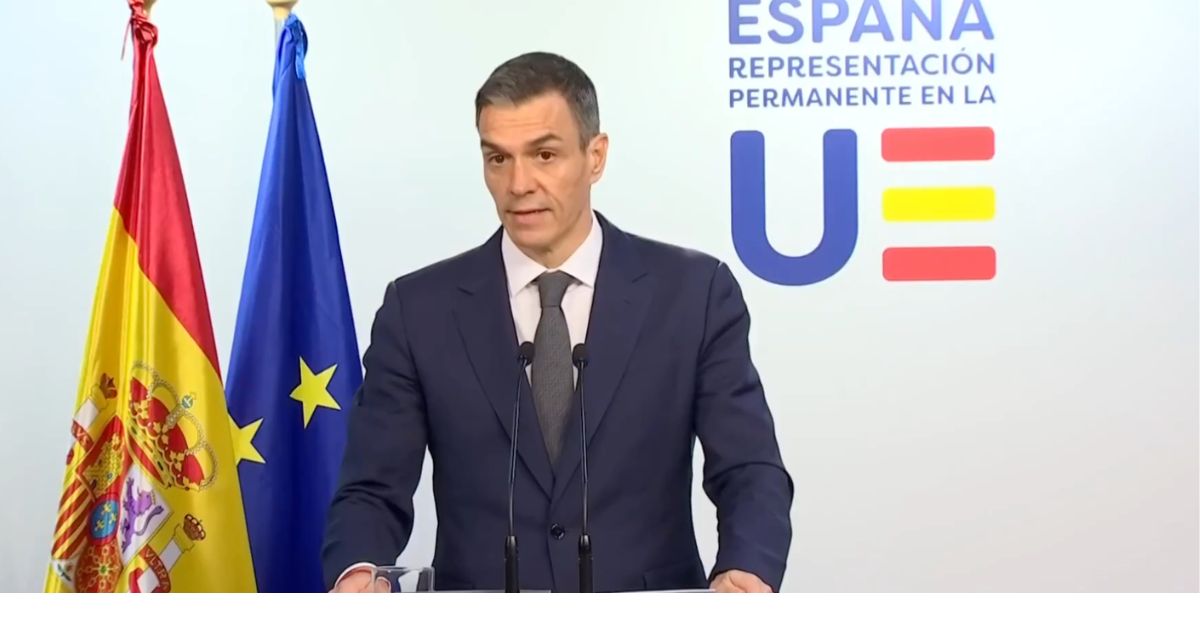
Spain has formally declined to join Donald Trump’s new Trump Board of Peace, with Prime Minister Pedro Sánchez arguing that any credible Gaza diplomacy must sit inside the UN system, not beside it.
Speaking in Brussels after an extraordinary European Council meeting on 22 January 2026, Sánchez said Madrid was turning down the invitation “for coherence” with Spain’s commitment to multilateralism, international law and the United Nations.
The refusal lands as European institutions and several capitals weigh how far Trump’s proposal could reshape international crisis-management — and whether it risks sidelining existing UN mechanisms.
What is the Trump Board of Peace?
Trump unveiled the initiative during the World Economic Forum in Davos, presenting it as a vehicle to broker ceasefires, manage security arrangements and coordinate post-conflict rebuilding — with Gaza positioned as its initial test case.
But the concept has attracted sharp scrutiny in Europe. A document attributed to the EU’s external action service raises concerns about governance and the concentration of authority at the top of the body.
Why Spain has said “no”
Sánchez’s core argument is institutional and political: Spain does not want to legitimise a parallel structure when, in its view, the UN is the only framework with broad international legitimacy for this kind of mandate.
He also pointed to substance. In Brussels, Sánchez noted that the proposal, as presented to Spain, does not include the Palestinian Authority, which Madrid sees as essential for any post-war governance discussion about Gaza’s future.
The wider EU unease
European concerns are not limited to symbolism. The EU document reported by Reuters flags a governance model that EU officials view as incompatible with European constitutional principles, warning about excessive power concentrated in the chair.
Germany signalled a similar position on 23 January 2026, with Chancellor Friedrich Merz saying Berlin cannot accept the plan “in its current form”, while leaving the door open to cooperation through alternative formats.
Who is joining — and who is holding back
According to Reuters, several Middle Eastern states have joined, while many of Washington’s traditional allies have not. Spain’s decision places it among the European countries declining to participate at this stage.
In practice, that sets up a split between countries prepared to trial a Trump-led structure quickly and those insisting that any durable settlement architecture must remain anchored to UN processes.
What this means for Spain’s Gaza stance
Spain is not stepping away from Gaza diplomacy. Its message is that engagement should run through the UN framework and recognised parties, rather than a new political forum with unclear lines of accountability.
That approach also helps Madrid remain aligned with the broader EU position: cooperate with the US where possible, but resist initiatives that appear to rewrite the rules for conferring international legitimacy.
A test of credibility — and a test of legitimacy
The next question is whether the Trump Board of Peace becomes a practical coordination tool with broad buy-in, or a contested parallel track that deepens divisions between Washington and parts of Europe.
For Spain, the calculation is straightforward: peace-making only works when the process is seen as legitimate by those who must live with the outcome — and, in Madrid’s view, that still means the UN.
Sources: La Moncloa, Reuters, El País