 Lorraine Williamson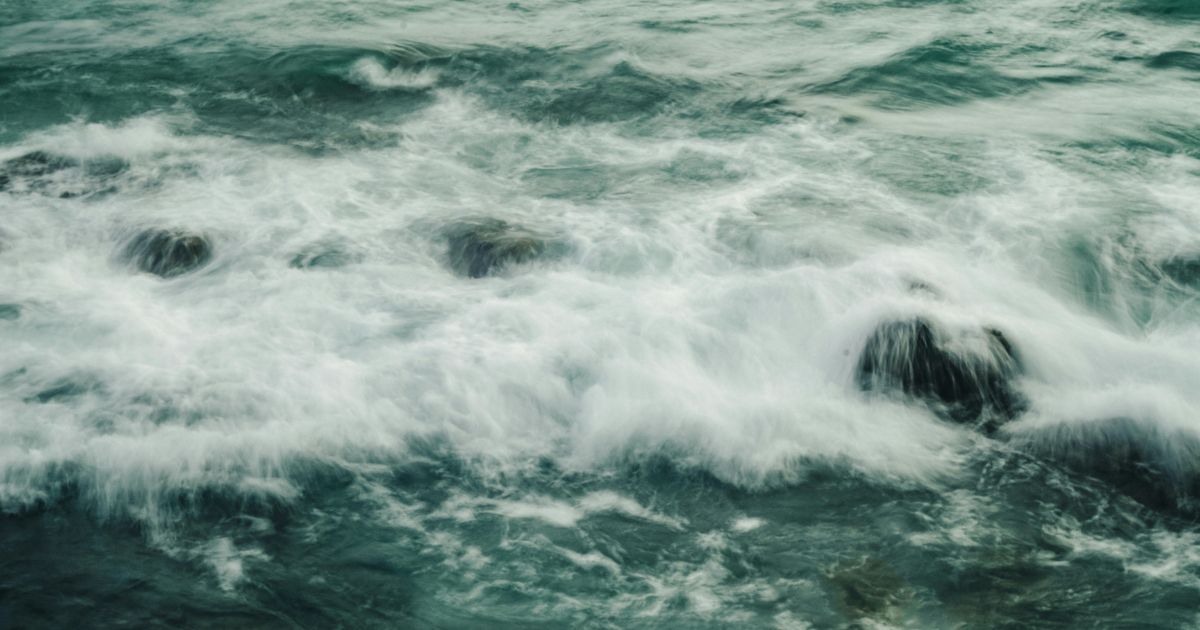
The Storm Ingrid Spain forecast has sharpened into a familiar mid-winter warning: Atlantic fronts pushing in fast, temperatures dipping, and conditions turning hazardous along parts of the coast and in higher (and in some places, surprisingly low) inland areas. Spain’s state weather agency, AEMET, says the coming days will be dominated by fronts linked to Ingrid, bringing widespread rain, strong winds, and a notable risk of snow at low levels in the north and northwest.
Ingrid follows a run of active winter systems and sits in a broader pattern that forecasters have been watching for weeks: a conveyor belt of Atlantic fronts, with colder air spilling in behind them. In practice, it means rapid changes from one day to the next — and the sort of weather that punishes anyone who treats it like a normal rainy weekend.
AEMET’s nationwide outlook points to unsettled conditions persisting as successive fronts cross the peninsula, with rain and showers in many regions and a colder, more unstable air mass helping snow fall to lower levels than many people expect in Spain.
The standout risk: dangerous seas in the north and northwest
If there is one element that repeatedly rises to the top of the official messaging, it is the sea. AEMET has issued a special notice highlighting a powerful maritime episode affecting Galicia and the Cantabrian coast, with very energetic swell and strong winds.
RTVE, citing AEMET’s warning picture, has also reported particularly severe wave conditions on the Atlantic-facing Galician coast during the peak of the episode, alongside strong winds and heavy coastal impact potential.
For residents and visitors, the practical point is simple: promenades, breakwaters and exposed viewpoints are not “dramatic photo spots” in this sort of set-up. They are where people get injured.
Snow levels drop — and some areas could see it much lower than usual
AEMET’s special notice flags snow falling to low levels in parts of the country during the episode, especially across the northwest and northern plateau.
Regional reporting based on AEMET guidance has focused on snow from around 600 metres in parts of Castilla y León, with heavier accumulations in mountain areas and disruptive conditions likely where wind and snow combine.
In Galicia, local updates describe early snow in inland municipalities and precautionary measures being taken as temperatures fall and snowfall spreads.
What Jorge Rey is warning about — and how it fits the official picture
Online forecasters are also tracking Ingrid closely. In his latest update, Jorge Rey’s message is essentially that this is not a quick pass-and-gone system — and that rain and snow could keep reappearing as new fronts arrive. That broad framing aligns with AEMET’s emphasis on an episode driven by successive Atlantic fronts, rather than a single burst of bad weather.
The key distinction for readers is credibility and decision-making: Jorge Rey can add colour and urgency, but AEMET warnings and local authority guidance should remain the reference point for travel, coastal safety and school or road disruption.
Travel and day-to-day disruption: what to watch
Even where rainfall totals are not extreme, Ingrid’s mix of wind, cold air and sea conditions can trigger knock-on disruption. The highest risk tends to be:
- Roads over mountain passes, where snow and visibility deteriorate quickly.
- Coastal routes and seafront areas, where wave overtopping becomes dangerous.
- Long-distance driving, where crosswinds and squally showers can turn routine journeys into stressful ones.
If you need to travel this weekend, checking AEMET’s warning map before setting off is the most useful habit you can adopt.
What to keep an eye on next
The most important detail now is timing. With a front-driven episode, the biggest impacts can arrive in short, sharp windows — a few hours of severe seas, or a sudden drop in snow level behind a passing front. Ingrid will not look the same everywhere, and it will not behave the same from morning to evening.
If you live near the coast, treat the sea as the headline risk. If you are inland, treat snow levels and wind as the detail that can change your weekend fast.