 Lorraine Williamson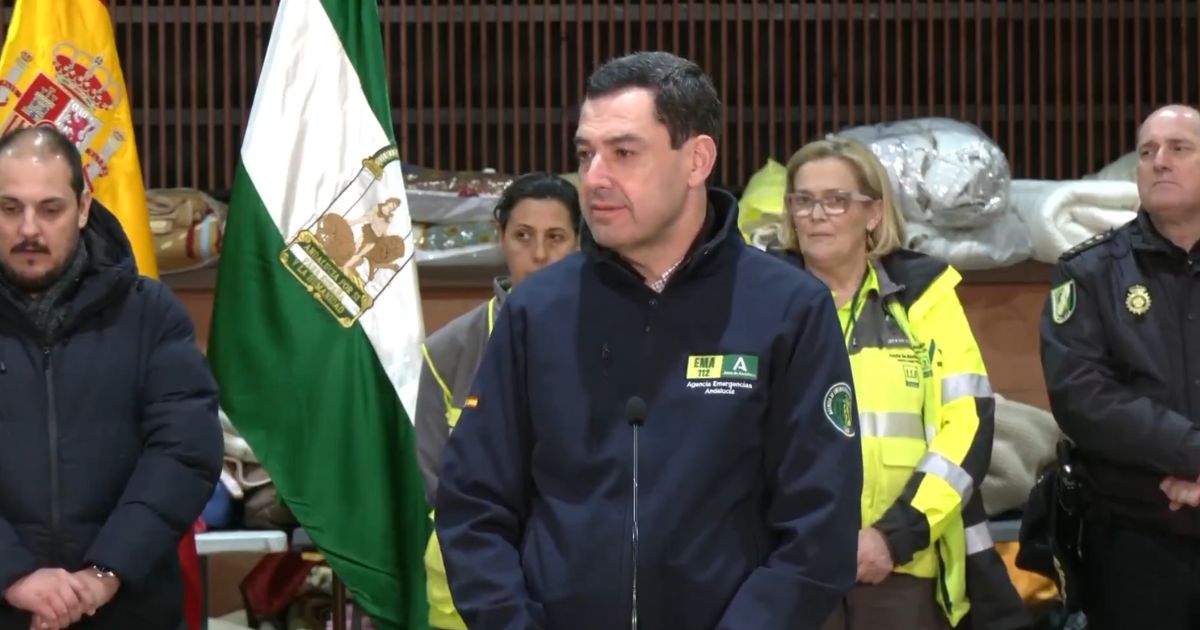
Spain’s worst rail tragedy in more than a decade has entered a new phase. The emergency search operation at the Adamuz crash site in Córdoba has now formally ended, after two more bodies were recovered and the confirmed death toll rose to 45. The focus is shifting to victim identification, forensic work and the investigation into how two trains on the same corridor came to collide with such catastrophic consequences.
The Junta de Andalucía confirmed on Thursday evening (22 January) that the final two missing passengers had been located, allowing the regional emergency plan to be stood down. At the same time, dozens of families remain in limbo as the final formal identifications continue.
The latest confirmed situation
The confirmed death toll now stands at 45, matching the number of missing-person reports filed by families. According to the Junta’s latest published balance, 29 people remain in hospital in Andalucía, including seven in intensive care.
EFE reported that 43 of the victims had already been identified at the point the search phase concluded, with the remaining identifications progressing through forensic and DNA procedures.
What officials are saying — and what they are not saying
As authorities urge caution around speculation, the public messaging has been consistent on one point: the cause has not been confirmed, and the investigation must run its course.
Transport Minister Óscar Puente described the incident as “very strange” and said it is possible the origin lies in the infrastructure, while stressing that investigators must determine whether any observed rail damage occurred before the derailment or as a result of it.
From Adamuz, Andalucía’s regional president, Juanma Moreno, confirmed the emergency operation had been “culminated” once the final missing people were located, as the response moved from rescue to recovery and investigation.
In Madrid, the Comunidad de Madrid held a public minute’s silence at Puerta del Sol, led by Isabel Díaz Ayuso, in remembrance of victims of the Adamuz crash and the separate fatal rail incident in Gelida, Catalonia.
The human stories now emerging
As the shock settles, individual accounts are beginning to surface — including stories of people who narrowly missed being on the services involved.
Spanish media have reported cases of passengers who had planned to travel but changed their plans at the last minute, as well as communities waiting anxiously for news about relatives who were on board. These stories are being shared cautiously, often with names withheld, while families await formal confirmation through official channels.
These accounts do not change the confirmed facts of the crash. But they do underline what families across Andalucía, Madrid and beyond have been saying all week: that this disaster is being lived not as a headline, but as a chain of phone calls, hospital corridors, and identification procedures that move far more slowly than social media rumour.
King Felipe and Queen Letizia: “the affection of the whole country”
The King and Queen have also made repeated public gestures of support, speaking directly with families and the injured.
During a visit linked to the response, King Felipe said they wanted to be there “to support them and give them affection,” and to pass on “the affection of the whole country,” adding that the impact had been “very, very strong”. Queen Letizia also expressed her wishes for a swift recovery for those injured.
They later signed a condolence message at FITUR, writing of a “shared pain” felt by Spaniards and visitors alike.
Practical information for families and friends
Authorities continue to stress that the most reliable information comes through official channels. If you are trying to confirm a passenger’s status or location, these are the key routes being referenced by official bodies and major responders:
Adif’s dedicated information line for affected families is 900 101 020 (also shown as 900 10 10 20).
Iryo has published an assistance number for affected passengers: 900 001 402.
In Madrid, emergency and health services have maintained a support presence at Atocha, including psychological support for families and arrivals from replacement transport.
If you are in Spain and believe there is an urgent medical or safety risk, the general emergency number remains 112.
A note on rumours and “false leads”
Spain’s authorities have repeatedly asked the public not to amplify unverified claims. In the days since the crash, fact-checkers have documented a wave of fabricated images and false “official messages” circulating online, including claims about citizen call-outs to attend the site, and theories presented as confirmed causes.
If you are unsure whether something is true, two Spanish fact-check organisations tracking Adamuz-related misinformation are Maldita.es and Newtral.es.
For a broader explainer on how disinformation works — and why it spreads so quickly in emergencies — Spain’s government also publishes background guidance.
Wider rail disruption and other incidents
While the Adamuz investigation continues, rail disruption has rippled across long-distance routes, particularly on corridors linking Andalucía and Madrid, with operators still dealing with knock-on effects and altered travel plans. Adif has maintained ongoing public information updates on affected services and infrastructure work.
Separately, Catalonia has also seen serious rail incidents this week, including the fatal Gelida accident referenced during Madrid’s minute’s silence.
Spain rail safety concerns grow
Sources: El País, EFE, TeleMadrid, Comunidad de Madrid