 Lorraine Williamson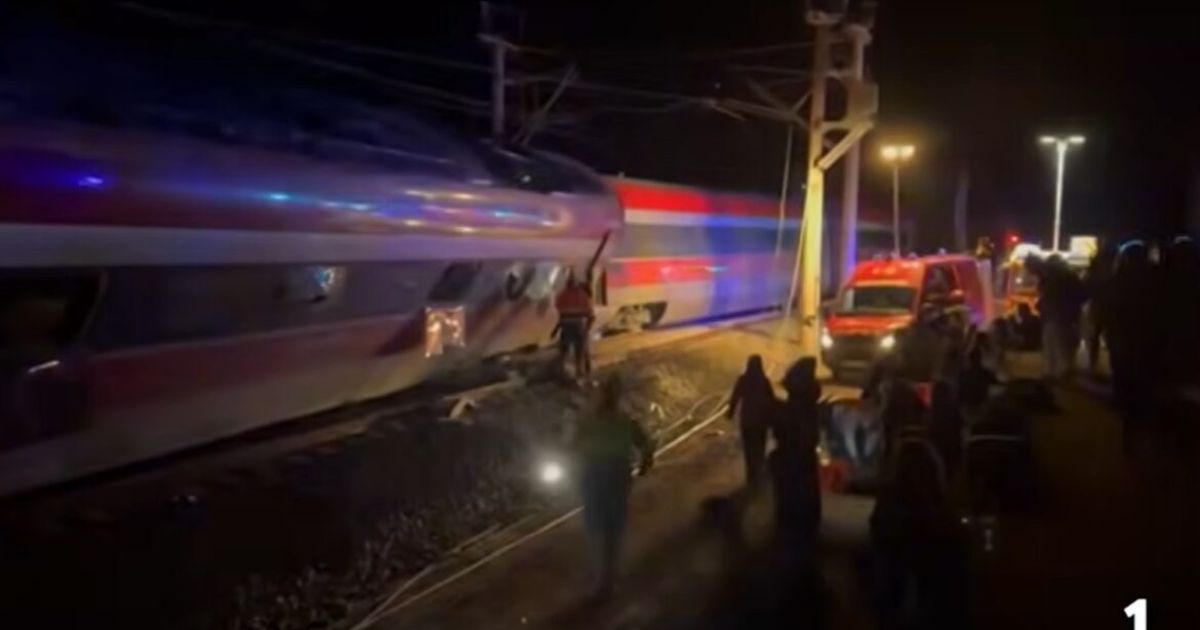
In the aftermath of the Adamuz rail disaster, grief has been accompanied by something else: a fast-moving fog of claims, screenshots, and “inside information” that can travel quicker than any official update. Spain’s authorities and emergency services have been clear on one point. This is not a moment for amateur detective work online.
The verified facts are devastating enough. At least 41 people have been confirmed dead, with 39 still in hospital and 13 in intensive care, according to updates carried by Spanish agencies and quoted by multiple outlets.
But alongside the emergency response, a second task is now urgent: protecting families from misinformation, and making sure the public knows where to find reliable information.
What is confirmed today
The clearest picture comes from officials and the emergency system in Andalucía, supported by operators’ own notices and respected live briefings.
The crash sequence, as described across multiple reports, is that an Iryo high-speed service derailed near Adamuz and ended up on the adjacent track, where it collided with a Renfe Alvia approaching from the opposite direction.
Spain’s public infrastructure manager, Adif, confirms that high-speed services on the Madrid–Andalucía axis remain disrupted while recovery and inspection work continues, and it has published the family helplines and station support points now in place.
Death toll rises to 41
What is not confirmed, and why that matters
This is where social media can do real harm.
One of the most widely circulated claims is that investigators have already identified a precise technical cause. Reuters has reported—citing a source briefed on early inquiries—that investigators found a broken joint/fishplate and that it may be central to the derailment. Reuters also notes that the CIAF, Adif and the transport ministry had not officially commented on that specific detail at the time of publication.
That distinction matters. It is legitimate reporting, but it is not the same as an official conclusion.
Spain’s public broadcaster has taken the unusual step of publishing a running fact-check on “bulos” around Adamuz, warning about AI-generated images presented as real and false calls for citizen help that can draw people into dangerous areas or spread panic among families.
If you are publishing or sharing information, the safest rule is simple: treat any definitive claim about cause as unconfirmed unless it is issued by the investigating body or a named official statement.
Was speed a factor?
This is one area where officials have been relatively direct, while still urging caution overall.
Renfe’s president, Álvaro Fernández Heredia, has said publicly that early data does not indicate excessive speed or straightforward human error, pointing to the safety and signalling systems on the line. Several Spanish outlets report that the trains were travelling at roughly 205–210 km/h on a stretch where the limit was higher, and that the window between derailment and impact was extremely short.
That does not settle the investigation. It does help to counter one of the most common, and often most accusatory, rumours.
How to verify information without amplifying rumours
The Spanish government has been explicit for several years that disinformation is not just a nuisance but a national security risk. La Moncloa’s own explainer distinguishes between a deliberate “bulo”, accidental misinformation, and content that mixes truth with manipulation—exactly the cocktail that often appears after major disasters.
Practical checks that help in the Adamuz situation:
Rely on official channels for helplines, missing-person processes and travel disruption. Avoid reposting screenshots of “lists” or “insider” claims. If the post asks people to travel to the crash site to help, treat it as a red flag. RTVE says emergency services have publicly denied such calls.
Official contact points for families
Adif has published the principal contact numbers for relatives and affected passengers. These are the safest, verified numbers to share:
Renfe (family support): 900 10 10 20
Iryo (family support): 900 001 402
For hospital information, multiple outlets have also repeated the numbers used by Andalucía’s emergency system:
061 (within Andalucía)
953 00 11 49 (calls from outside Andalucía)
Adif also confirms that support spaces for families have been set up at key stations, including Madrid Puerta de Atocha, Córdoba, Sevilla, Málaga and Huelva, with psychological support available.
Guardia Civil: identification offices and DNA support
As identification work continues, Guardia Civil units have established offices where first-degree relatives can provide identifying information and, where necessary, DNA samples to support forensic teams.
One confirmed example is the Málaga command, which has publicly described the process and the documentation families may need to bring.
This is slow, forensic work. It is also the reason authorities repeatedly ask the public not to publish names or circulate unverified lists.
The story that shows the human scale: “Boro” the missing dog
Among the accounts emerging from Adamuz is the search for Boro, a dog believed to have fled during the chaos. The animal-rights group AnimaNaturalis has urged people to recognise that, in disasters, animals can also be part of what families lose.
Several outlets covering the search have circulated contact numbers associated with the family’s appeal and the wider effort to locate the dog. Reporting describes Boro as frightened and likely hiding close to the crash area, making sightings difficult.
A careful note for readers: these numbers are not official emergency lines, and no one should travel into restricted areas or interfere with rescue work. If you believe you have credible information, share it through the contacts published by those directly organising the search, and follow instructions from emergency services on-site.
A final word on responsibility
After tragedies, people want certainty. They want a single clear reason. But early “answers” often turn out to be stories built from fragments—some true, some distorted, some invented.
Right now, the most helpful public role is not speculation. It is restraint. Share verified helplines. Point readers to official updates and reputable live briefings. And let investigators do the work that grief demands: establishing the truth, properly, and in full.