 Lorraine Williamson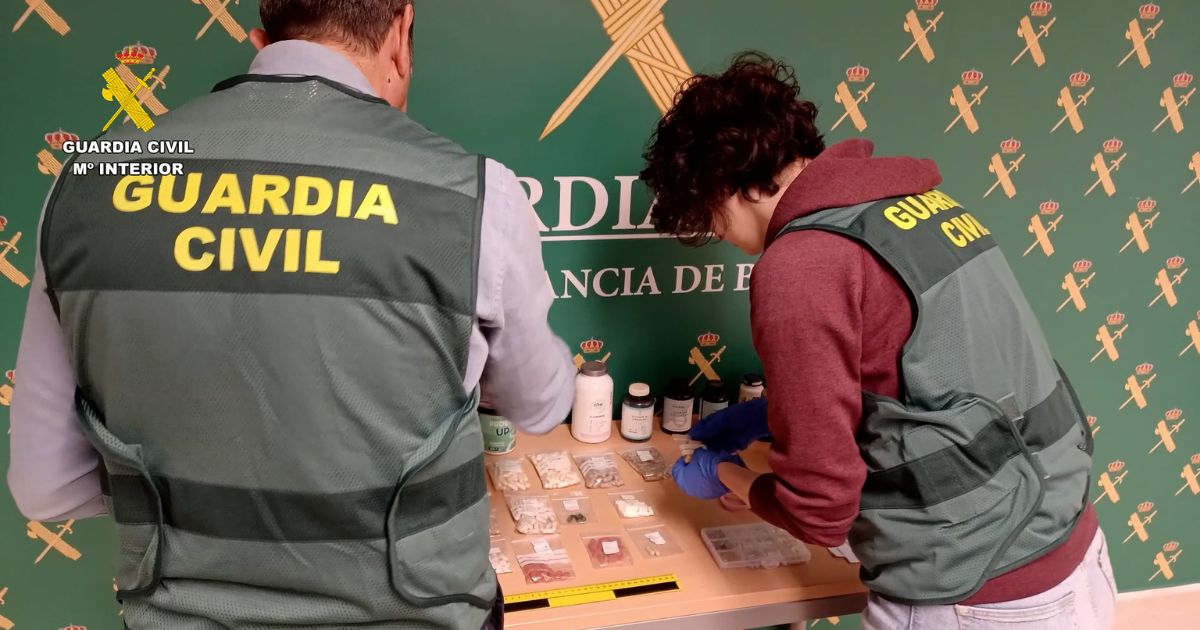
A fake doctor scam in the Burgos case has returned to the spotlight after the Guardia Civil arrested a woman for a second time, alongside her son and her former partner, over allegations that they prescribed treatments without a licence and targeted people at their most vulnerable.
Investigators say the trio presented themselves as a route to recovery for patients with physical or psychological problems. Instead, they allegedly sold “invented” therapies at steep prices, while also running a parallel operation involving an illegal breeding set-up and pet sales that customers never received.
The investigation remains open, and the detainees are entitled to the presumption of innocence.
A second arrest, and new alleged victims across Spain
The Guardia Civil says this latest phase has identified six additional alleged victims linked to the supposed medical “treatments”. Those people are from Asturias (one), Burgos (two), Gipuzkoa (two), and Valencia (one).
Alongside the alleged medical fraud, investigators describe four further affected parties: two linked to dog sales and to damage and outstanding debts in rented properties; and two more described as a veterinary clinic and a registered vet, tied to unpaid treatment, altered prescriptions, and alleged identity theft.
How the alleged set-up worked
According to the Guardia Civil, the woman initiated contact with potential victims. She allegedly claimed medical expertise without holding an official qualification, and at times provided a registration number linked to a US medical association while presenting herself as a specialist in several neurology-related fields—without documentary proof, investigators say.
Her son and her former partner allegedly supported the operation by preparing doses and arranging shipments. The son, investigators say, also received the payments for the “treatments”.
Crucially, the Guardia Civil describes a pattern of manipulation: the fake doctor allegedly leaned into patients’ mental or physical vulnerability, offering clinical advice and even trying to insert herself into their close circles to extract personal information for her own benefit.
The money trail: €285,000 in transfers, and no declared income
A bank account overseen by the son revealed incoming transfers over the past seven years totalling nearly €285,000, the Guardia Civil says. Investigators add that neither mother nor son appeared to have work activity or legal income to explain it.
They also estimate that money obtained through the alleged health-related deception exceeds €48,400, contributing to a wider alleged fraud total of €177,000.
“Hada”, “Celia”, “Israel”: the alleged use of aliases
Investigators say the group used pseudonyms to compartmentalise the alleged scams. The woman reportedly used “Hada” in the medical persona and “Celia” in dog sales, while “Israel” was allegedly used to pose as a vet and falsify prescriptions to obtain items such as antibiotics, eye drops, anti-inflammatories, and vaccines.
What offences are being investigated?
The Guardia Civil says the three were arrested for alleged offences including fraud, professional intrusion (working in a regulated profession without authorisation), offences against public health, document falsification, and identity usurpation. The operation is named “Adabur” and was handled by the Investigation Area of the Alfoz de Burgos main post under the direction of Burgos Investigating Court No. 3, according to the force.
How to check a doctor or health professional in Spain
If you are paying privately for care—or someone approaches you with a “specialist” offer—there are straightforward checks you can do before handing over money or medical details:
Use the Ministry of Health’s public register (REPS) to look up a professional’s official qualifications and workplaces.
Check the CGCOM’s central register of practising doctors by name/surname or registration number.
If the person claims to be a vet, start with the official veterinary college network/“ventanilla única” portals for Spain’s veterinary profession.
If a practitioner pushes secrecy, refuses to provide verifiable credentials, or pressures you into rapid transfers, treat that as a red flag.
Have you been affected?
If you suspect you have been targeted, prioritise safety first: seek qualified medical advice through your usual healthcare route, keep all messages/invoices/transfers, and report the matter to the police. The Guardia Civil notes the investigation is open and does not rule out further affected parties.
Sources: Guardia Civil, Ministry of Health, CGcom