 Lorraine Williamson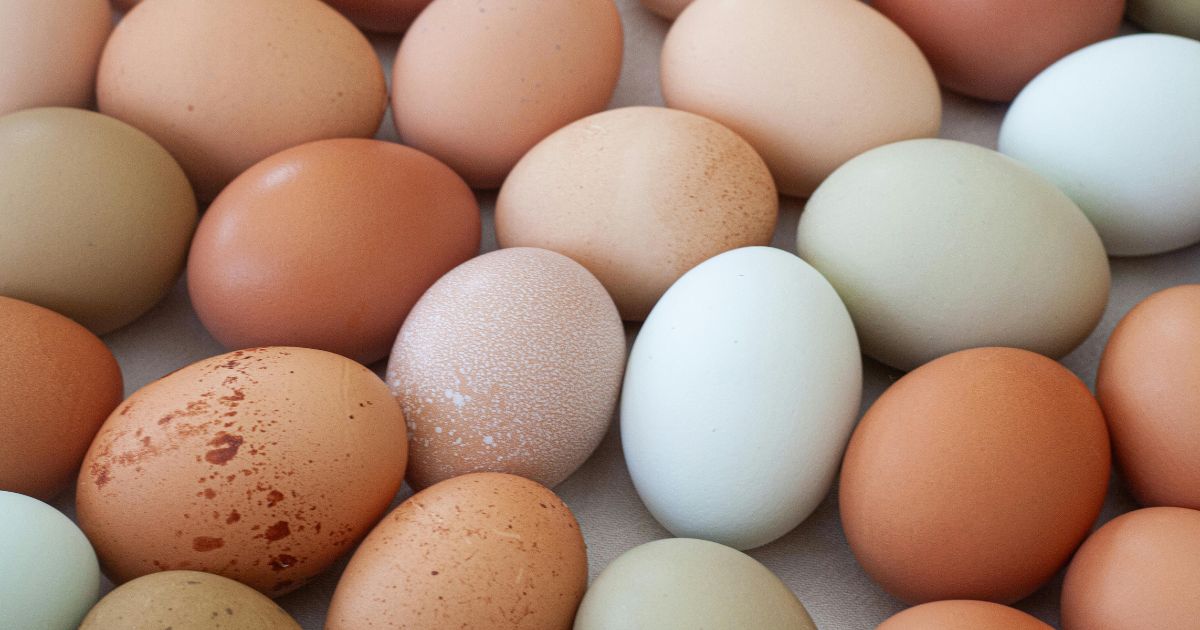
At first glance, 2025 looked like a year when Spain finally started breathing again at the checkout. The National Statistics Institute (INE) confirmed an average inflation of 2.7% for 2025, with December ending at 2.9%.
But “average” is not how most households experience prices. People remember the jolts: the weekly staples that suddenly feel like treats, the utility bill that refuses to settle, and the local charges that arrive with no obvious way to cut back. Spain’s consumer price basket shows that a small cluster of items rose far faster than the national rate—and those spikes did much of the emotional damage.
The items that hit hardest: from jewellery to breakfast basics
INE’s most detailed basket breaks spending into around 200 categories. In 2025, the stand-out surge was jewellery and costume jewellery, up 24.6% on average—an outlier driven by higher precious metal costs feeding straight through to retail pricing.
The more familiar pinch-point was breakfast. Over the year, chocolate rose 20%, coffee 17.6%, and eggs 17.5% on average, according to reporting based on INE’s breakdown.
It is worth noting that some outlets also tracked sharper “felt” increases using December-on-December comparisons—eggs, in particular, spiking strongly on that measure. Different time windows can produce different-looking numbers, but the story is the same: the everyday items people buy routinely were among the fastest movers.
Energy and fixed costs: why Spain still felt expensive
For many families, the greater stress is not discretionary spending but bills that are hard to dodge.
Electricity, waste collection and transport all featured among the stronger climbers in 2025. One analysis of the detailed CPI data highlights waste collection charges up 17.4%, the electricity bill up around 15%, and combined passenger transport up 13.6%—a set of increases closely linked to policy changes and the winding down of earlier relief measures.
The waste increase matters because it is both local and uneven. Some municipalities introduced (or recalibrated) charges sooner than others, so households can see very different outcomes depending on where they live.
Food inflation cooled overall, but the exceptions dominated the conversation
Food inflation, taken as a whole, eased in 2025 compared with prior years. The problem is that “overall” hides the products that people buy most often—or notice most when they rise quickly.
Beef and other meats remained under pressure in parts of the basket, while coffee, chocolate and eggs stood out as the items that made a routine shop feel like a budget negotiation.
Meanwhile, a few high-profile fallers offered relief. Olive oil was the headline example, dropping sharply from its previous peak—though the exact scale depends on whether you look at annual averages or December-on-December movement. Either way, it became one of the rare supermarket lines that moved decisively in the consumer’s favour.
Why Spain stayed above the euro area’s “comfort zone”
Inflation has a European backdrop now, not just a national one. The European Central Bank’s target is 2%, and the euro area ended 2025 at around that level, with Eurostat’s flash estimate putting December at 2.0%.
Spain, by contrast, ended December higher (2.9% on the national CPI) and recorded a 2025 average of 2.7%.
That gap helps explain the mood: Spain was not reliving the shock of 2022–23, but it also was not yet enjoying the calmer landing that the ECB wants to see across the bloc.
What households can realistically do when “the worst” is in essentials
There is no single fix for a cost-of-living squeeze that is concentrated in essentials, but households often regain a little control by targeting what is measurable.
Start with patterns you can actually change: switching to unit-price shopping for staples, reviewing energy plans where contract terms allow, and treating services inflation (restaurants, hotels, transport) as the area most likely to reward flexible timing rather than brand loyalty. The point is not perfection; it is reducing exposure to the fastest-rising lines in your own spend.
The outlook for 2026: calmer numbers, but slow recovery
Core inflation eased across 2025, and the direction of travel remains down—yet the lived experience will depend on whether energy and household services cool meaningfully, and whether “quiet” inflation persists in the background of daily spending.
After several years of price shocks, the bigger question is not whether inflation is falling, but whether wages and household budgets can rebuild the purchasing power that was lost when prices surged. For many, 2025 did not feel like “normality returning”. It felt like learning to live with a new baseline—one receipt at a time.
Sources: INE, 20 Minutos, Eurostat