 Lorraine Williamson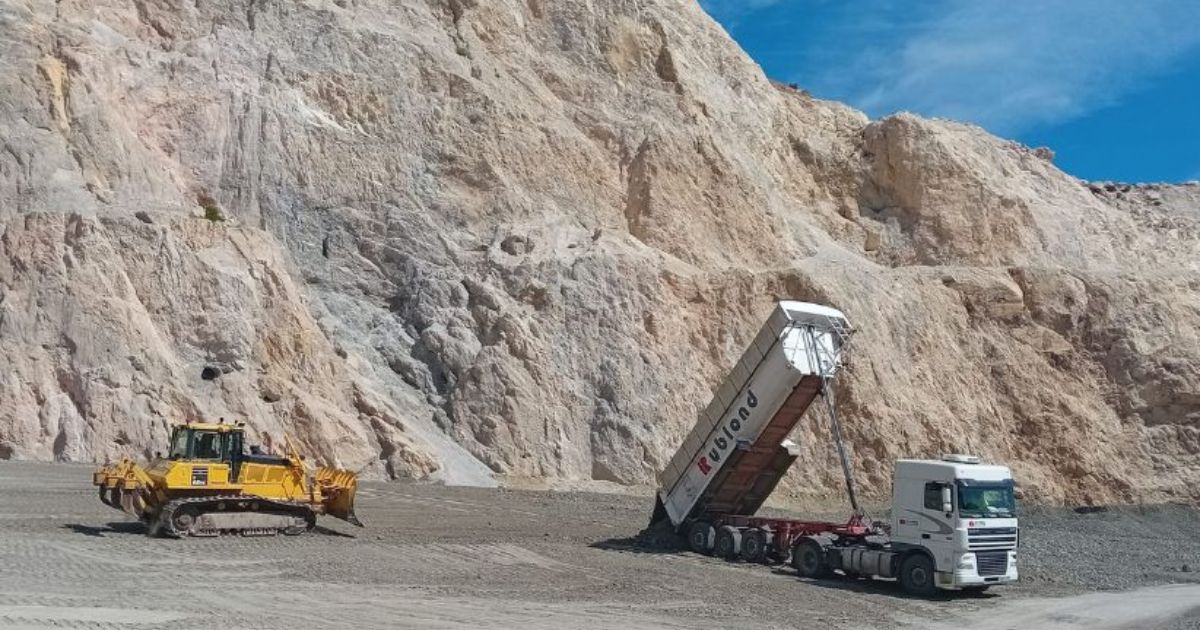
For years, it was the place Torremolinos tried not to talk about. A scar on the edge of town, linked with pollution worries and years of “we’ll sort it later” politics. Now the municipality says the former urban landfill is on course to become a major public park — a new green space designed for sport, strolling, and open-air events.
The plan would turn more than five hectares into one of Torremolinos’ largest parks, built where rubbish once piled up on the northern edge of the town, at the point where the urban grid gives way to the hills. The mayor, Margarita del Cid, has framed it as a symbolic switch from damage to repair: a site once associated with contamination, reimagined as a space for everyday life and culture.
A notorious site, finally stabilised
The landfill was used for decades and closed in 2011. After years of limbo, remediation and sealing works began in 2023, tackling what has been described as one of the last major urban landfill sites of its kind still pending full recovery in Andalucia.
The clean-up work has been substantial. Publicly available project updates linked to the works describe the removal and transfer of roughly 684,000 cubic metres of waste to a properly conditioned disposal cell, across a footprint of about 52,300 square metres.
What the park could include
The final design has not yet been signed off, but the council’s early vision is clear: a multi-use park that works for residents, not just visitors.
Early plans point to:
Walking and cycling routes across the site
Sports and skating areas
Children’s play zones and a dog park
An open-air auditorium for performances, community events, and concerts
A viewpoint at the top, with big Costa del Sol panoramas
Picnic areas and outdoor fitness spaces
If it sounds like a lot, that’s the point. Coastal towns up and down Spain are under pressure to add shade, greenery, and “third spaces” — places to gather that aren’t a beach, a bar terrace, or a shopping centre. Parks are also increasingly treated as climate infrastructure: cooling islands during heatwaves, and buffers against hard, sealed urban surfaces.
Spain invests €39.3 million in greener cities with EU support
The planting has already started
As part of the stabilisation and recovery, project-linked reporting describes the planting of 75,536 plants and shrubs. The works have also involved surveying and monitoring methods to keep track of soil movement and landfill gases — a reminder that turning a dump into a park is never just a landscaping job.
Cost, funding and the next steps
The remediation project has been reported at around €6.5 million, with funding involving European and regional support. The next phase is the park itself: completing the design, launching the tender process, and moving into construction. The council’s current expectation is that work on the park will begin at some point during 2026.
A different kind of landmark for Torremolinos
Torremolinos has spent decades being defined by tourism — a place that helped invent mass sun-and-sea holidays in Spain, and still relies heavily on the visitor economy. This project suggests a parallel ambition: improving day-to-day liveability for the people who actually live here year-round.
If the park is delivered well, it could become a rare kind of local landmark: not a hotel, not a promenade, not another beach upgrade — but a reclaimed space that quietly changes how a town breathes.
Source: Junta de Andalucia