 Lorraine Williamson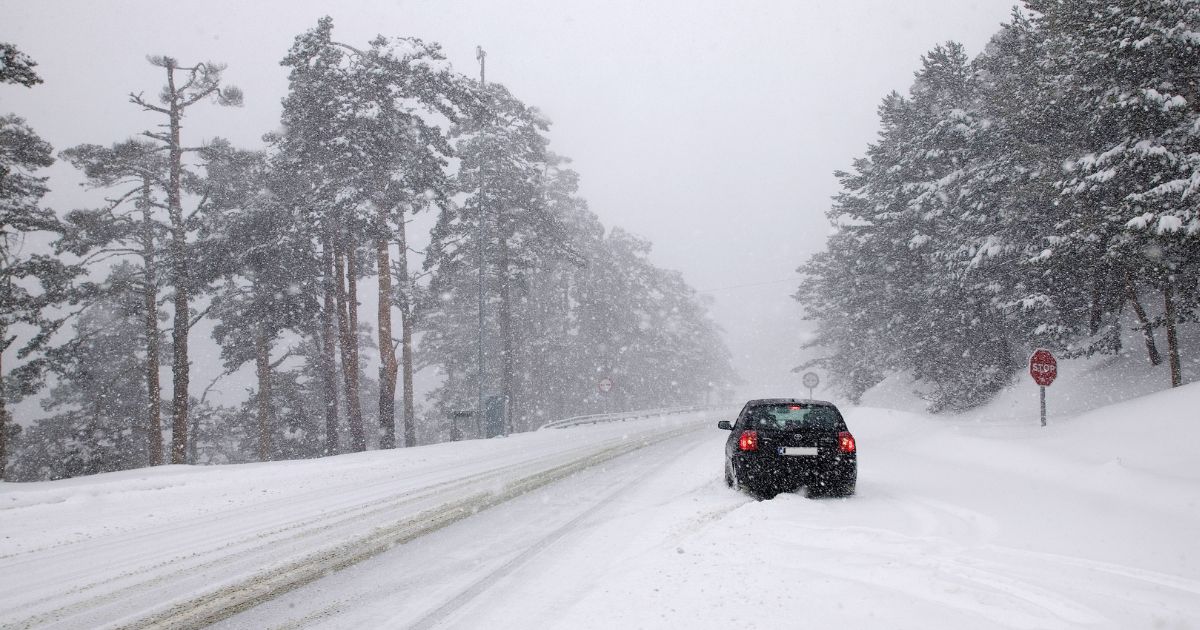
Spain is in the grip of a Storm Francis cold snap, with snow, severe frost, and strong winds disrupting travel and daily routines across large parts of the country. Weather warnings are in force in 14 autonomous regions, and temperatures have plunged well below zero in areas that rarely see this kind of sustained winter bite.
The cold has been especially punishing inland and in the north-east. But one of the standout readings has come further south, where Sierra Nevada recorded -17.3°C at Pradollano (Granada) on Tuesday morning.
Where the cold is at its most dangerous
AEMET’s most severe alert level has been aimed at Páramos de Molina (Guadalajara), where forecasts have pointed to minimums around -14°C, triggering a red warning for “extraordinary danger”.
Other inland areas have also sat well below freezing at night, with pockets of Aragón, Castile and León, Castile-La Mancha and Catalonia among those facing persistent frost risk. The pattern is familiar: clear skies, dry air, and cold pooling in valleys and high plains.
Snow at unusually low levels
Francis has also pushed snow down to levels that can catch drivers out fast. AEMET has flagged episodes where accumulations build quickly, particularly on higher routes and in exposed interior areas.
This is the part that changes plans. You can wake up to blue sky in town, then hit a pass and find a different country entirely.
Roads, chains and sudden closures
The traffic impact has been immediate, and it is moving hour by hour. Early in the week, reports linked to the DGT described more than 50 roads affected by snow and ice, with multiple secondary roads closed and restrictions on key routes.
Among the routes highlighted in national coverage were the A-73 and AP-1 in Burgos and the A-67 near Aguilar, where heavy goods vehicles have faced temporary limits and chains have been required in affected stretches.
DGT advice remains the same: delay non-essential journeys, check live updates before setting off, and treat mountain roads as a separate risk category altogether.
Back to school, with winter at the gates
The timing has added a strange contrast. Much of Spain is returning to school after Epiphany, while pavements stay icy and the morning air feels more like central Europe than the Mediterranean.
For children, it can look like a gift. For parents and councils, it is the opposite: frozen roads, slippery footpaths, and the worry that a normal commute becomes a preventable accident.
Why Spain still gets “northern” winters
Spain’s climate reputation is not wrong. But it is incomplete. The peninsula can flip sharply when cold air pushes south, especially when wind, humidity, and night-time clear spells combine.
The result is a cold that bites in a different way. It is not just the number on the thermometer. It is the way homes, roads, and daily routines are built around a milder expectation.
When does it ease?
Forecast guidance in national reporting suggests the cold snap should persist in the short term, with low daytime temperatures and hard night-time frosts continuing across many areas.
The safer assumption, for now, is disruption. Keep plans flexible. And keep checking official updates before you travel.
Sources: AEMET, DGT, castillalamancha