 Lorraine Williamson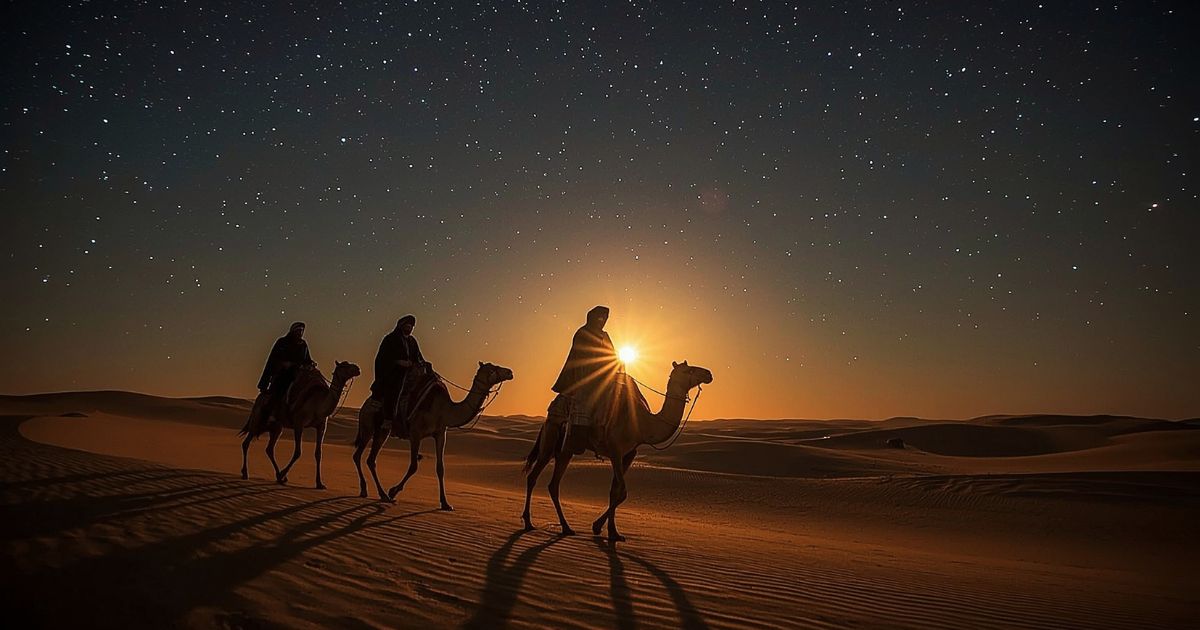
In Spain, Christmas doesn’t so much end as crescendo. Three Kings Day in Spain (Día de Reyes) lands on 6 January, and for many families it’s the moment the season has been building towards: the night-time parades, the shoes lined up with a child’s fierce logic, and the unmistakable smell of fresh roscón drifting out of the panadería queue at first light.
It’s Epiphany in the church calendar, marking the visit of the Magi — Melchior, Gaspar and Baltasar — bringing gifts to the baby Jesus. In the Spanish version, that story has become a living, street-level tradition: part faith, part theatre, and wholly centred on children.
Why Reyes matters more than you might expect
Visitors often assume 25 December is the big gift day everywhere. In Spain, that’s increasingly true in some households, especially with Papá Noel gaining ground. But in Spain, Three Kings Day remains the cultural heavyweight: the day many children still associate with “real” presents, family time, and the final burst of festive magic before the ordinary year begins.
It also arrives with a practical twist: 6 January is a national public holiday. Shops may close or run limited hours, and transport can be reduced, depending on where you are.
The night before: the Cabalgata, sugar, and street strategy
The real spectacle happens on 5 January, when towns and cities stage the Cabalgata de Reyes — a parade that’s somewhere between carnival, nativity pageant and sweet storm. The Kings arrive on floats, often with dancers, drums, and enough lights to convince children that magic has a logistics department. Sweets are thrown from the floats, and crowds behave accordingly.
If you want the classic experience, go early and commit. Locals treat it like a mission: they pick a spot, hold it, and keep children fed, warm and optimistic. Bigger cities can feel like a festival crowd; smaller towns can be more relaxed and, frankly, easier with little ones.
A fun footnote: one of Spain’s oldest documented Three Kings parades is in Alcoy (Alicante province), with records dating back to 1866 and continuity from 1885 — part of why it still wears its “historic” label proudly.
Pro tips for the parade (from people who’ve learned the hard way)
Bring something to catch sweets. A bag is fine. An upturned umbrella is better — it turns chaos into a harvest.
Dress for standing still. Even in southern Spain, early January evenings can bite once you stop moving.
Arrive earlier than you think. The best views aren’t found at the start time. They’re found an hour before, when someone’s abuelo is already guarding the kerb.
Pick a child-friendly exit route. A perfect viewing spot is useless if you can’t get out without tears.
Keep expectations realistic. Some kids will catch a kilo of sweets. Some will catch one sticky toffee and an elbow. Both outcomes can be managed with the right grown-up energy.
And yes: take a bag. You’ll use it. Probably twice.
Check weather reports to see if your Three Kings Parade is rescheduled
The shoes, the snacks, and the small magic at home
After the parade, the mood shifts. Children clean their shoes and line them up where the Kings can “find” them — by the door, under the tree, on the balcony. Many families also leave something for the Kings and their camels: water, a drink, maybe a sweet. Even if you don’t do the full ritual, the point is the same: giving children a role in the story.
This is also the moment for quiet bargains: early bedtime in exchange for quicker morning gifts. Some families read the children’s Reyes letters again, as if the post could still be rerouted.
The morning of 6 January: gifts first, then food
Reyes morning begins with that particular hush you only get when a house is full of people pretending they’re not excited. Children run to the shoes. Parents assess the damage. Someone takes photos. Someone else mutters that next year they’re doing fewer presents, which everyone knows is a fib.
Later, it becomes a family day in the broadest Spanish sense: long meals, visiting relatives, and a gentle sense that the festive season is being closed properly, not simply stopped.
Roscón de Reyes: the sweet crown of the season
Then there’s the roscón. A ring-shaped brioche, usually decorated with candied fruit, it’s the edible symbol of Three Kings Day in Spain — traditionally eaten on 6 January, often with thick hot chocolate.
Inside are the surprises: a small figurine and a dried bean. The rules are wonderfully strict. Find the figurine, and you’re crowned king or queen for the day. Find the bean, and you pay for the roscón — or at least, that’s the joke every Spanish family has been telling since forever.
The roscón queue is part of the ritual
If you want roscón from a good panadería, don’t stroll in at lunchtime and expect options. Queues form early, especially on 5 and 6 January, and popular places can sell out. This is one of those Spain lessons that arrives quickly: timing is everything, and so is knowing which bakery your neighbours swear by.
If you’re hosting, buy earlier than you think you need. If you’re visiting family, offer to do the roscón run. It’s the kind of favour that earns genuine gratitude.
For families with kids: how to keep it magical (and manageable)
Three Kings is brilliant with children, but it’s also loud, late, and sugar-heavy. A few sanity-saving moves can make the difference:
Keep a small “parade pack”: wipes, water, a snack, and somewhere for sweets to go that isn’t a child’s mouth.
Set a sweet limit early. Not as a threat. More as a gentle agreement with future-you.
If your child gets overwhelmed, step back. You still get the lights and music from a quieter spot.
Make one tradition your own. It could be the letter to the Kings, a family breakfast, or roscón at the same café each year. Repetition is what turns a nice day into a childhood landmark.
A celebration that belongs to the street
What makes Reyes special is that it’s communal. It doesn’t live behind closed doors. It belongs to the street, to the parade route, to the bakery line, to the sound of children shouting “¡Caramelos!” as if it’s a civic right.
Three Kings Day in Spain also feels like a reminder of how Spanish tradition adapts without disappearing. Even as modern Christmas habits spread, Reyes persists because it’s not just about gifts. It’s about shared anticipation, public joy, and one last holiday moment before routine returns.
How to do Reyes like a local
Go to the Cabalgata on 5 January, even if you think you’re “not a parade person”. Bring a bag or an upturned umbrella, and don’t be shy about arriving early.
On the night, lean into the shoe ritual. It’s small, but it’s the detail children remember.
In the morning, slow down. Let it be a family day. Then join the roscón queue — not because you have to, but because it’s part of the texture of the celebration.
And when someone finds the bean, enjoy the groan. It’s the sound of Spain getting one more laugh out of Christmas.