 Lorraine Williamson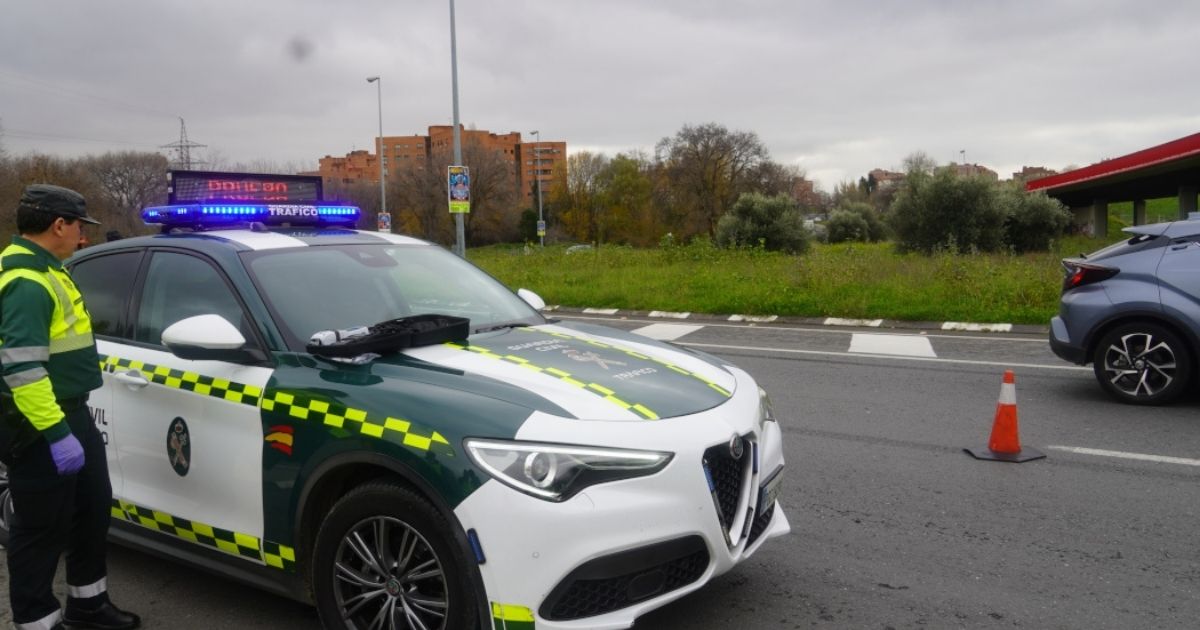
Spain’s holiday roads come with a familiar warning: the danger isn’t always the weather, the traffic, or the late-night motorway. Often, it’s the driver who thinks they’re “fine”.
That is the clear message from a new Dirección General de Tráfico (DGT) report on its latest alcohol and drugs campaign. In just seven days, officers detected more than 500 drivers a day who had been drinking, taking drugs, or both.
A week of checks — and a telling pattern
Between 15 and 21 December 2025, the Guardia Civil’s traffic division tested 191,864 drivers for alcohol and drugs. In total, 3,523 people tested positive for alcohol and/or other substances.
The most striking detail is where those positives were found. Almost nine in ten (88.8%) were detected in preventive roadside checks, not after crashes or clear-cut offences.
In other words, the net catches people who do not expect to be stopped.
Alcohol: 1,900 positives from 186,920 breath tests
Across the week, officers carried out 186,920 breath tests. They recorded 1,900 positive results. Most were picked up in routine checks (1,654). Others were detected after a traffic infringement (93), following a collision (138), or due to obvious signs of alcohol consumption (15).
DGT said 229 drivers were referred to the courts for exceeding 0.60 mg/l in breath alcohol. A further 12 were also sent to the courts for refusing to take the test.
Drugs: cannabis and cocaine dominate
Officers carried out 4,944 drug tests, with 1,623 returning positive in preliminary screening. Again, most were found in preventive checks (1,475), with others detected after an infringement (95) or a crash (53).
DGT said four drivers were referred to the courts for driving under the influence of toxic, narcotic or psychotropic substances.
The most common substances detected were cannabis (1,083 cases) and cocaine (711 cases). DGT also recorded 171 cases involving amphetamines, methamphetamines, and opioids. These figures can overlap because some drivers test positive for more than one substance.
“Under the limit” doesn’t mean safe
The campaign also flagged a quieter risk. Officers detected 3,820 drivers who had been drinking but did not exceed the legal limit.
Most of them (3,577) were found in preventive checks. The remainder were detected after offences (168), crashes (65), or visible signs of consumption (10).
DGT’s blunt takeaway is one it repeats often: only zero has zero consequences. Even at lower levels, alcohol slows reaction times and worsens judgment, especially at night, in the rain, or on unfamiliar roads.
The agency also points to alcohol’s continuing role in fatal crashes, saying it remains the second most common factor and is present in 28% of deadly incidents.
More checks still to come over the festive period
DGT stressed that the campaign results do not yet include full figures from local and regional police forces, whose data is still being processed.
And while the week-long operation has ended, the enforcement hasn’t. The Guardia Civil says alcohol and drug controls will continue “at any time and on any road”, with extra focus during the remaining Christmas and New Year celebrations.
The practical reality for drivers in the coming days
If you’re heading out for a long lunch, a dinner, or a New Year’s day gathering, the safest plan is still the simplest: don’t mix driving with alcohol or drugs.
Make the decision early. Pick the driver before the first drink, not after the last one. And if you’re unsure, leave the car and get home another way.
Because this year’s figures show something else, too: drink and drug driving in Spain isn’t being caught only after something goes wrong. It’s being found on ordinary roads, in ordinary moments, when people assume they won’t be stopped.