 Lorraine Williamson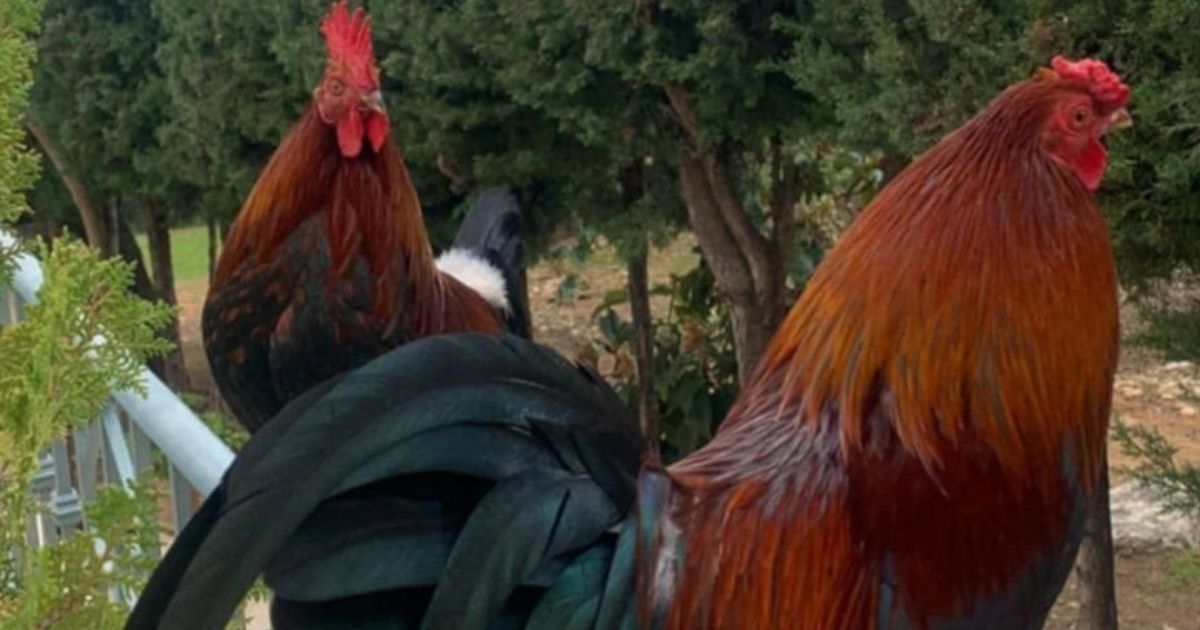
The phrase fox attacks on chickens sounds like something that happens elsewhere. A countryside story. A cautionary tale you half-listen to, then forget. Until the morning, your own garden feels wrong.
This week in Marbella, after a night when the wind hit the house and the rain seemed to come sideways, our chickens were gone. We didn’t hear anything. Not a squawk. Not a flutter. Just the storm doing what storms do — swallowing sound.
That weekend, Málaga province and the Costa del Sol were under Aemet’s highest-level red warning for extreme danger, before the alert was later stood down.
The storm that swallowed the sound
The next day, the garden had that strange after-weather stillness. Wet earth. Broken leaves. A hush where you expect fuss.
Our hens weren’t “just chickens”. They had routines. Preferences. Attitudes. Each one is a little different, in a way that makes you realise how quickly an animal becomes a character in your household.
We raised them from babies. We’d already lived through the darker side of the story once, too — a fox took their mother when they were still tiny. So we did everything we could to give them what felt like the best possible life.
They free-ranged all day. They scratched under shrubs. They sunbathed in ridiculous poses. At night, we shut them into their coop and told ourselves the same comforting word: safe.
When ‘safe’ isn’t safe
A fox doesn’t share your definition of safe. It tests it. Ours moved rocks. Then it dug. Foxes are powerful, determined diggers, and welfare guidance in the UK consistently flags tunnelling as one of the most common weak points in backyard set-ups.
That’s what makes the loss feel so brutal. You can do so much right — and still miss the one place a predator will choose.
Why foxes come close to home
On the Costa del Sol, it’s easy to forget how close wild behaviour sits to everyday life. Foxes don’t need deep countryside. They adapt. They patrol edges — scrubland, riverbeds, empty plots, the green pockets between urbanisations.
Research on urban foxes suggests city living can shape behaviour in ways that make them more willing to approach unfamiliar situations when food is at stake.
A stormy night adds its own cover: darkness, noise, disrupted routines. And if a fox has already learned that a particular garden holds easy prey, it won’t stop at a fence line. It will look for the gap.
The part nobody prepares you for: grief
There’s a practical side to this story. There’s also the emotional part that hits later, when you catch yourself listening for sounds that aren’t coming back. The garden feels empty. Not in a poetic way. In a physical, everyday way — the missing movement, the missing chatter, the small bit of life that made your mornings feel populated. And then there’s guilt, because grief likes company.
We understand nature. We understand predators hunt. But understanding doesn’t soften the moment your family realises something you cared for has been taken.
Making a coop harder to breach
If you keep chickens in Spain — whether in the campo, on the outskirts, or in a suburban garden — the takeaway isn’t “don’t bother”. It’s that “safe” needs building, not assuming.
Experts and welfare organisations tend to recommend the same core defences:
Block digging with an outward-facing mesh “apron” or skirt around the base, so predators can’t start a tunnel right at the edge.
Bury mesh below ground level or trench the perimeter; advice varies, but the principle is consistent: force the predator to dig where it doesn’t want to.
Check after bad weather, because storms can shift soil, loosen fixings, and expose new gaps — the kind you won’t spot from the kitchen window.
None of this is about punishing wildlife. It’s about preventing a repeat.
Because once a fox attacks chickens in one place, it can happen again.
A garden that will fill again
Right now, we’re sitting with the loss. With the shock of it. With the quiet. But we’ll also rebuild — not just the coop, but the confidence. And we’ll do it in a way that respects both truths at once: that nature is beautiful, and that it can be cruel.
In Marbella, the storm has passed. The garden will dry out. New routines will return. This time, we’ll make “safe” something we can stand behind.
Sources: British Hen Welfare, The Chicken House, The Poultry Site