 Lorraine Williamson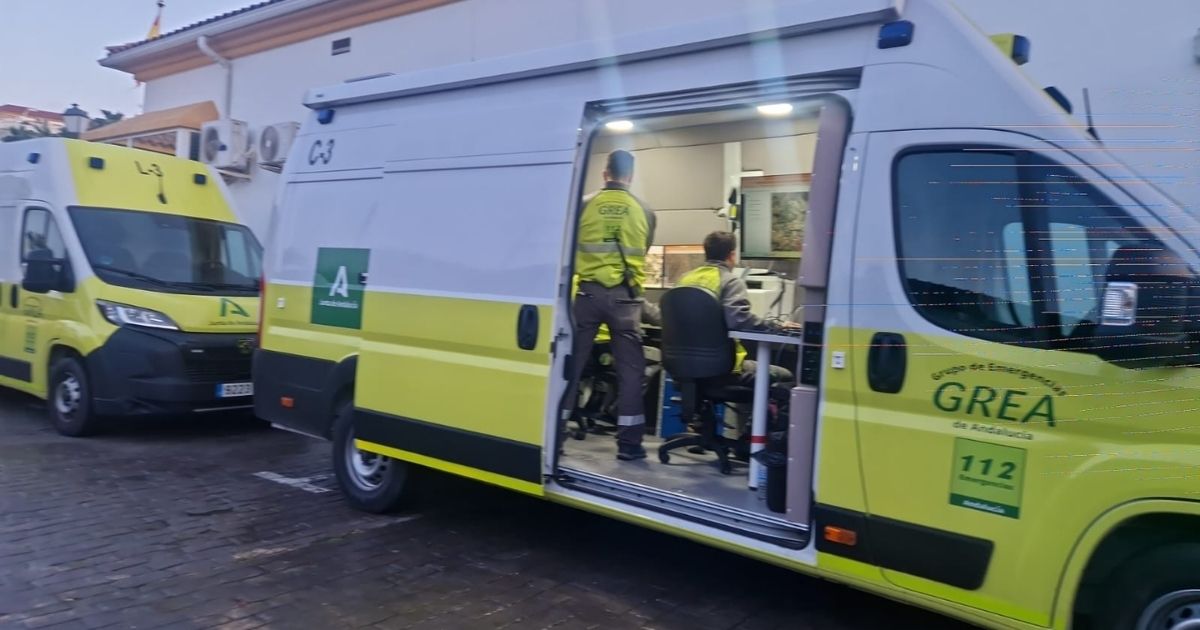
The Costa del Sol floods have ended in tragedy, with three deaths confirmed across Málaga and Granada after the weekend’s intense storms triggered sudden surges in rivers and streams.
Two men were recovered from the Fahala river system near Alhaurín el Grande, and a motorcyclist was later found after being swept away near Íllora in Granada province.
Two local men recovered after Alhaurín el Grande search
Emergency services launched a major operation on Sunday, 28 December 2025, after two men, aged 53 and 54, were reported missing in Alhaurín el Grande following overnight flooding in the Guadalhorce valley. Their van was later found overturned and badly damaged in the Fahala River.
The first body was recovered on Sunday, and the second was found on Monday, 29 December, near the mouth of the Fahala in Cártama, close to where it joins the Guadalhorce.
For Alhaurín el Grande, the river search unfolded against a backdrop of grief that was already raw.
Alhaurín el Grande’s week of grief
Alhaurín el Grande has been left reeling. The two men’s deaths come just days after the town was shaken by a Christmas Day house fire in which two teenagers died — an unrelated tragedy, but one that has deepened the sense of shock locally.
In a message posted on X, Andalucía’s regional president, Juanma Moreno, said he wanted to send “a strong hug” to the neighbours of his hometown, Alhaurín el Grande, after what he described as “hard blows” in recent days.
Elsewhere in Andalucia, the same storm system was linked to another fatal disappearance.
Granada motorcyclist also found dead
In a separate incident, a motorcyclist disappeared on Sunday, 28 December, near Íllora (Granada) after attempting to cross a stream swollen by the storm. He was found dead in the early hours of Monday, 29 December, after search teams worked through difficult conditions.
The storm moved east — and alerts followed
The heaviest rainfall hit parts of Málaga province overnight, when AEMET issued red warnings for areas including Sol and Guadalhorce. By Sunday, the focus shifted along the Mediterranean coast, with red rainfall warnings and Es-Alert messages sent to parts of Valencia’s southern coastline, urging residents to avoid travel and stay away from flood-prone zones.
What AEMET’s colour warnings mean in Spain
In Spain, severe weather warnings are issued by AEMET (Agencia Estatal de Meteorología). They’re colour-coded, and the key point is that they’re based on forecast impact and risk, not just whether it’s raining.
Yellow (amarillo): be aware
Yellow means potentially dangerous weather. Conditions can disrupt normal life, especially for vulnerable people or in exposed areas. It’s the level where plans might still go ahead, but you should keep checking updates if you’re travelling or near riverbeds and low crossings.
Orange (naranja): be prepared
Orange means significant risk. Impacts are likely — flooding in known trouble spots, road closures, transport disruption, and fast-rising streams. This is when authorities may start closing routes or advising against non-essential travel, particularly in rural areas, barrancos and zones with a history of flash floods.
Red (rojo): take action
Red is the highest level and signals extreme risk. AEMET uses it for situations where serious disruption and danger to life are possible. It’s the alert designed to change behaviour: avoid travel, stay away from flood-prone routes, don’t approach riverbeds or streams, and follow any civil protection guidance or phone alerts (such as Es-Alert) immediately.
Why flash floods catch people out so quickly
These incidents underline the speed of flash flooding in southern Spain: rainfall funnels into barrancos, streams and low crossings, and water that looks manageable can become dangerous within minutes — especially at night, when depth and debris are hard to judge.
Authorities have repeated the same advice as conditions change: avoid non-essential journeys, do not cross flooded roads or riverbeds, and keep away from streams and barrancos even after the worst rain has passed.
A weekend the Costa del Sol won’t forget
For communities in Málaga’s interior, this was not just a severe weather weekend. It was hours of searching along swollen watercourses — and the grim moment when the missing were found.
With intense rainfall episodes now a recurring winter risk, the next test will be how quickly warnings translate into safer choices on the ground, before the next surge hits.