 Lorraine Williamson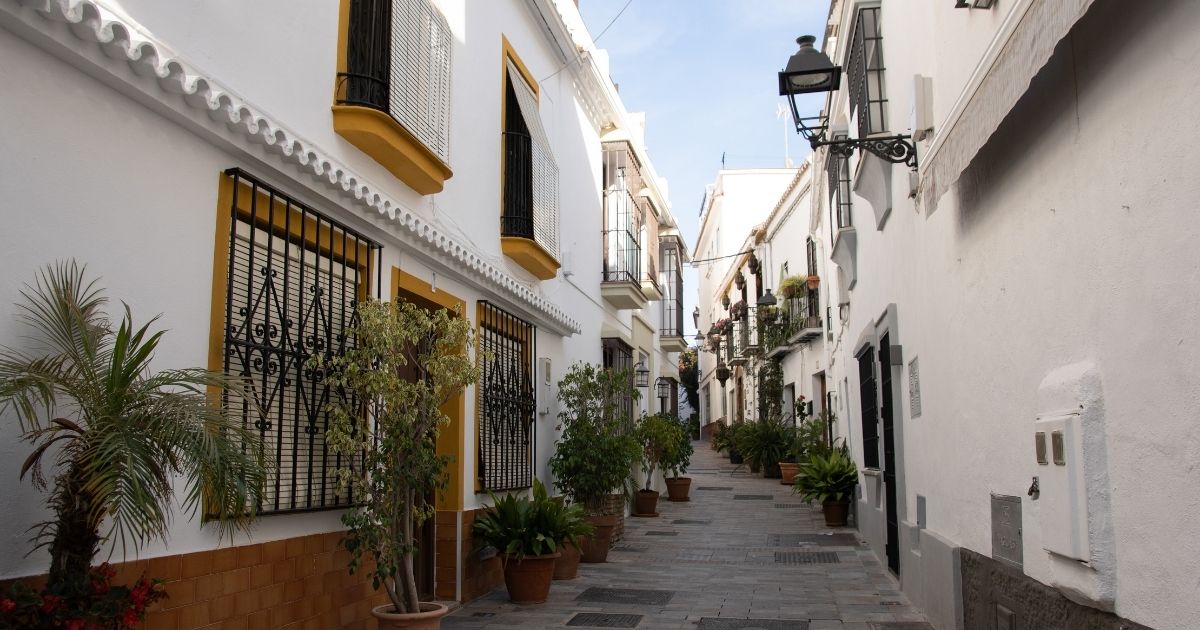
By 28 December, something subtle but unmistakable happens across Spain. Streets feel calmer. Offices fall silent. Even busy coastal towns seem to pause. For newcomers, the lull between Christmas and New Year can feel confusing — shops open unpredictably, emails go unanswered, and time itself appears to stretch.
This is Spain’s festive in-between: a cultural slowdown rooted not in laziness, but in tradition, family rhythm and a different relationship with time.
Christmas isn’t the end of the story
In many countries, Christmas Day marks the peak of the festive season. In Spain, it is only the opening act. The real climax arrives later, with Nochevieja and, most importantly, Reyes Magos on 6 January.
That long arc shapes everything. There is little urgency to “return to normal” on 27 December because, culturally, the celebrations are still unfolding. Life doesn’t restart. It hovers.
Workplaces slow — but rarely fully close
Unlike August, Spain does not shut down entirely at Christmas. Instead, it thins out. Many offices operate with skeleton staff. Decision-makers are away. Replies are postponed until “after Reyes”.
This creates the illusion of inactivity, especially for foreign residents used to strict holiday blocks. In reality, work continues — just at a gentler pace, with priorities quietly deferred.
The family days nobody advertises
The days between Christmas and New Year are deeply domestic. Families gather again, often without the formality of Christmas Eve. Meals are simpler. Visits are longer. Time is deliberately unstructured.
Children are home from school. Grandparents are visited. Afternoons disappear into coffee, card games and leftover turrón. It is not a holiday designed for productivity.
Why shops feel oddly unpredictable
Supermarkets remain open, but some with reduced hours. Independent shops may close without warning. Hardware stores, banks and professional services often shut for several days at a time.
This unpredictability catches many expats out. Yet for locals, it is understood. These are not working days in the conventional sense. They are breathing days.
The streets empty — by design
One of the most noticeable changes is how quiet public spaces become. Traffic eases. City centres are empty during the afternoon. Even tourist areas lose their edge.
People are at home. Or at relatives’ houses. Or nowhere in particular. Spain’s social life has temporarily moved indoors.
28 December: the day Spain doesn’t take seriously
The stillness of these in-between days is broken, briefly, by something entirely different. 28 December is Día de los Santos Inocentes, Spain’s version of April Fool’s Day — although its origins are far darker.
Traditionally linked to the biblical story of King Herod’s massacre of innocent children, the day has evolved into one of harmless pranks, mock announcements and deliberately false headlines. Newspapers publish tongue-in-cheek stories. Radio shows slip in fake interviews. Friends quietly set each other up for jokes that only become clear hours later.
For newcomers, it can be disorientating. A headline seems alarming. A message feels official. Then comes the reveal: Inocente, inocente.
The timing matters. This is not accidental chaos. Santos Inocentes sits squarely within Spain’s festive pause — a day that underlines how loosely reality is held during this week. Serious decisions are postponed. Certainty is suspended. Even the news, briefly, plays along.
In a period already defined by slowed routines and half-paused systems, today becomes the most Spanish day of all: light-hearted, communal, and quietly reminding everyone not to take life — or the calendar — too seriously.
A pause before the New Year rush
The calm is deceptive. From 30 December onwards, momentum returns quickly. New Year’s Eve preparations begin. Supermarkets refill. Restaurants reopen. Energy builds toward midnight on 31 December — and then again toward 5 January.
The stillness of 28 December exists precisely because what comes next is busy.
Why this confuses newcomers
For many foreign residents, the in-between days feel inefficient. Things are half-open. Systems don’t respond. Plans stall.
But this period reveals something fundamental about Spanish life: time is not always meant to be optimised. Some days exist simply to be lived through, slowly.
How locals really use these days
There is no pressure to be productive. No guilt about doing less. The focus is on presence rather than progress.
It is when people walk more. Talk longer. Sleep later. The calendar loosens its grip.
Understanding the rhythm makes all the difference
Once you understand that Christmas in Spain stretches until Reyes, the quiet days make sense. They are not empty. They are transitional — a cultural exhale between celebration and renewal.
For those willing to lean into it, Spain’s festive pause can feel less like an inconvenience and more like an invitation.
Before the country wakes again
By early January, desks will refill, inboxes will clear, and routines will return. But for a few precious days at the end of December, Spain chooses stillness.
And that, in itself, is part of the celebration.