 Lorraine Williamson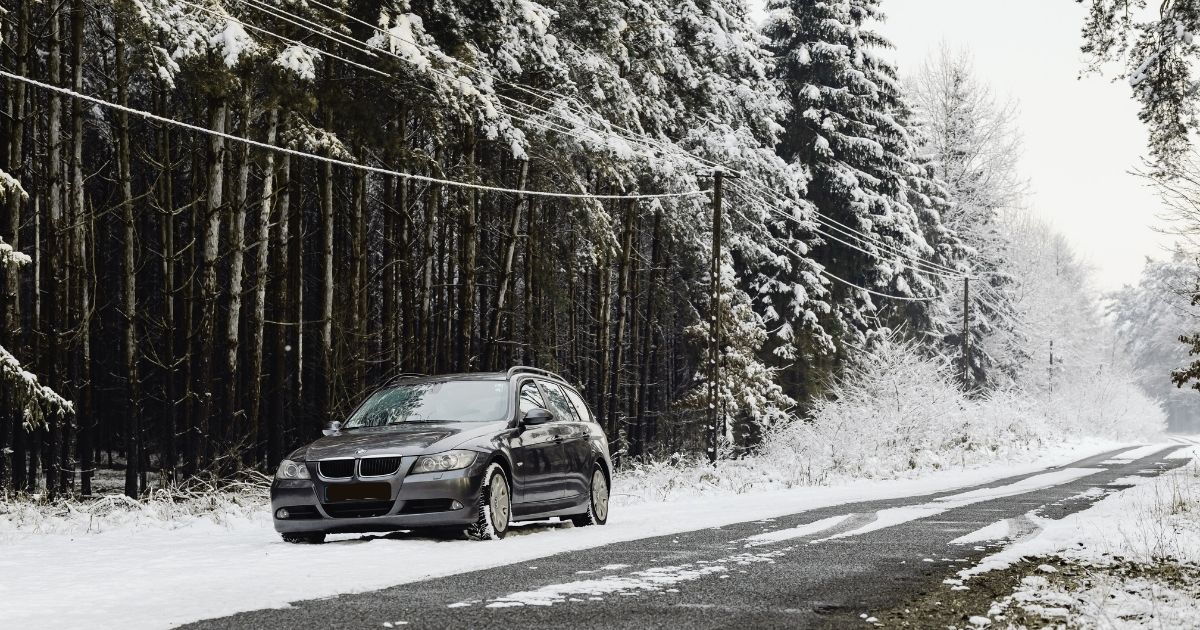
Coldest Christmas Eve in Spain isn’t just a catchy headline this year. Spain’s state weather agency, AEMET, says 24 and 25 December 2025 are shaping up to be the coldest Christmas Eve and Christmas Day nationwide since 2010.
The shift is sharp because much of December has been milder than the 1991–2020 average. In the final stretch, that flips: colder air settles in, nights bite harder, and the early mornings bring a proper winter feel across wide areas.
Will Spain get a “white Christmas”?
If you’re hoping for snow on Christmas Eve, the most reliable chances are in the mountains. Forecasts point to snow falling mainly above around 1,000 metres, with some northern areas potentially seeing snow at lower levels at times.
That could deliver picture-postcard scenes in the higher parts of the north and interior. It can also turn routine journeys into slow ones, particularly on smaller roads where gritting and clearing can lag behind the main routes.
Where the rain is expected to land
Not everywhere will be dry and frosty. AEMET-linked forecasts point to rain on parts of the Alborán coast and across the Balearic Islands, with wet weather also pushing into other eastern and northern areas at points.
Along the Cantabrian side and northern Galicia, precipitation has been flagged as more persistent during the run-up, while the Mediterranean side and islands keep a higher chance of showers into the festive week.
Daytime cold, harder nights, and the real risk on the roads
Daytime temperatures may lift a little in sunnier pockets, but this is not a gentle coastal Christmas. AEMET has suggested that on Christmas Day a dozen mainland provincial capitals (including Madrid) may not get above 5°C, with some places lower.
The bigger hazard is what happens before breakfast: frost, fog and black ice. Spain’s traffic authorities have been urging caution, and reports have already pointed to disruption on secondary roads in parts of the north and interior due to snow and winter conditions.
A few sensible basics if you’re travelling:
Check conditions before setting off, especially if your route includes mountain passes or inland plateaus.
Slow down early on shaded stretches where ice lingers even when the sun is out.
If you’re driving into higher ground, carry chains where required and don’t rely on mobile signal.
Why it feels unusual — and why AEMET says it may be rarer in future
AEMET has also made a bigger point behind the forecast: Christmas weeks are warmer now than they were decades ago. The agency notes the first week of Christmas is around 2.1°C warmer than the mid-20th century, and argues Christmas cold snaps like this may become less frequent over time. Cadena SER+1
That’s what makes this year stand out. A wintry Christmas still happens — but it increasingly arrives as a sharp exception, not the norm.
What happens after Christmas Day?
The cold pattern doesn’t look like it will disappear overnight. Forecasts suggest the air stays chilly and changeable, with the north and east most likely to keep seeing unsettled conditions at times, while coasts may be slightly milder but still below seasonal expectations.
As ever with late-December weather, the detail will keep shifting. If you’re travelling, the safest plan is to treat forecasts as “live” right up to departure.
The Christmas takeaway for travellers and residents
Coldest Christmas Eve in Spain will be felt less in festive photos and more in the small practicalities: the extra layer you didn’t think you’d need on the coast, the icy patch on a rural lane, the fog bank that arrives out of nowhere. This is winter Spain in full voice — beautiful in the mountains, awkward on the roads, and a reminder that the country’s weather still has range.
Sources: El Periodico, EFE Noticias, EuroNews, Cadena SER