 Lorraine Williamson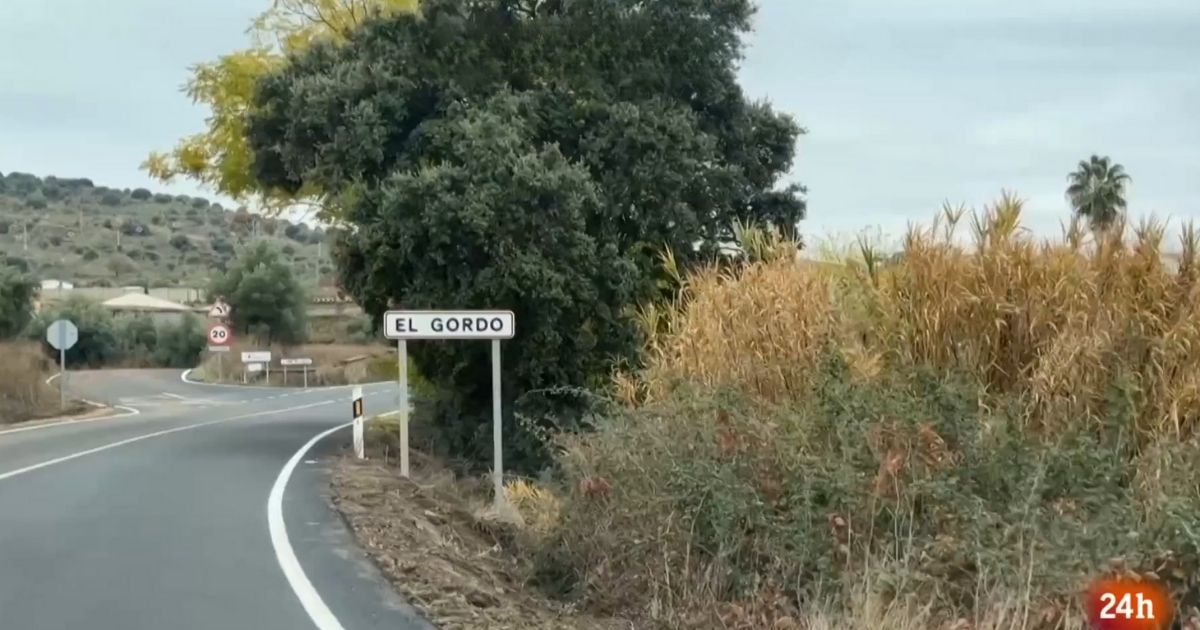
On 22 December, Spain collectively holds its breath for the Christmas lottery draw. The country calls the top prize El Gordo — “the Fat One” — and the name alone is enough to set off a national daydream. But in the province of Cáceres, El Gordo is also a real village, with real neighbours, real routines, and a December identity it never asked for.
For most of the year, it’s the sort of place you might pass without noticing. In the final weeks before Christmas, it turns into a small-stage backdrop for a very Spanish mix of superstition, humour and hope — the kind that makes people stop for a coffee, take a photo by the sign, and buy a lottery ticket “just in case”.
A village that feels like a typo
El Gordo sits in the northeast corner of Extremadura, in Cáceres province, with a population of 363 people. Geography adds to the confusion: to reach it by road, you typically pass through Toledo province, so newcomers can briefly believe they’ve taken a wrong turn into another region.
The village name has nothing to do with the lottery. Local history traces it to the surname “Gordo”, common in the area, with roots linked to Ávila, long before the Christmas draw became a modern national ritual.
Water, sky and a slower Spain
What El Gordo does have is landscape. The village is hemmed in by the Valdecañas reservoir, created on the Tagus (Tajo) and now tied to irrigation, wildlife and low-key tourism. It’s the kind of wide-water setting that changes the light and quietens the day.
That same reservoir is also home to a surprising “luxury” detail for such a small municipality: the Vincci Valdecañas Golf complex on an island in the reservoir, which regularly draws weekend visitors who arrive for nature and leave with the sense they’ve discovered a Spain that doesn’t perform for anyone.
The lottery twist: there’s no official lottery shop
Here’s the detail that makes the story even more Spanish: El Gordo has no official state lottery administration. And yet, people still travel there specifically to buy a ticket associated with the village before the draw.
In practice, tickets can be sourced via local bars or cafés acting through other channels, sometimes with a small surcharge. Nobody pretends it changes the odds. That’s not really the point. The ritual is the product: to buy “in El Gordo” feels like a wink at fate, a tiny act of optimism you can fold into your wallet.
When “El Gordo” actually arrived
The village’s lottery legend isn’t purely symbolic. In 2012, the winning number for the top prize was sold in multiple places, and El Gordo (the village) was among the locations linked to the winning draw, despite the absence of an official lottery office.
Locals still talk less about the money than the mood: the way good news travels fast in a small place, and how celebration becomes communal by default. In villages like this, luck isn’t only a number. It’s who turns up, who shares, and who doesn’t get left out.
A December curiosity — and an everyday future
It’s tempting to treat El Gordo as a seasonal punchline. But it’s also a living municipality trying to do what hundreds of rural Spanish communities are doing: hold onto services, attract families, keep the place feeling viable, not just picturesque.
For newer residents — including people who have moved from elsewhere in Spain or from abroad — “winning” can mean something quieter: stability, safety, a roof they can afford, and the privilege of calm. El Gordo’s Christmas fame may be accidental. The challenge for the other eleven months is turning visibility into staying power.
Why the name still matters
The Christmas lottery sells a national story: a reset, a rescue, a year that turns. El Gordo, the village can’t promise any of that. What it offers is simpler — a place where Spain’s biggest wish gets pinned, briefly, to one small sign on the edge of a reservoir.
And maybe that’s the point. Every December, people come looking for luck. They leave reminded that luck also looks like community, routine, and somewhere that still feels like home when the headlines move on.