 Lorraine Williamson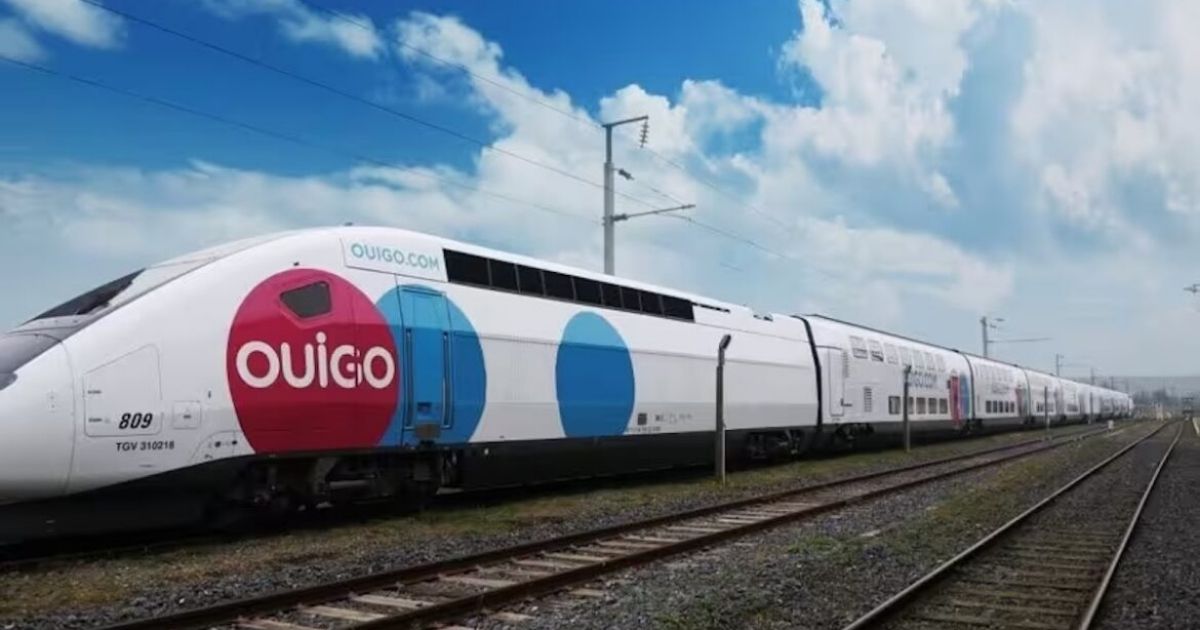
For many people in Spain, the most emotionally charged part of Christmas is not the dinner table but the journey that leads to it. Stations fill, trains sell out, and the pressure to arrive on time — cheerful, presentable, and ready for family life — begins long before the destination appears on the departures board.
This December, one high-speed rail operator is openly acknowledging that reality. Rather than focusing on faster journeys or cheaper tickets, Ouigo is experimenting with something far less conventional: emotional support on the move.
Why festive travel weighs heavier than expected
Christmas travel carries a unique psychological load. It is not simply about getting from A to B. People are returning to childhood homes, navigating unresolved family dynamics, or quietly calculating the financial strain of the season. The anticipation alone can be exhausting.
Research carried out by IPSOS Digital highlights how widespread this tension has become. Many travellers report preparing themselves mentally before setting off, with nostalgia, financial pressure and emotional absence all surfacing during the festive period. Stress does not only appear at the destination — it builds on platforms, in carriages and between stops.
Mental health professionals often describe this emotional cocktail as a form of Christmas “homecoming strain”: a clash between memories, expectations and the reality of adult life.
Ouigo has framed the initiative as a direct response to a feeling many travellers quietly recognise. In a recent post on X, the company asked whether returning home for Christmas “gets on your nerves”, before announcing #FelicesVueltas, a campaign designed to tackle what it calls the “Christmas homecoming syndrome”. The operator says the goal is not just to transport passengers home for the holidays, but to help prepare them emotionally for what awaits. To that end, Ouigo is working with practising psychologists, who offer short, accessible talks and guidance during selected journeys, with passengers able to reserve a place in advance.
Turning train time into breathing space
Ouigo’s response is deliberately low-key. On selected services, psychologists travel onboard, offering passengers simple techniques rather than formal interventions. There are no appointments, no diagnoses and no public discussions.
Instead, the advice centres on practical coping tools: slowing the breath, reframing anxious thoughts, and mentally separating the journey from the obligations waiting at the other end. For some travellers, it is the first time anyone has suggested that travel time can be restorative rather than something to endure.
The idea is not to solve Christmas stress, but to soften it — to help people step off the train feeling steadier than when they boarded.
Focusing on Spain’s most pressured routes
The initiative is running on some of Spain’s busiest high-speed corridors during December. These include key routes linking Madrid with Barcelona and Valencia, as well as heavily used lines serving Alicante, Zaragoza, Valladolid, Segovia and Tarragona.
These journeys see a sharp seasonal spike in demand, bringing crowded platforms and packed carriages. By placing psychologists on these routes, Ouigo is targeting the moments where stress tends to peak.
A different way to compete on the rails
Spain’s rail sector has changed rapidly in recent years, with operators competing fiercely on price and frequency. Ouigo’s Christmas initiative stands out precisely because it steps away from those metrics.
By addressing the emotional side of travel, the company is tapping into a broader shift in public conversation — one that recognises stress and mental wellbeing as everyday concerns, not private weaknesses.
As the festive rush gathers pace, the message is quietly radical: the journey home does not have to feel like a test of endurance. Sometimes, arriving calmer matters more than arriving fast.
Source: Europa Press