 Lorraine Williamson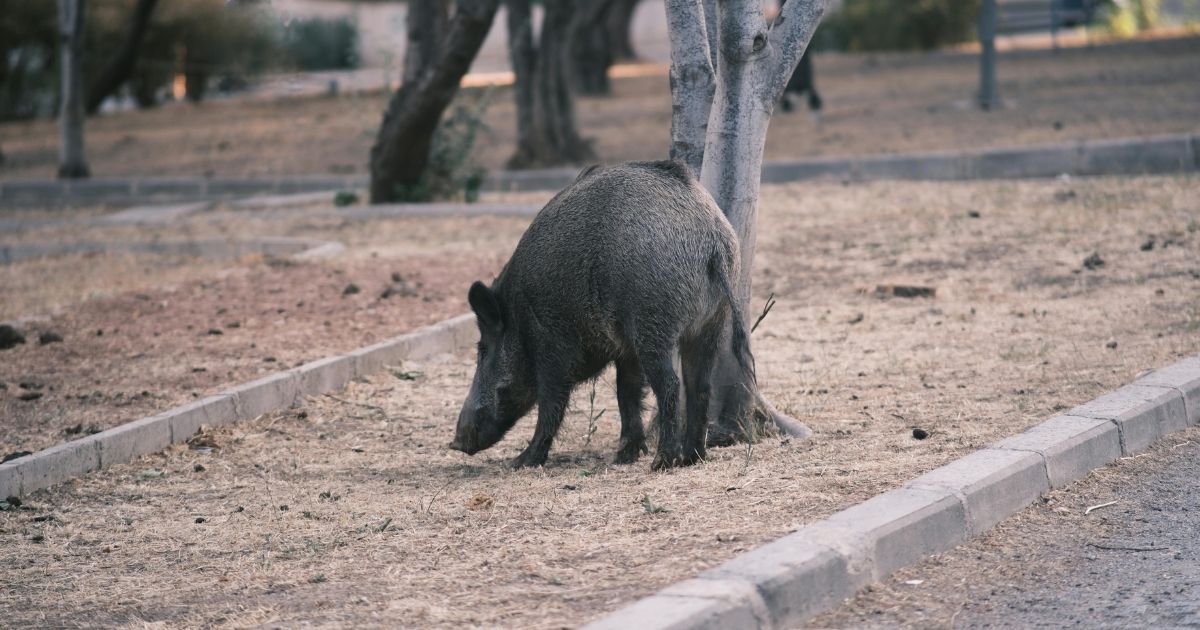
Spain’s latest African swine fever (ASF) alerts have reopened one of the country’s most sensitive rural debates: whether hunting helps curb disease or pushes it further. As new infections appear in Catalonia, Greenpeace has stepped in with a stark warning, arguing that Spain risks making the crisis worse if it attempts to shoot its way out of the problem.
The environmental group says wild boar are being cast as the villains in a much bigger structural issue — an agricultural model increasingly dependent on densely stocked livestock farms.
Catalonia’s outbreak puts 91 municipalities under restrictions
The trigger for Greenpeace’s intervention came after authorities confirmed new ASF cases in wild boar near Barcelona. Ninety-one municipalities are now under strict controls, with limits on the movement of animals, surveillance of local farms and the temporary closure of several natural areas popular with hikers.
The Ministry of Agriculture has already brought regional wildlife officials together to assess national risks. Greenpeace welcomed the monitoring effort but stressed the meeting should not be interpreted as political backing for widespread hunting.
Why hunting could worsen the spread
Rather than containing ASF, Greenpeace argues that aggressive culling can push wild boar into new territories as groups scatter to avoid disturbance. That dispersal, they say, increases the risk of viral spread both regionally and across borders.
The European Commission has long warned member states about this exact scenario. Uncoordinated hunting, Brussels notes, may break up stable populations and inadvertently give the virus more routes to travel.
Farm hygiene, not firepower, seen as the frontline defence
Greenpeace’s preferred strategy shifts the focus back to farming practices. The group wants Spain to prioritise biosecurity over rifles: disinfecting vehicles, limiting movement on and off farms, securing feed storage and keeping domestic pigs from any contact with wild animals.
They also argue that Spain should restrict mega-farms — a point echoed by several environmental organisations that see the ASF crisis as another symptom of overcrowded livestock units. Lower stocking densities, better waste management and clearer regional limits on herd size form the backbone of their proposed national strategy.
Regions divided over whether more hunting helps or harms
Spain’s autonomous regions are not acting in unison. Valencia this week announced financial incentives for hunters, despite recording no ASF cases. Others, particularly those closer to infected zones, have imposed tight controls or even temporary bans to avoid startling animals into wider roaming.
These contrasts have fuelled tension among hunters, farmers and conservationists. Farmers remain deeply concerned about the economic consequences if the virus reaches commercial pig farms. Although holdings around Barcelona are still free of infection, export restrictions and market fears have already hit the sector.
A livestock model under pressure
ASF has become the latest flashpoint in a long-running dispute over how Spain produces its meat. Intensive farming has boomed over the past decade, but environmental groups argue that its scale now heightens vulnerability to disease — from ASF to avian flu.
For Greenpeace, the moment demands more than short-term containment. They want a structural rethink: smaller herds, more extensive land-based systems and clearer national rules on how many animals each region can sustainably support.
A pivotal moment for Spain’s response
As winter progresses and surveillance tightens, Spain faces a delicate balancing act: protect the country’s sizeable pork industry without deepening ecological or disease risks. Greenpeace’s message is unequivocal — outbreaks are better controlled through strict hygiene, careful monitoring and targeted containment, not a rush to hunt wild boar.
Whether policymakers agree will become clearer in the weeks ahead, but the debate now extends far beyond the forests of Catalonia. It reaches into the very foundations of how Spain produces food, and how it plans to safeguard that system in the future.
Sources: Europa Press, 20 Minutos