 Lorraine Williamson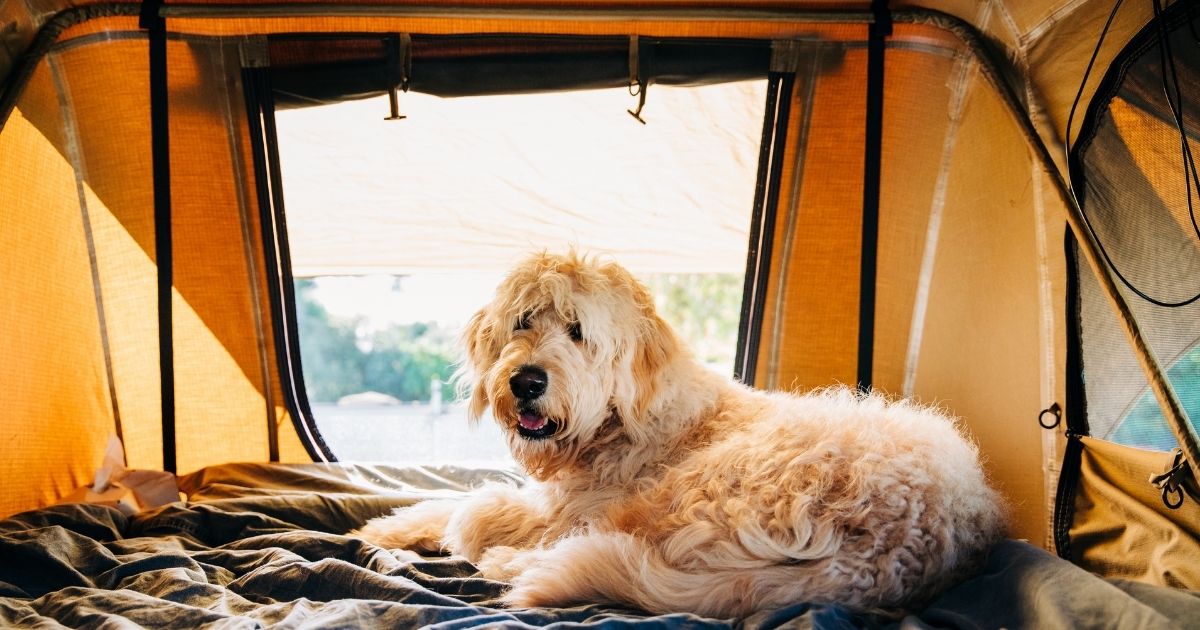
The Spanish camping sector gathered in Madrid this November for one of its most anticipated nights of the year. At the Gala de Campings de España — often described as the “Goya Awards of camping” — industry leaders, owners and seasoned campers came together to celebrate the sites shaping today’s outdoor tourism.
What emerges from this year’s honours is a snapshot of a sector that has moved far beyond the simple image of tents and torches. Spanish campsites now blend sustainability, family appeal, gastronomy and design with a growing sense of community.
Organised by the Federación Española de Campings (FEEC), the event attracted more than 200 representatives from across the country. Crucially, the awards rely not only on expert evaluation but also on campers’ own reviews, giving the winners a mix of professional recognition and grassroots approval.
A sector built on diversity and innovation
Camping in Spain has been steadily gaining ground as a year-round holiday choice. Rising demand for nature-based escapes has pushed many sites to innovate, adding better facilities, improved gastronomy and more eco-friendly practices. Occupancy rates now average close to 90%, with some regions hitting near-capacity in peak summer.
Against that backdrop, this year’s six award winners highlight the breadth of Spanish outdoor tourism. Each represents a distinct type of holiday, whether by the sea, deep in a nature reserve or in the heart of family-friendly territory.
Six standout campsites across Spain
Rather than grouping the awards by region, this year’s honours reflect the different ways people choose to experience the outdoors. From coastal breaks to tiny rural hideaways, the selection reads like a guide to Spain’s increasingly varied camping culture.
Els Pins in Barcelona took the coastal crown, applauded for its setting and ease of access to the Mediterranean. Its facilities and seaside atmosphere make it a favourite for travellers who want beaches without sacrificing comfort.
Isla de Ons in Pontevedra was named the country’s top nature retreat. Located within the Atlantic Islands National Park, it offers a rare balance of isolation and environmental protection, making it ideal for people seeking a more untouched landscape.
For small-site charm, La Trapera in Burgos received praise for its atmosphere and personal touch — a reminder that Spain’s camping scene still values simplicity done well.
Families, meanwhile, gravitated towards Bonterra in Castellón, recognised for its thoughtful facilities and community feel. Its mix of activities and services has turned it into a benchmark for family camping.
Gastronomy mattered too. Mar Menor in Murcia took the title for best campsite restaurant, showcasing how food has become part of the experience rather than an afterthought.
And reflecting the surge in pet-friendly travel, Camping Caravaning Oyambre in Cantabria was honoured for welcoming guests travelling with dogs, with dedicated services that make the whole stay easier.
A tribute to decades of dedication
Alongside the category winners, the FEEC paid special homage to Francisco José Caballé de Pol, the former president of the Barcelona Campsite Association. After more than sixty years in the industry, his contribution has shaped the evolution of modern Spanish camping. He received a handcrafted trophy by artist Esteban Bernal, symbolising the “path to excellence.”
Why these awards matter for travellers
For holidaymakers planning next year’s getaways, the awards act as a curated shortlist. They highlight sites that excel in atmosphere, service and setting, making it easier to choose between a remote island, a lively coastal plot, or a compact rural retreat.
More broadly, they underline how camping has shifted within Spain’s tourism landscape. What was once considered a budget option now competes directly with hotels and resorts, attracting both domestic travellers and visitors from across Europe.
A growing force in Spanish tourism
The FEEC’s president Ana Beriain described the gala as recognition for hundreds of entrepreneurs who have helped push the sector forward. As Spain’s interest in open-air holidays keeps rising, the award-winning campsites — from Burgos to Barcelona — offer a glimpse of where outdoor tourism is heading: more sustainable, more diverse and more attuned to what travellers want.
Source: Hostel Tur